Plastic Free Bath Salts & Body Wash: Non-Toxic, Eco-Friendly Body Care

Key Takeaways
- Plastic free bath salts and body wash help reduce single-use plastic, avoid many harsh chemicals, and still make a shower or bath feel luxurious.
- Concentrated body wash bars, solid bar formats, and low-waste bath salts can cut packaging waste by up to 90% compared with conventional plastic bottles in 2026.
- Natural body washes and bath salts made without sulfates, parabens, artificial fragrance, synthetic fragrances, and synthetic dyes are often gentler for sensitive skin.
- You’ll learn how to choose eco friendly, non toxic body care, read labels, avoid hidden plastic, and build a simple routine in your own home.
- In a hurry? Skip to “How To Switch To Plastic Free Bath Salts & Body Wash” for the step-by-step plan.
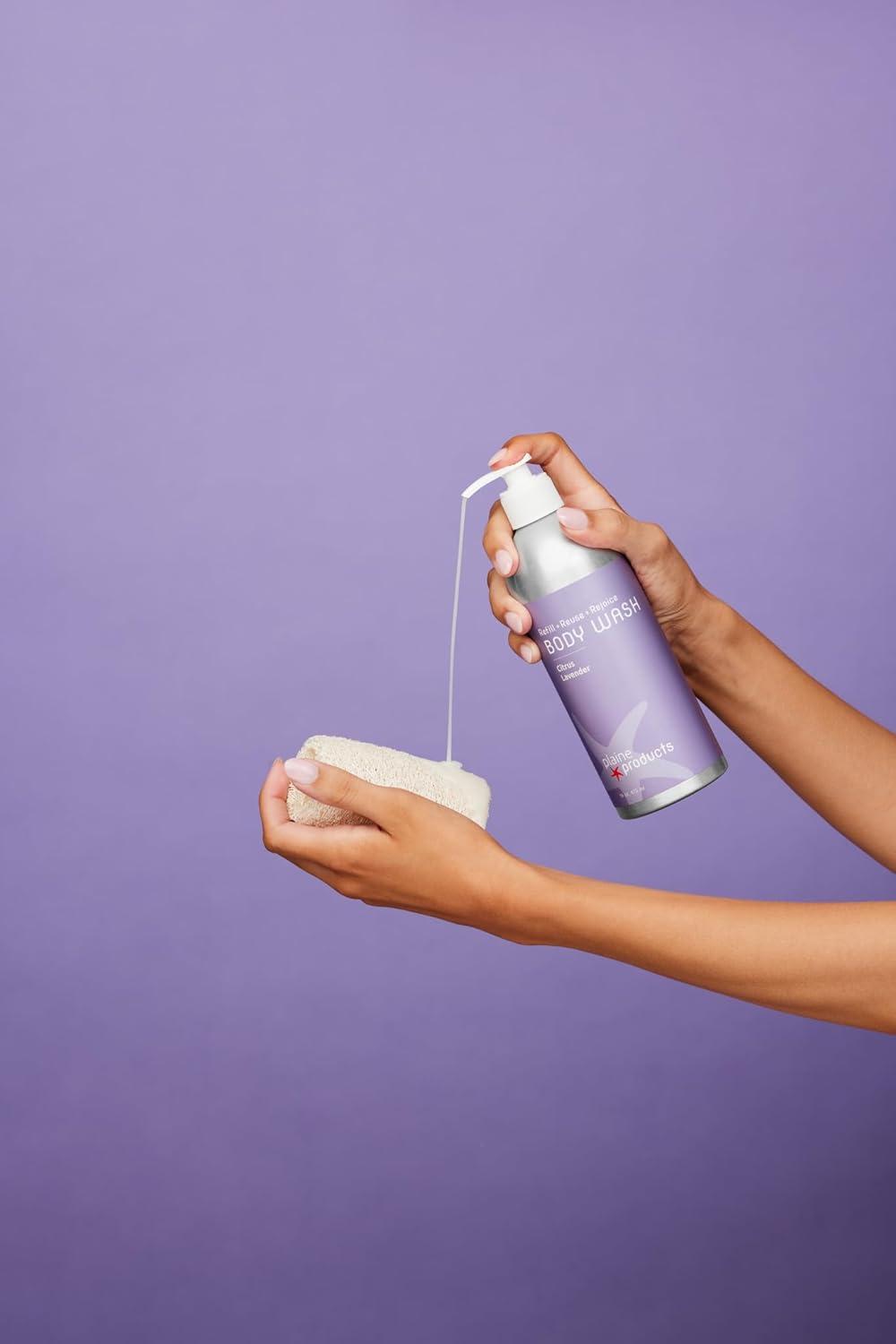
Plain Products Store lavenfer citris body wash, metal bottle
From Plastic Bottles To Plastic Free Body Care
A typical 2026 shower shelf can look crowded: half-empty plastic bottles, a shower gel with a pump, a scrub in a tub, and a liquid body wash you forgot you owned. The plastic free version is simpler: one body wash bar, one body soap bar, and a glass jar of bath salts.
“Plastic free” here means no plastic in the primary packaging, plus minimal plastic in shipping: cardboard, paper tape, plant-based inks, glass jars, aluminum, or certified compostable paper.
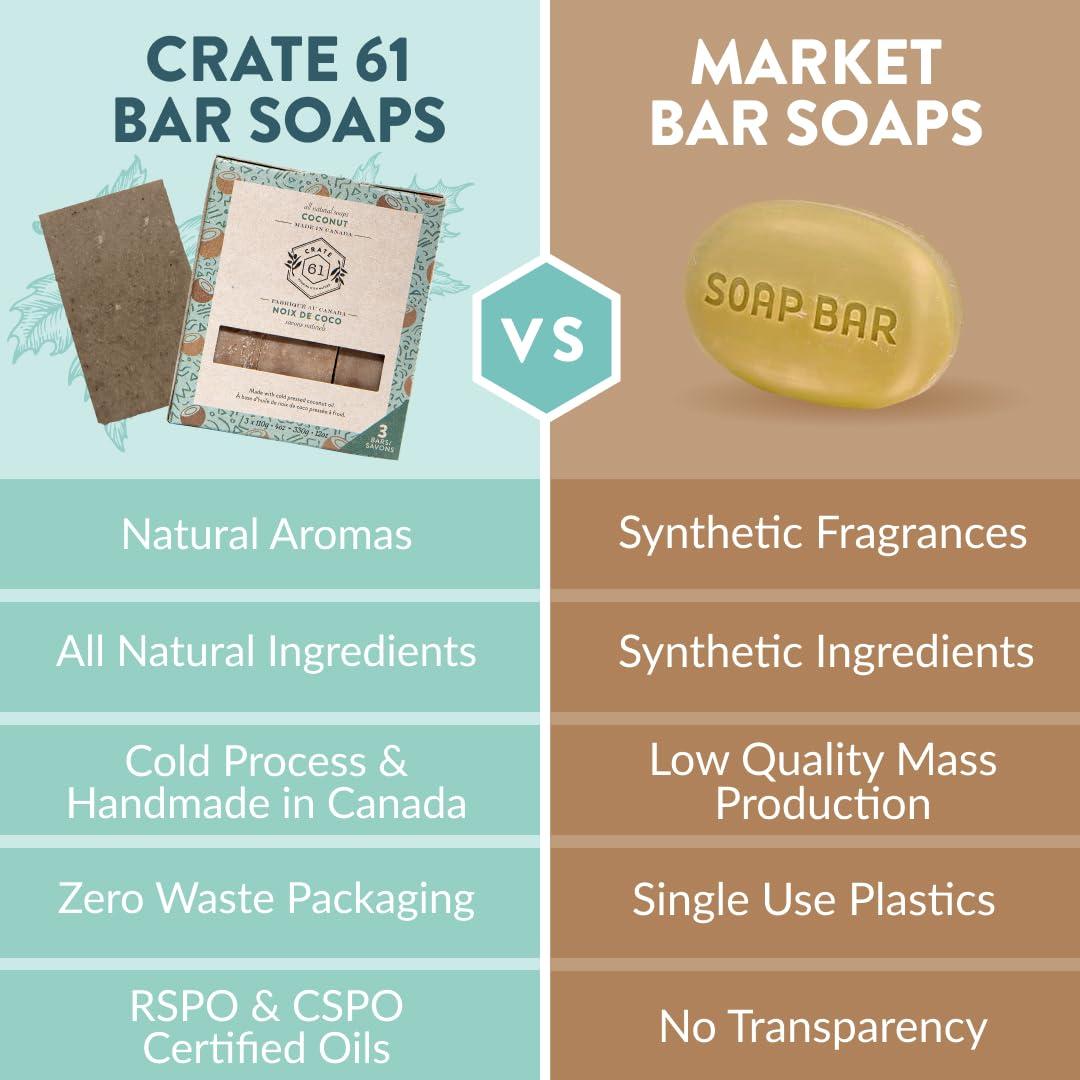
Crate 61 Organics. handmade body wash bars
Over 1 billion bottles of body wash are emptied and enter the garbage and recycling system each year, highlighting the wastefulness of conventional body wash packaging. Over 1 billion bottles of body wash are emptied and enter the garbage and recycling system each year, highlighting the wastefulness of traditional packaging. Over 1 billion bottles of body wash are emptied and enter the garbage and recycling system each year, highlighting the significant waste generated by plastic packaging.
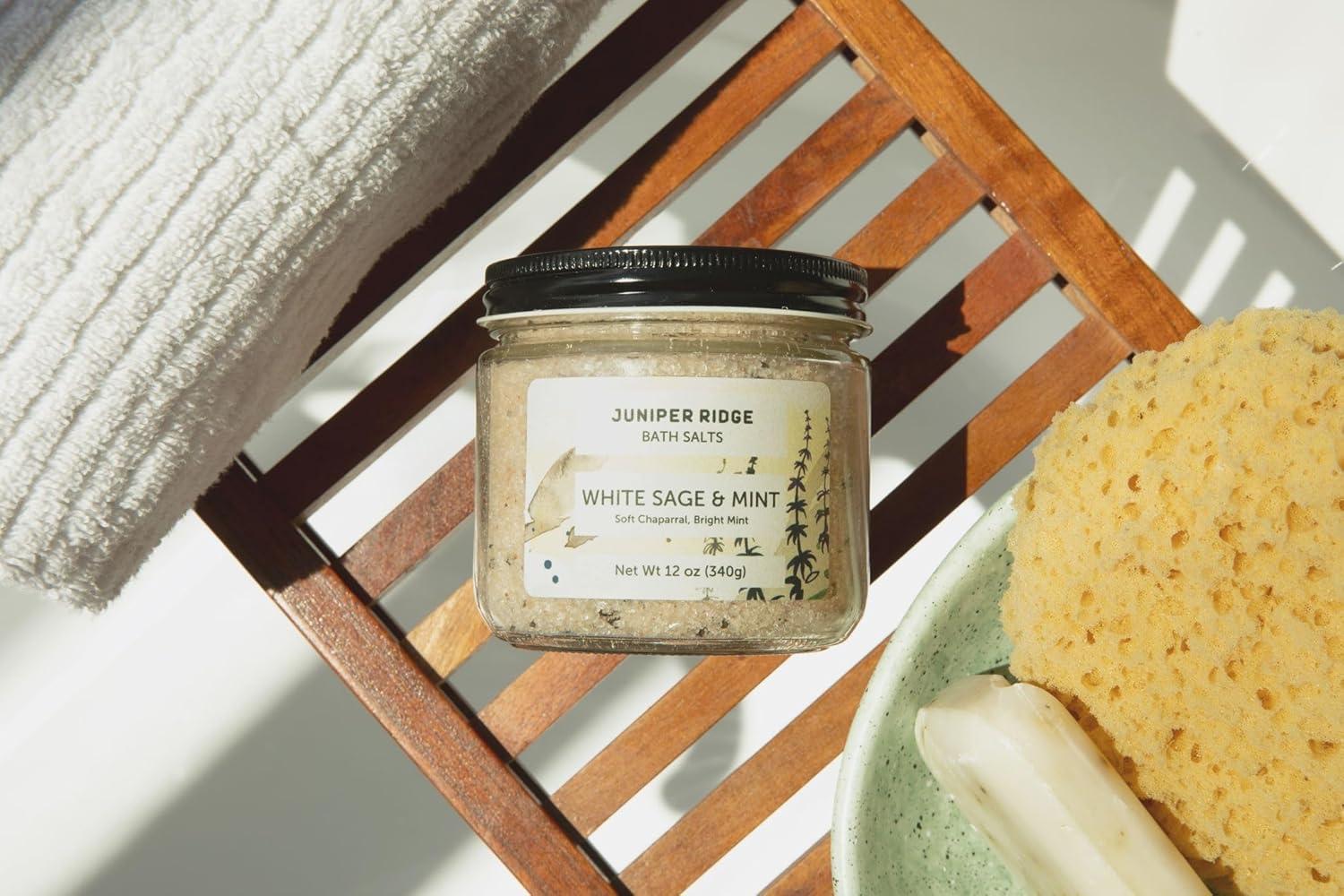
JUNIPE RRIDGE Store white sage and wild mint bath salt, glass jar
Typical liquid body washes can be up to 80% water, which means brands ship water in single use plastic. Only 5% of recycled plastic actually gets recycled, indicating a major flaw in the recycling system and the need for more sustainable packaging solutions. Plastic is made from non-renewable resources that take hundreds, if not thousands, of years to break down, contributing to long-term environmental pollution.
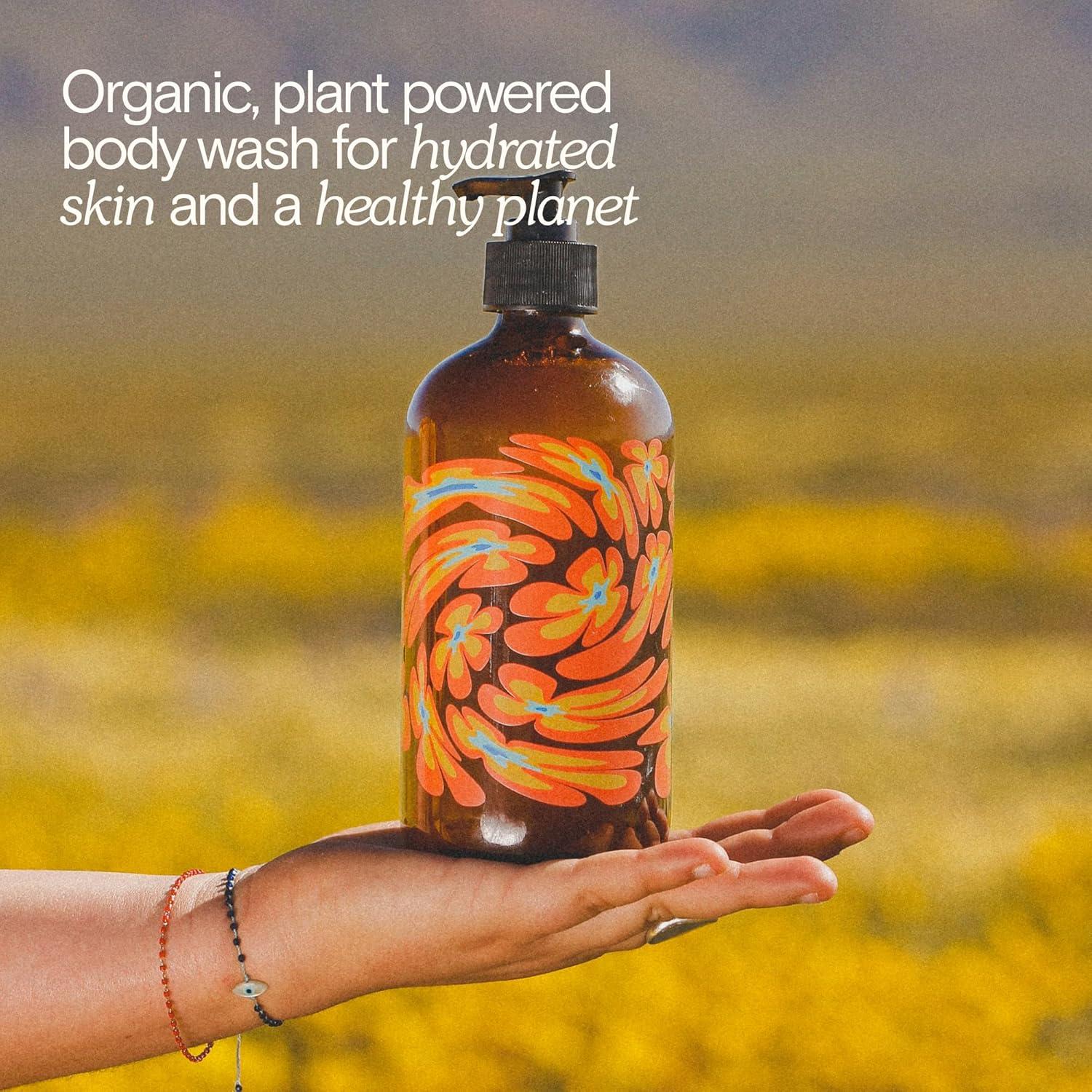
Bathing Culture Store glass bottle
Using plastic-free bath salts and body washes reduces exposure to toxic chemicals and single-use plastic waste. Plastic-free bath salts and body washes prevent microplastic pollution and reduce landfill waste. Transitioning to plastic-free bath products reduces single-use waste.

A Short History Of Soap, Body Wash & Packaging
Bar soap began as a simple mix of fats and lye. Traditional handmade soap still uses oils and sodium hydroxide in saponification, then cures into a solid body soap.
A quick timeline:
- 1800s: body soap and bar soap were common, usually made from animal fats or plant oils.
- Post–World War II: petrochemicals made liquid soap, detergents, and synthetic foaming agents cheaper.
- 1990s–2000s: brightly colored shower gel, rich foam claims, and highly scented liquid body products filled store shelves.
- Early 2000s: microplastic beads appeared in scrubs, later phased out in many places.
- 2018–2026: zero waste, low waste, refill, and body wash bar formats moved mainstream.

URTHY Store bath salt bombs, comes wrapped in minimal plastic, but I love these!
Bar soap is typically more sustainable than liquid body wash, as it often comes in recyclable packaging and is made from plant or animal oils, requiring less energy and fewer harsh chemicals. Bar soaps are often considered more sustainable than liquid body washes because they typically come in recyclable packaging and contain fewer harsh chemicals.
What Makes A Body Wash Or Bath Salt Truly Eco Friendly?
Eco friendly body care has four parts: low-waste packaging, biodegradable formulas, fewer fossil-fuel-derived ingredients, and transparent non toxic standards.
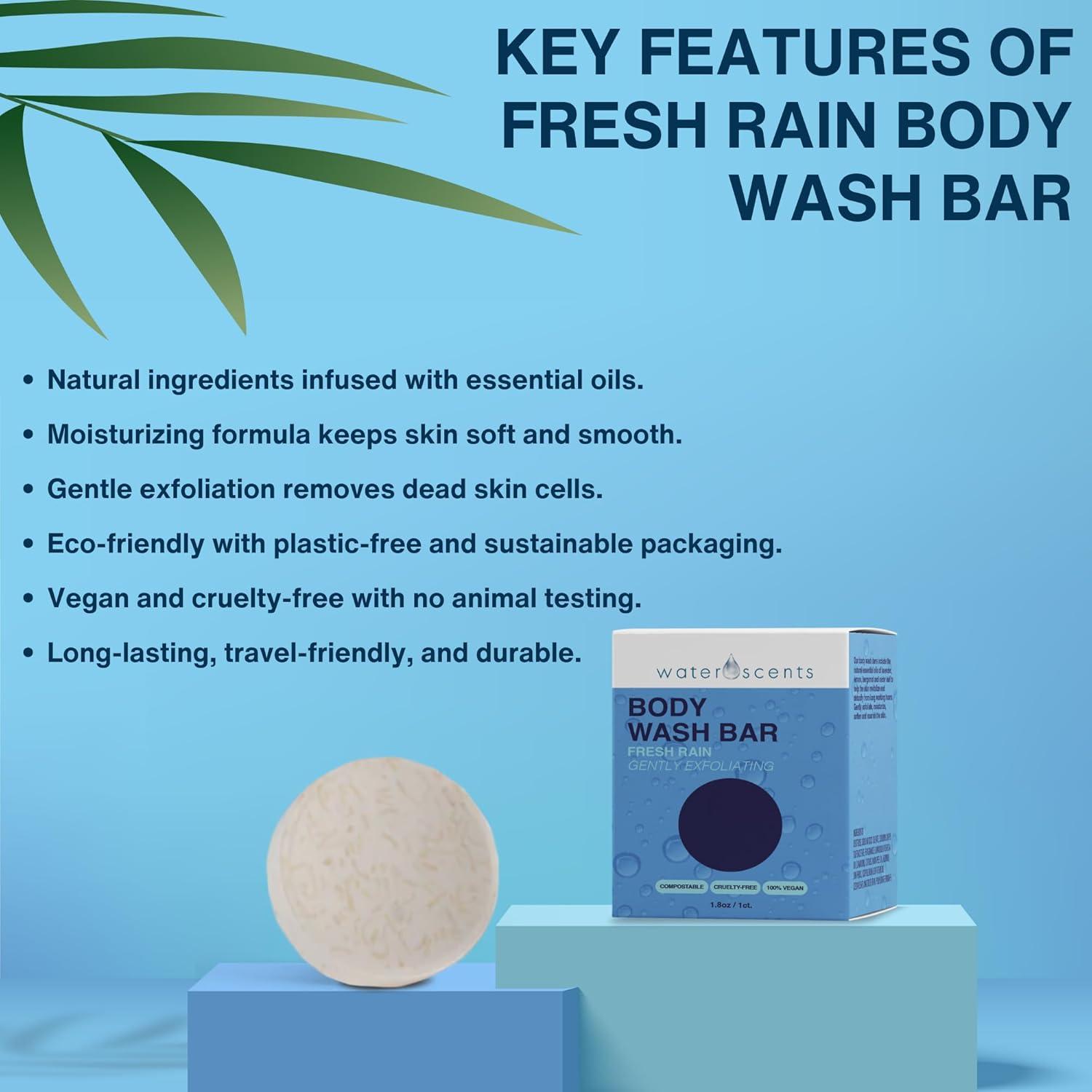
Zero waste body wash refers to body wash that produces little to no waste while using organic, natural ingredients that are biodegradable, making it healthier for both users and the planet. Zero waste body wash refers to products that produce little to no waste while using organic, natural ingredients that are biodegradable, making them healthier for both users and the planet. Zero waste body wash options produce little to no waste and often utilize biodegradable ingredients, making them healthier for both users and the planet.
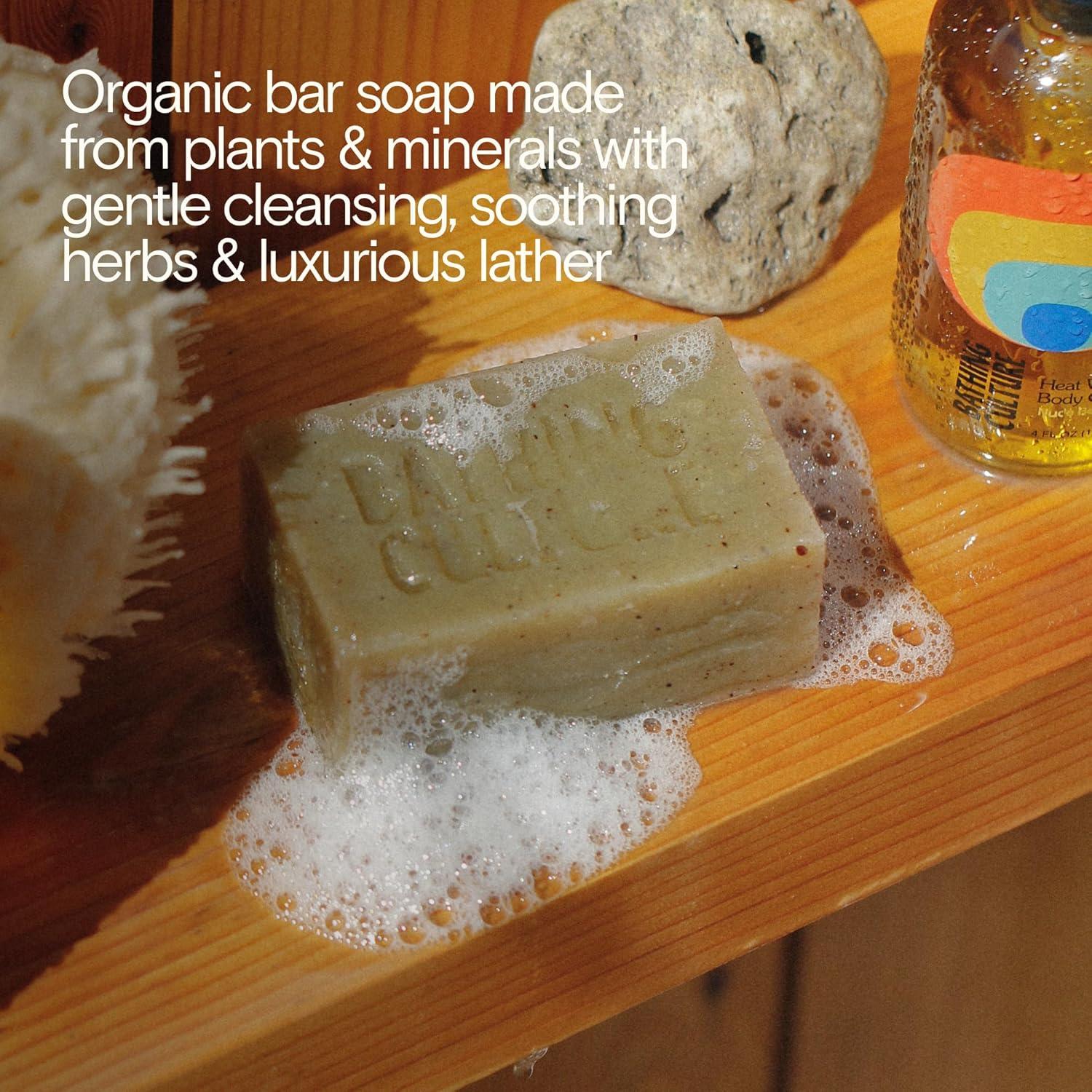
Eco-friendly body washes often utilize biodegradable ingredients and sustainable packaging, which helps reduce pollution and the carbon footprint. Eco friendly body washes may come as body wash bars, refillable liquids, aluminum bottles, or waterless powder-to-gel formulations.
Look for EWG Verified, MADE SAFE, Leaping Bunny, COSMOS, USDA Organic, cruelty free, vegan cruelty free, organic certified, or products with certified organic ingredients. Clear ingredient lists are a good sign. Vague claims are not.
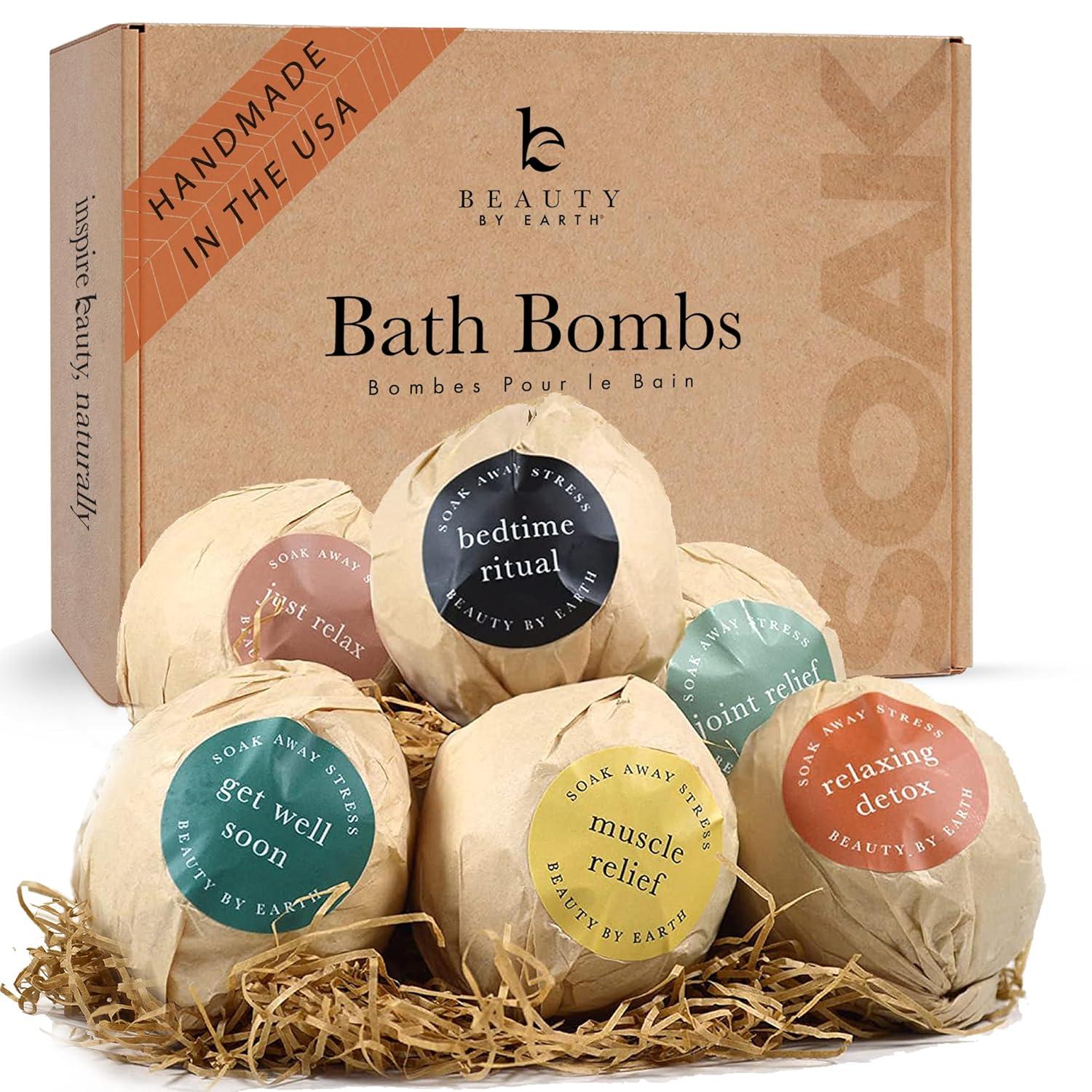
Beauty by Earth Store minimal thin plastic (I wish they would eliminate) beneath paper wrapping
Problem Ingredients Common In Conventional Soap & Body Wash
Not every synthetic ingredient is automatically bad. But conventional body wash often uses cheaper blends that can irritate the skin, weaken the skin barrier, or pollute waterways.
Plastic-free bath products typically avoid harsh chemical foaming agents, artificial dyes, parabens, and synthetic fragrances. Conventional body washes often contain synthetic liquid polymers or microplastics that contribute to pollution. Harmful ingredients commonly found in body washes include sulfates, parabens, phthalates, and synthetic fragrances, which can lead to skin irritation and other health concerns.
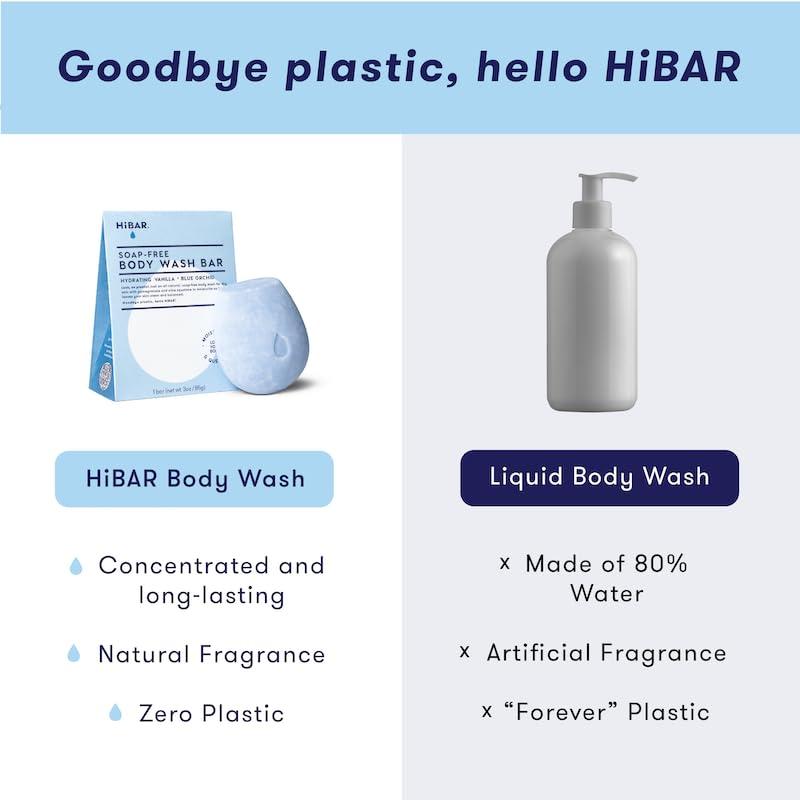
HIBAR Store. hydrating soap
Fragrance & “Parfum”
“Fragrance,” “parfum,” or even “natural fragrance” can hide dozens of chemicals. Synthetic fragrances in body washes can contain numerous undisclosed chemicals that may disrupt endocrine function and cause allergic reactions.
A vague label says: “fragrance.” A better label says: lavender essential oils, sweet orange oil, tea tree oil, or organic essential oils. If you have sensitive skin, choose fragrance free or dye free products.
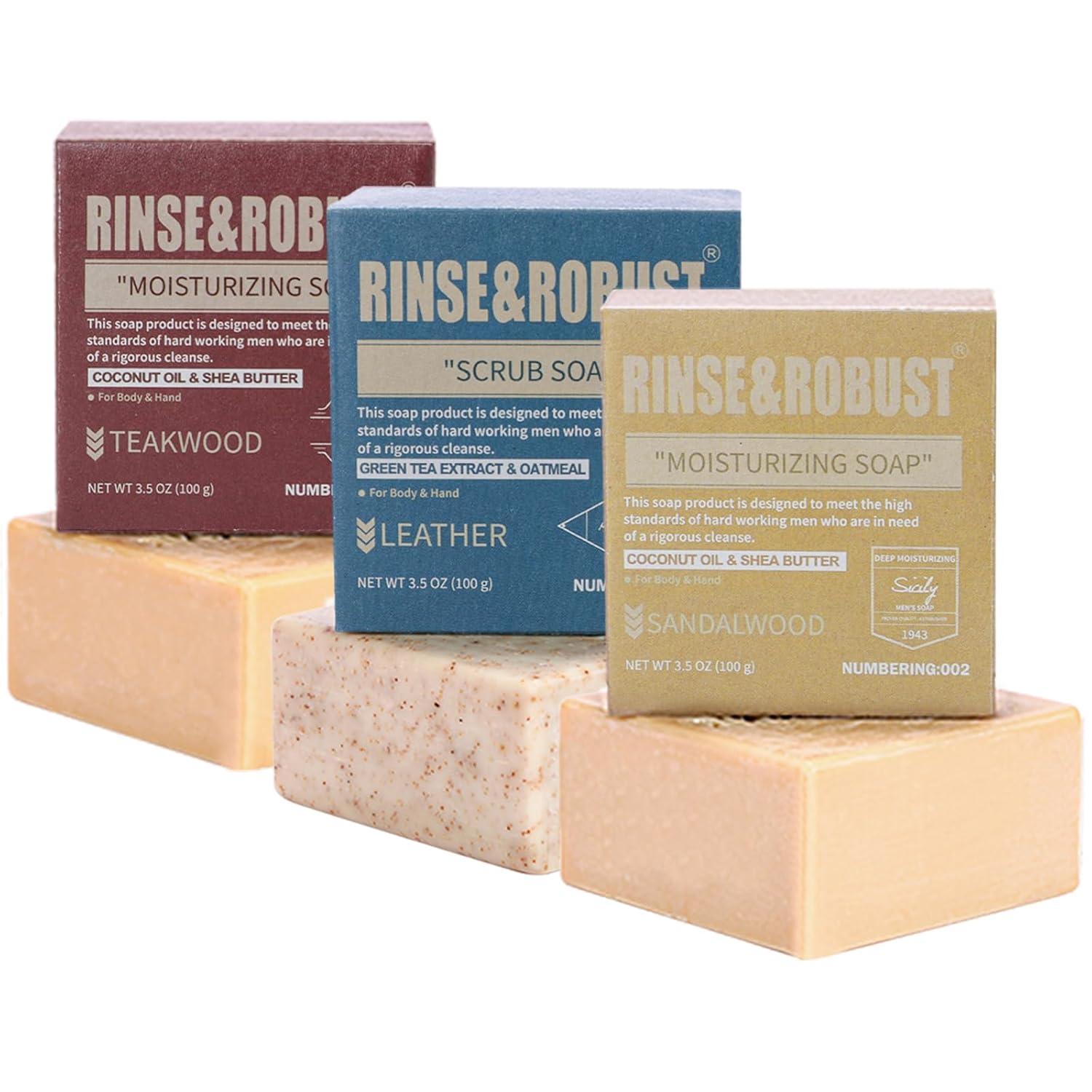
Rinse & Robust Store. formulated for men
Harsh Preservatives
Water-based cosmetic products need preservation. The issue is the preservative choice.
Watch for parabens such as methylparaben and propylparaben, formaldehyde releasers like DMDM hydantoin and quaternium-15, and MIT/CMIT. Parabens, often used as preservatives in body washes, have been linked to increased risks for breast cancer and other health issues.
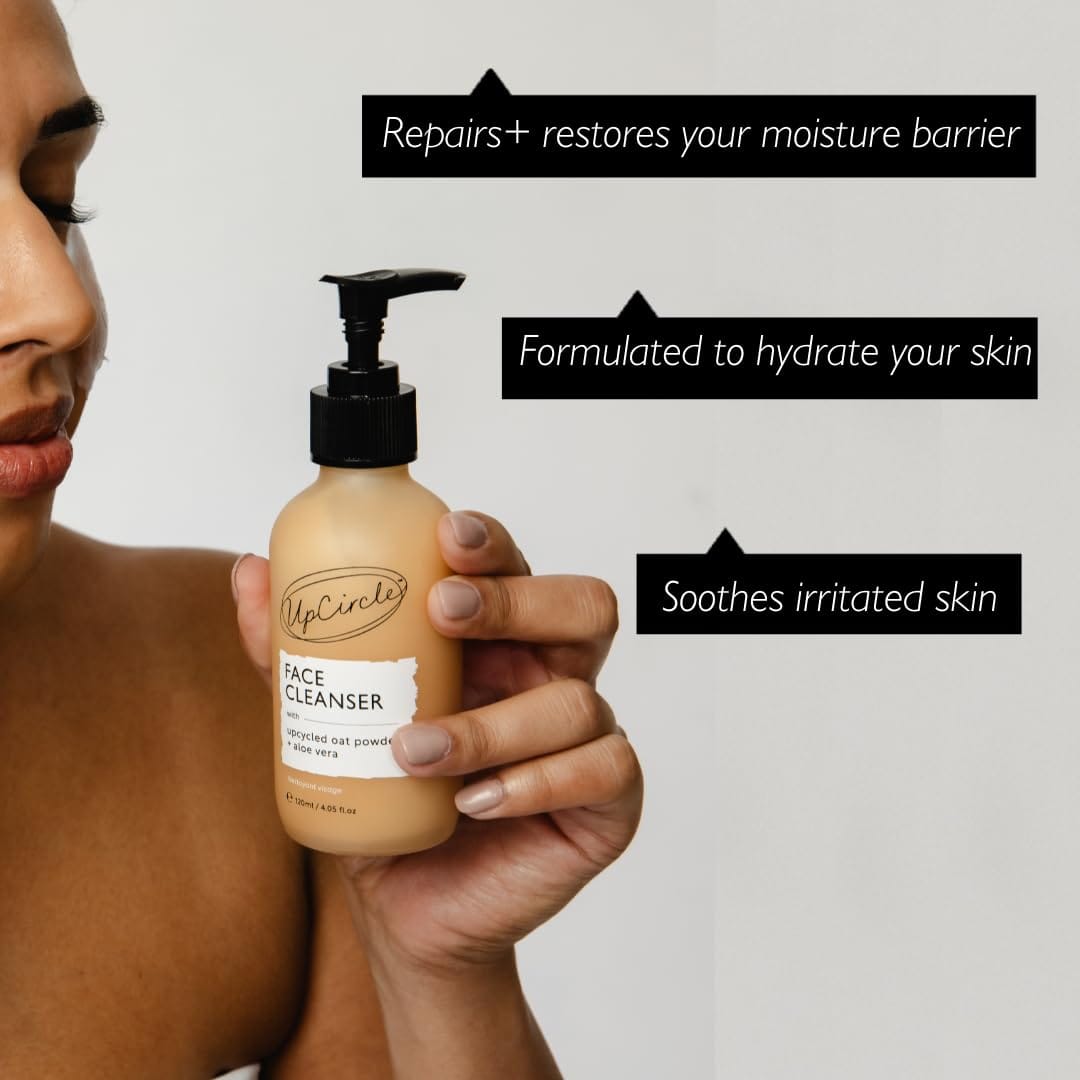
UPCIRCLE Face Cleansing Milk glass, ALL glass containers from the UPCIRCLE Store
Gentler systems can include sodium benzoate or potassium sorbate when properly formulated. Anhydrous bath salts and a body cleanser in solid form can often reduce harsh preservatives.
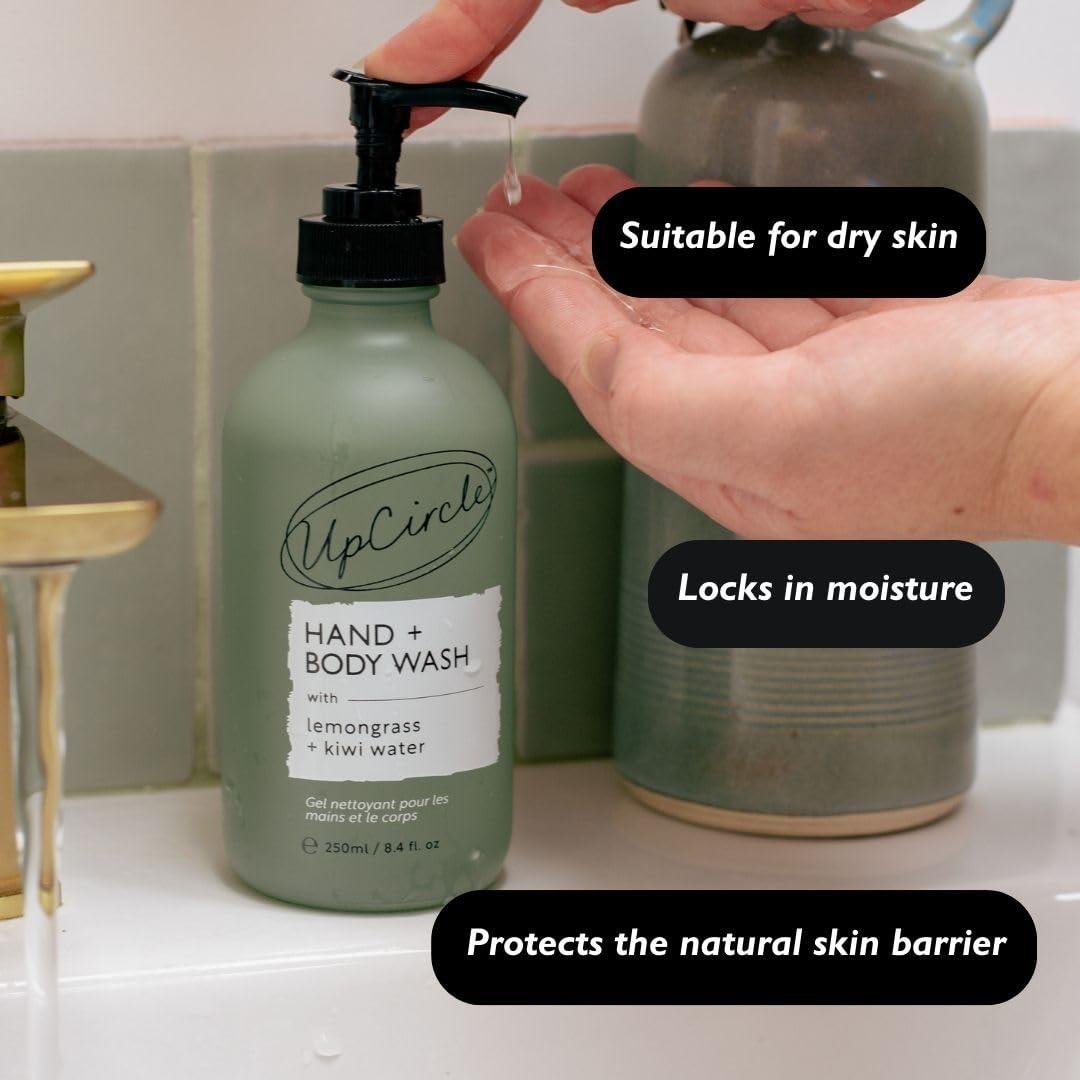
UPCICLE Store glass bottle, brand also makes a great UPCIRCLE Body Lotion
For More Plastic Free Body Lotion Brands Go Here
Sulfates & Other Harsh Surfactants
Surfactants lift sweat, sunscreen, and oil. SLS and SLES can deliver a deep clean, but they may leave skin tight and squeaky.
For eczema prone skin or dry climates, look for plant based ingredients such as sodium cocoyl isethionate, coco-glucoside, or a ph balanced formula. A good wash leaves the skin soft and comfortable, not stripped.
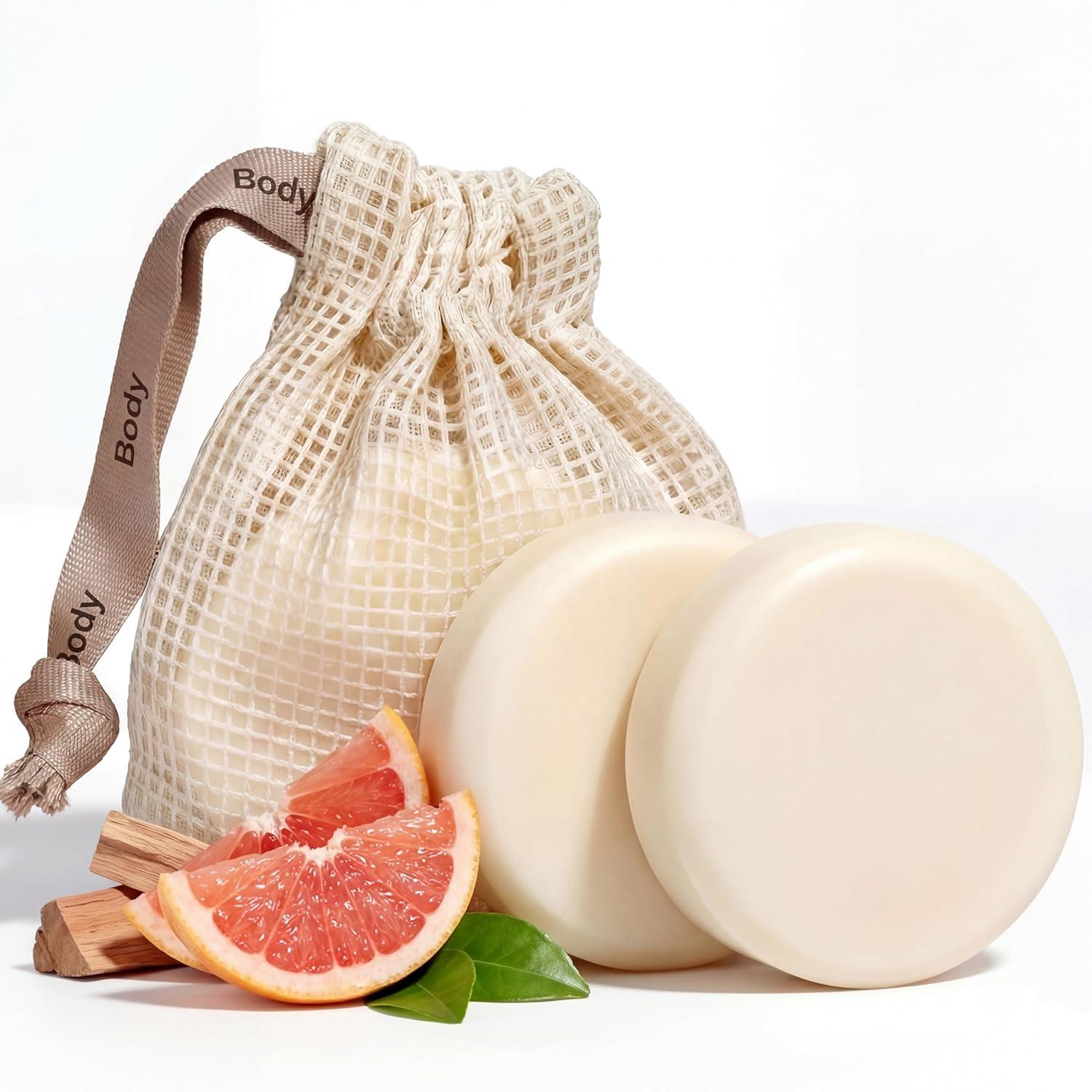
VOVE Store. plastic free 2 bar body wash set
Synthetic Dyes & Unnecessary Additives
Bright blue or neon pink shower products often use Blue 1, Red 40, or similar dyes. They do not improve cleansing.
Choose naturally tinted clay, botanicals, or dye free formulas. Your body usually needs less color, less perfume, and fewer fillers.
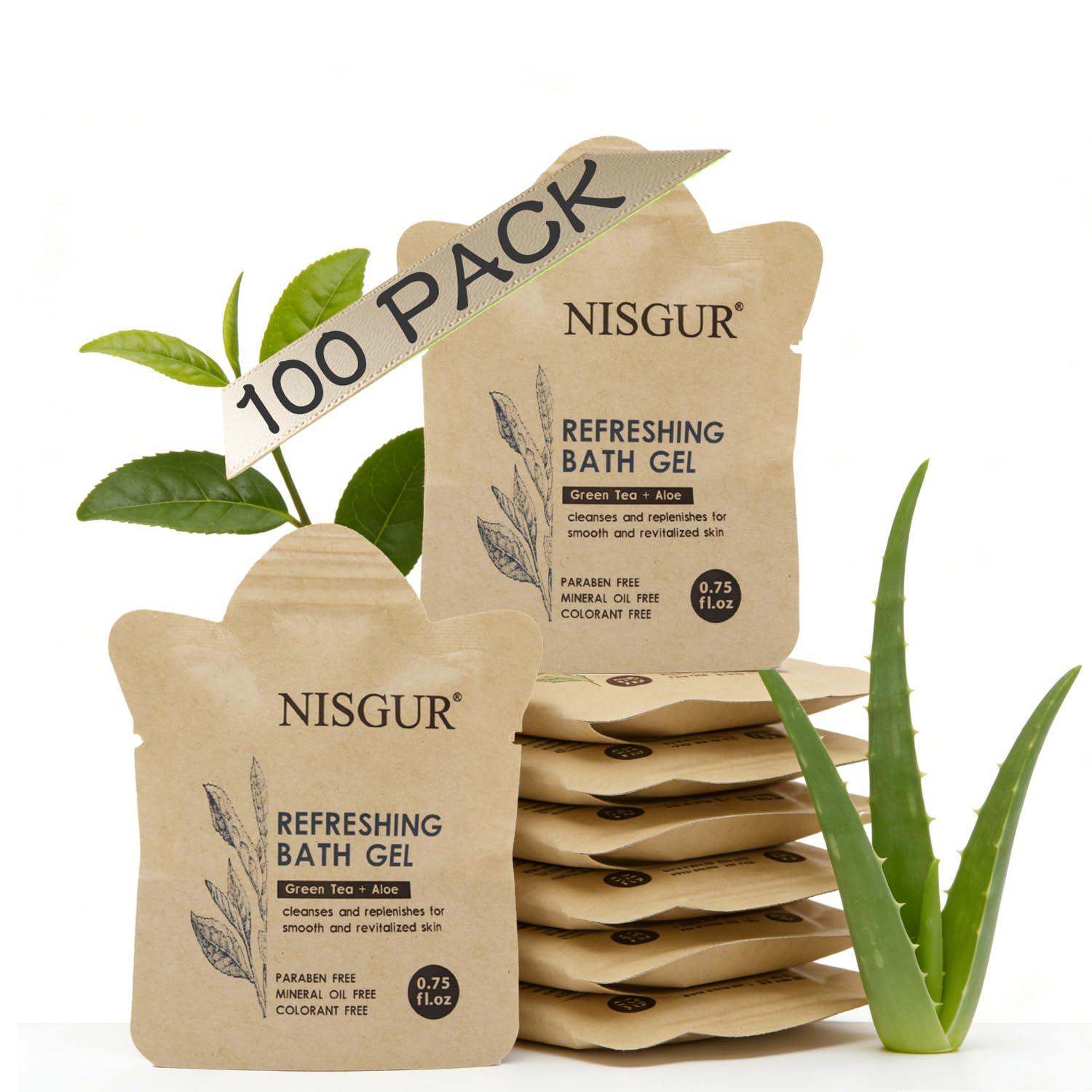
NISGUR Store. travel size or hotel pack, entirely plastic free
Why Plastic Free Formats Help: Bars, Salts & Refills
Form factor matters. A 3.5–4 oz body wash bar can replace at least one 12–16 oz bottle of liquid body wash because it is concentrated and waterless.
Using zero waste body wash can significantly reduce single-use plastic bottle waste, which typically ends up in landfills and waterways, contributing to environmental pollution. Traditional body wash bottles can take centuries to decompose, contributing to pollution in oceans and landfills.
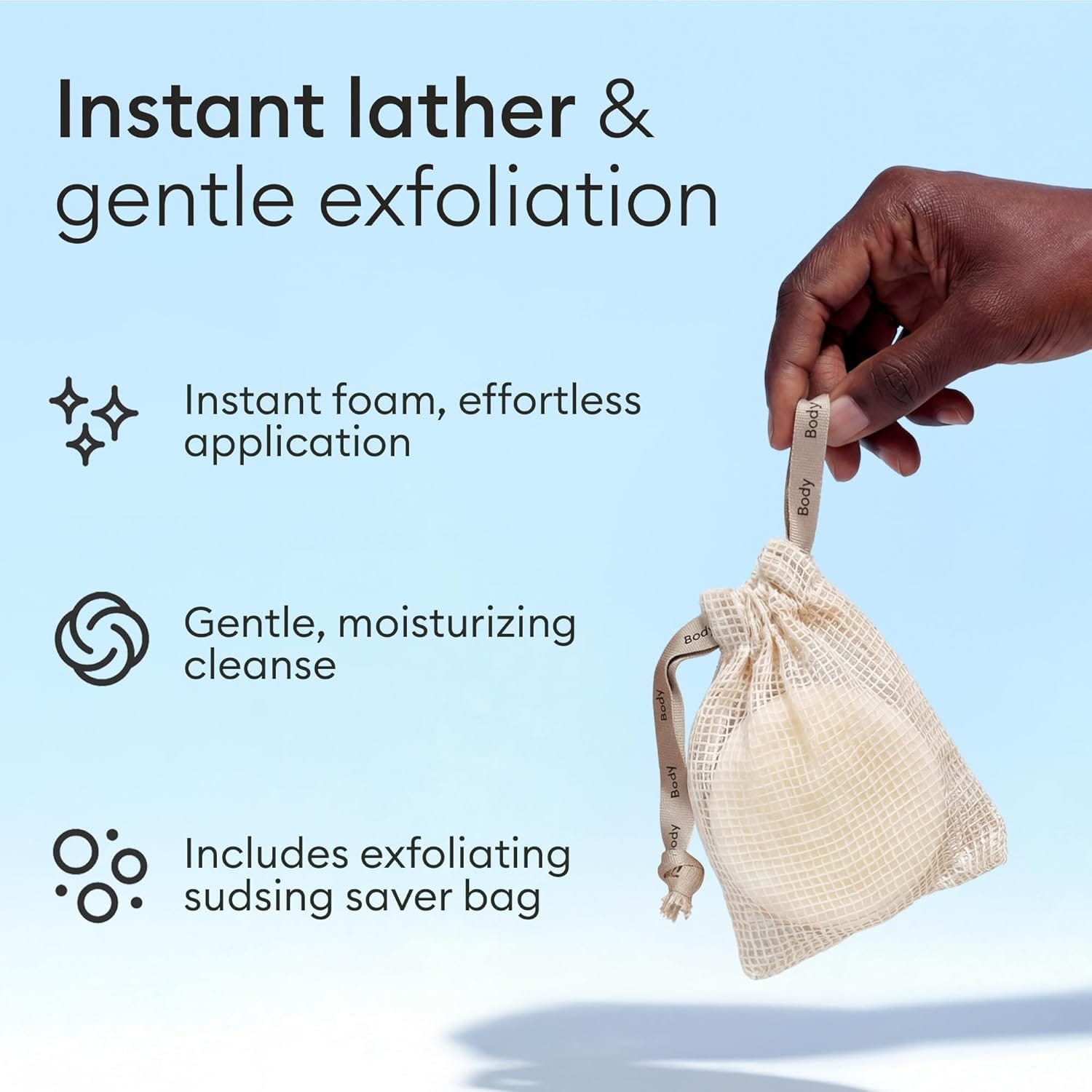
VOVE Exfoliating Body Wash Bag hydrating 2 bar set
Solid bars or powder concentrates have a reduced carbon footprint compared to traditional liquid washes. Plastic-free alternatives prioritize biodegradable, plant-based ingredients that decompose naturally. A life cycle comparison cited by the Washington Post found bar soap can require far less energy than liquid soap, especially in packaging and transport.
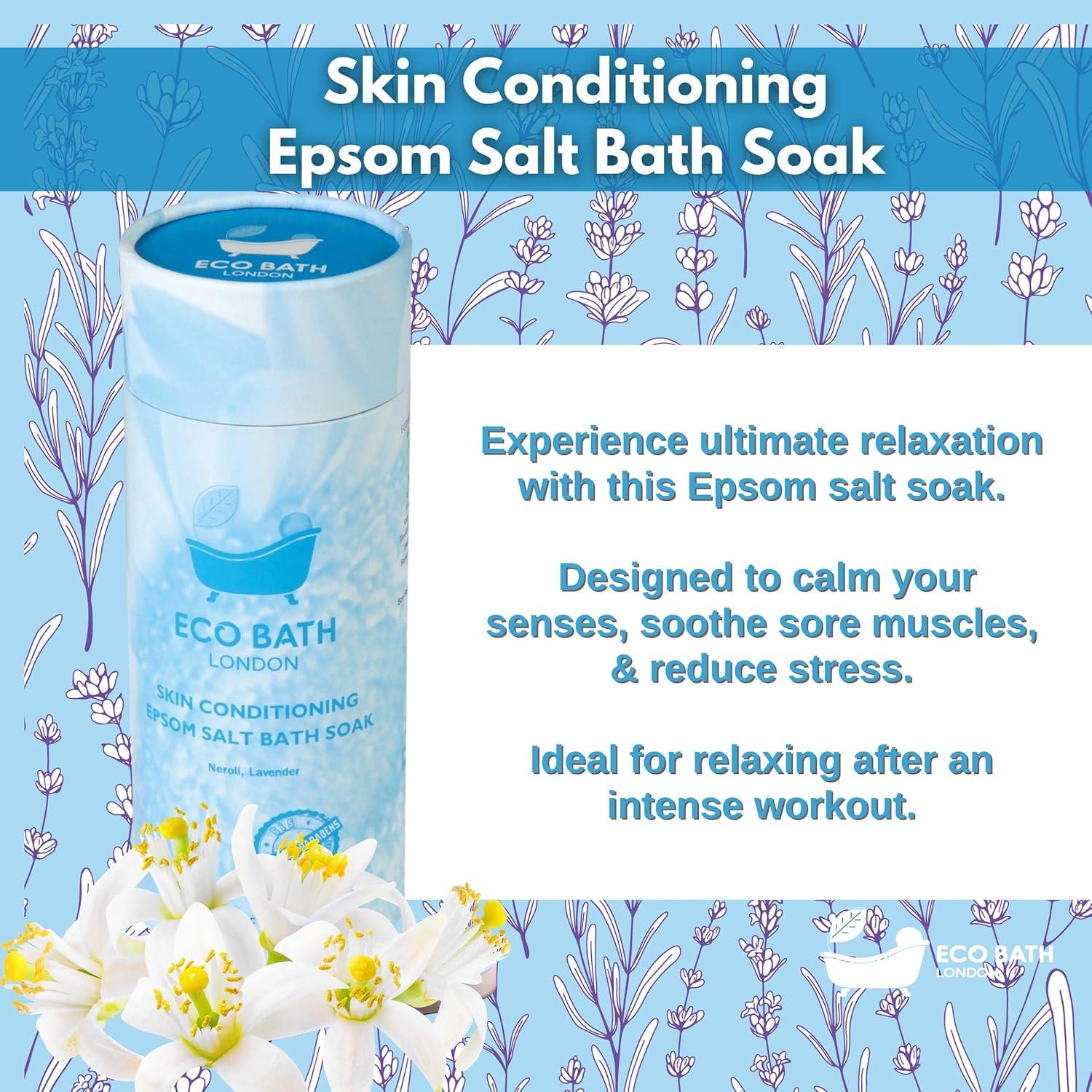
Eco Bath London one of the few that comes in a cardboard container
Quick comparison:
Format | Packaging | Best for |
|---|---|---|
Conventional body wash | Plastic bottles | Convenience, but high waste |
Plastic free body wash bar | Recyclable cardboard packaging | Daily shower, travel, rich lather |
Plastic free bath salts | Glass, metal, compostable paper | Relaxing baths, foot soaks |
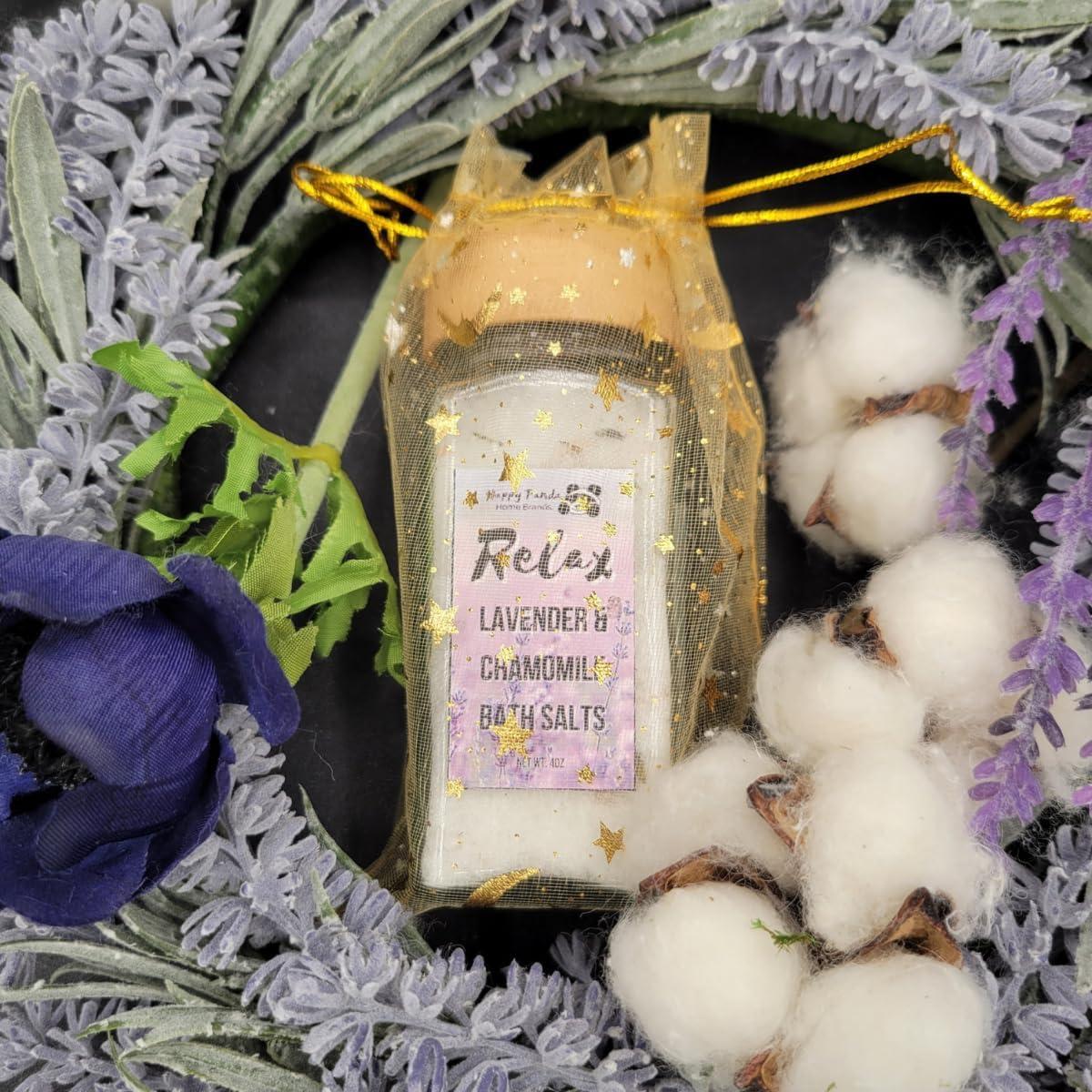
Happy Panda Home Brand. glass jar
Eco-friendly body wash bars often come in recyclable cardboard packaging, which significantly reduces single-use plastic waste compared to traditional liquid body washes. Aluminum, refillable glass, and waterless powder-to-gel formulations are alternatives that can replace plastic packaging for body washes.
Many brands use brown kraft paper bags for bath salt packaging but line them with plastic film to block moisture. Look for certified compostable paper, aluminum bottles, or glass jars in product packaging to avoid hidden plastics.
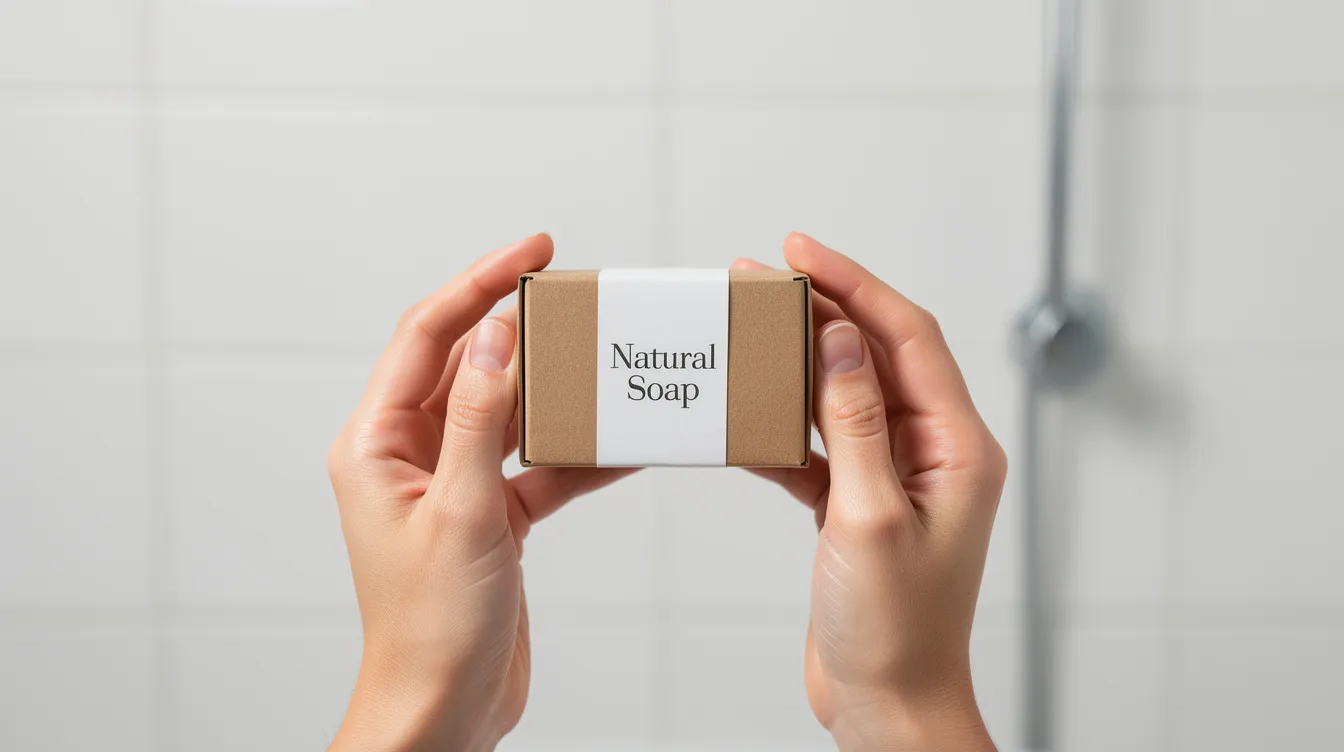
Natural Ingredients To Look For In Bath Salts & Body Wash
Natural body washes are generally more environmentally friendly, as they avoid harmful ingredients like sulfates, parabens, and synthetic fragrances, which can pollute waterways. Natural body washes typically contain fewer synthetic chemicals, which reduces the risk of skin irritation and allergies, making them ideal for sensitive skin or conditions like eczema and psoriasis.
Using natural body washes can help mitigate health concerns associated with harmful ingredients like parabens and sulfates, which have been linked to hormone disruption and other health issues. Still, “natural” and “organic body wash” are marketing terms unless backed by organic ingredients, certifications, and full disclosure.

Alpine Provisions Store. metal bottle
Body Wash & Body Soap Bar Bases
Look for saponified olive oil, organic coconut oil, sunflower oils, or coconut oil in a soap bar. Castile-style soap and plant based surfactants can make a creamy lather without harsh bubbles.
A quality body soap bar or body wash bar rinses clean. It should not feel waxy, and it should not need a cloud of rich foam to work.
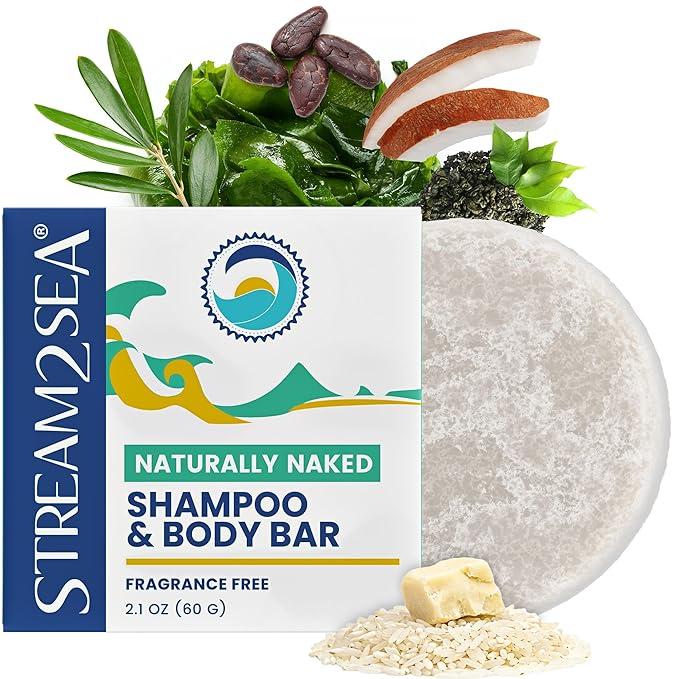
Stream 2 Sea Store. fragrance free body and shampoo bar soap
For More Entirely Plastic Free Shampoo and Conditioning Brands Go Here
Skin-Loving Oils, Butters & Botanicals
Natural body washes often include nourishing ingredients such as aloe vera, coconut oil, and shea butter, which provide hydration and essential nutrients to the skin.
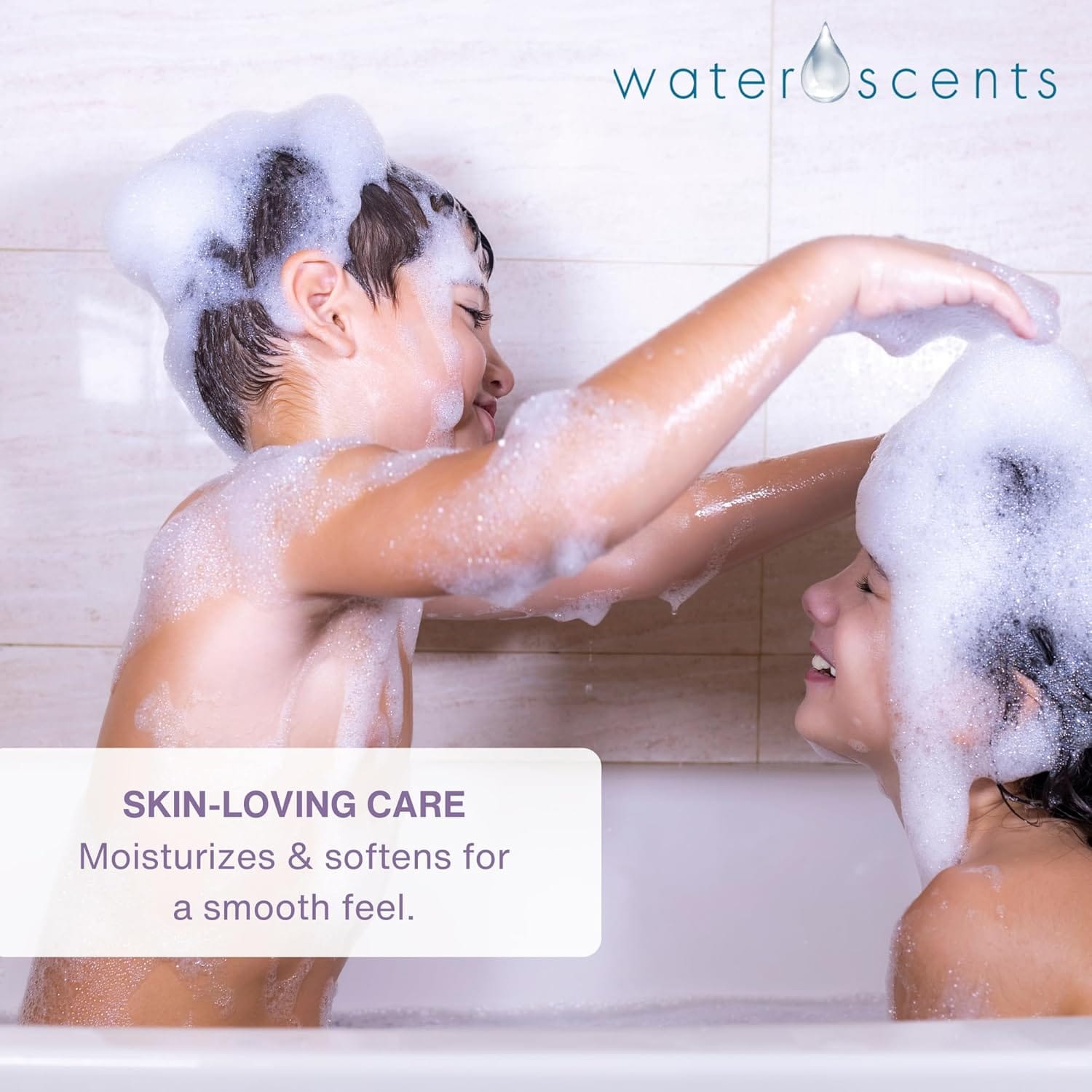
Water Scent Lavender Mist Bath Bomb an exceptional aromatherapy bathing experience
Other helpful ingredients include cocoa butter, avocado oil, argan oil, jojoba oils, sunflower oils, hyaluronic acid, calendula, chamomile, colloidal oats, and undaria seaweed. These can support the skin barrier and help you feel refreshed after a shower.
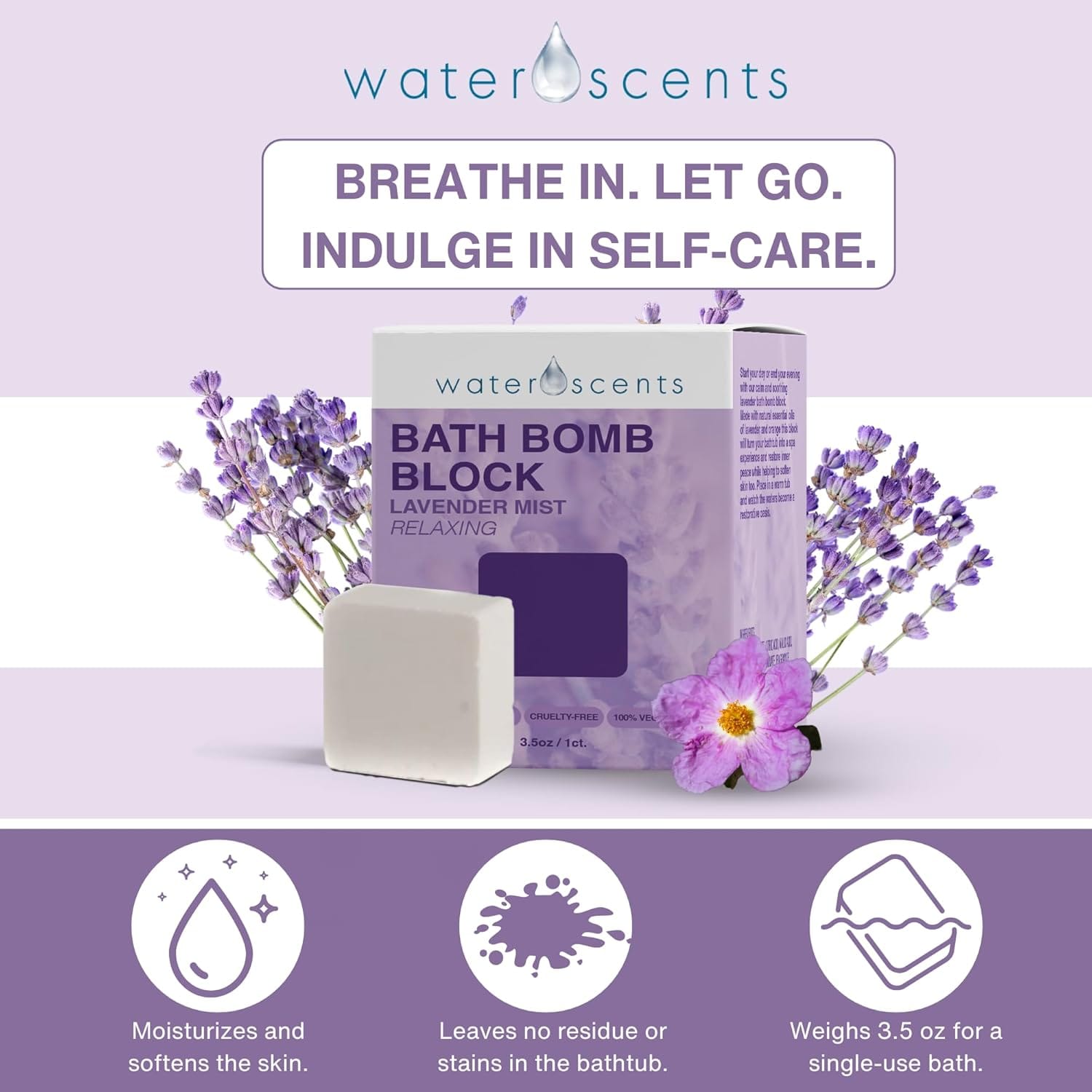
WaterScents Bath Bomb like ALL bombs, I normally break them up for several indulgences
Fair trade shea butter, palm oil free recipes, and responsibly sourced plant based oils are also worth prioritizing.
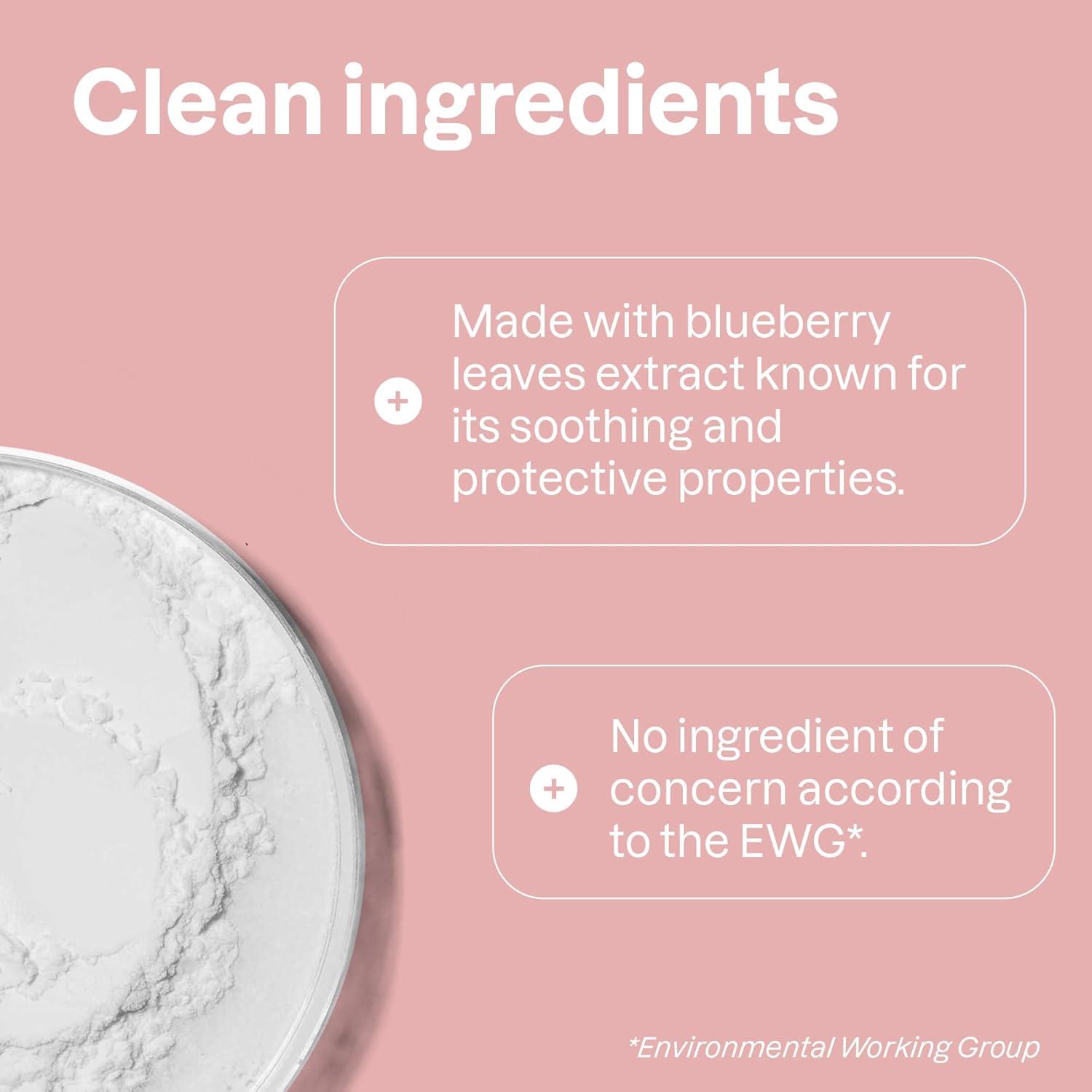
ATTITUDE Baby Leaves unscented and delicate for babies skin
Salts, Minerals & Clays In Plastic Free Bath Salts
Plastic-free bath salts often utilize natural mineral bases like Epsom salt or Dead Sea salt. Himalayan salt, kaolin clay, and French green clay can also appear in blends.
Warm water plus minerals can support relaxation and sore muscles. Avoid “detox” claims that sound too medical; a bath should feel good, smell great, and rinse clean.
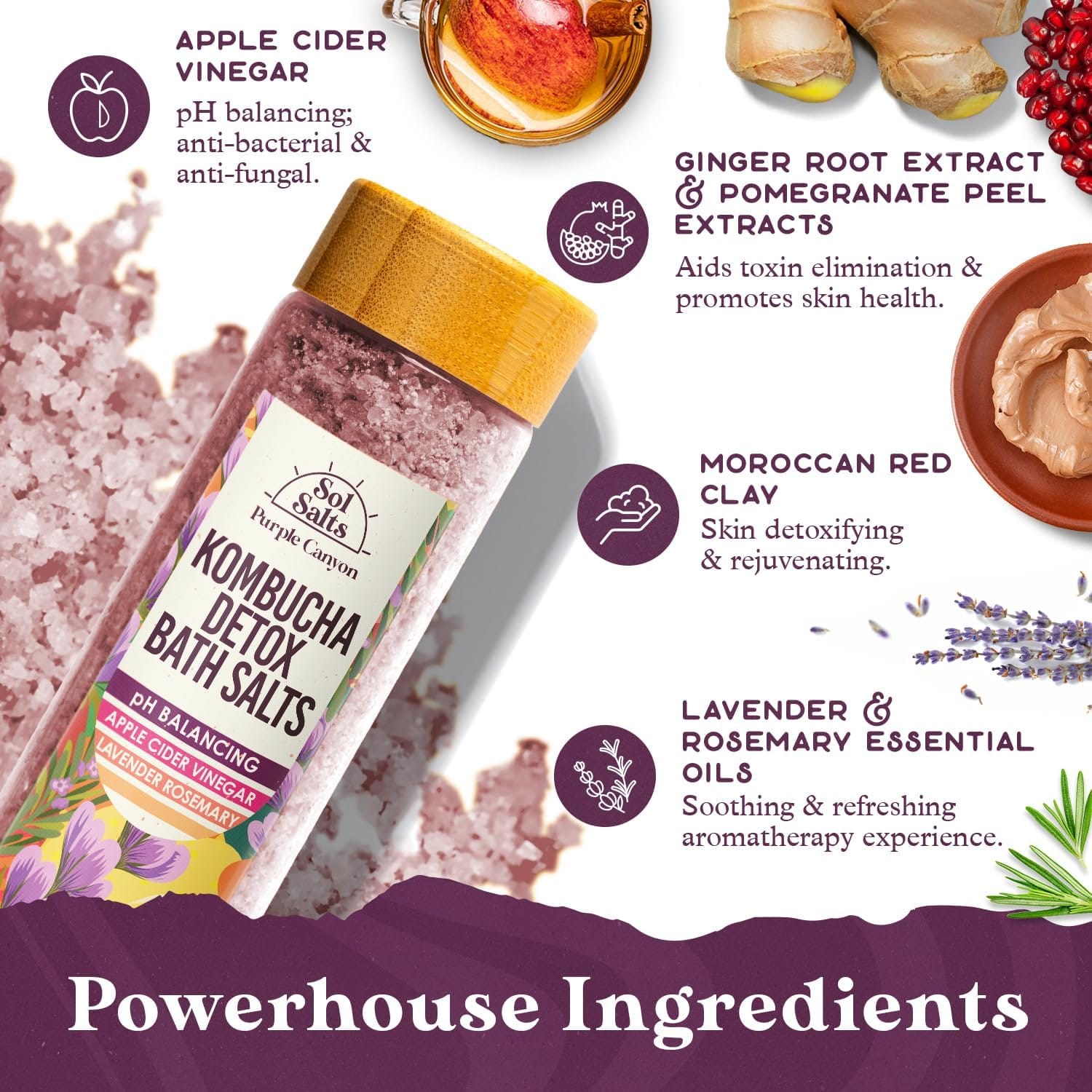
Purple Canyon Store. SolSalts in glass and wood containers
Essential Oils & Natural Scents
Essential oils like lavender, eucalyptus, peppermint, sweet orange, and tea tree can create a fresh scent at low levels. Reputable brands list each oil instead of hiding behind “fragrance.”
If you are pregnant, have allergies, or have reactive skin, choose fragrance free and ask a clinician about specific oils.
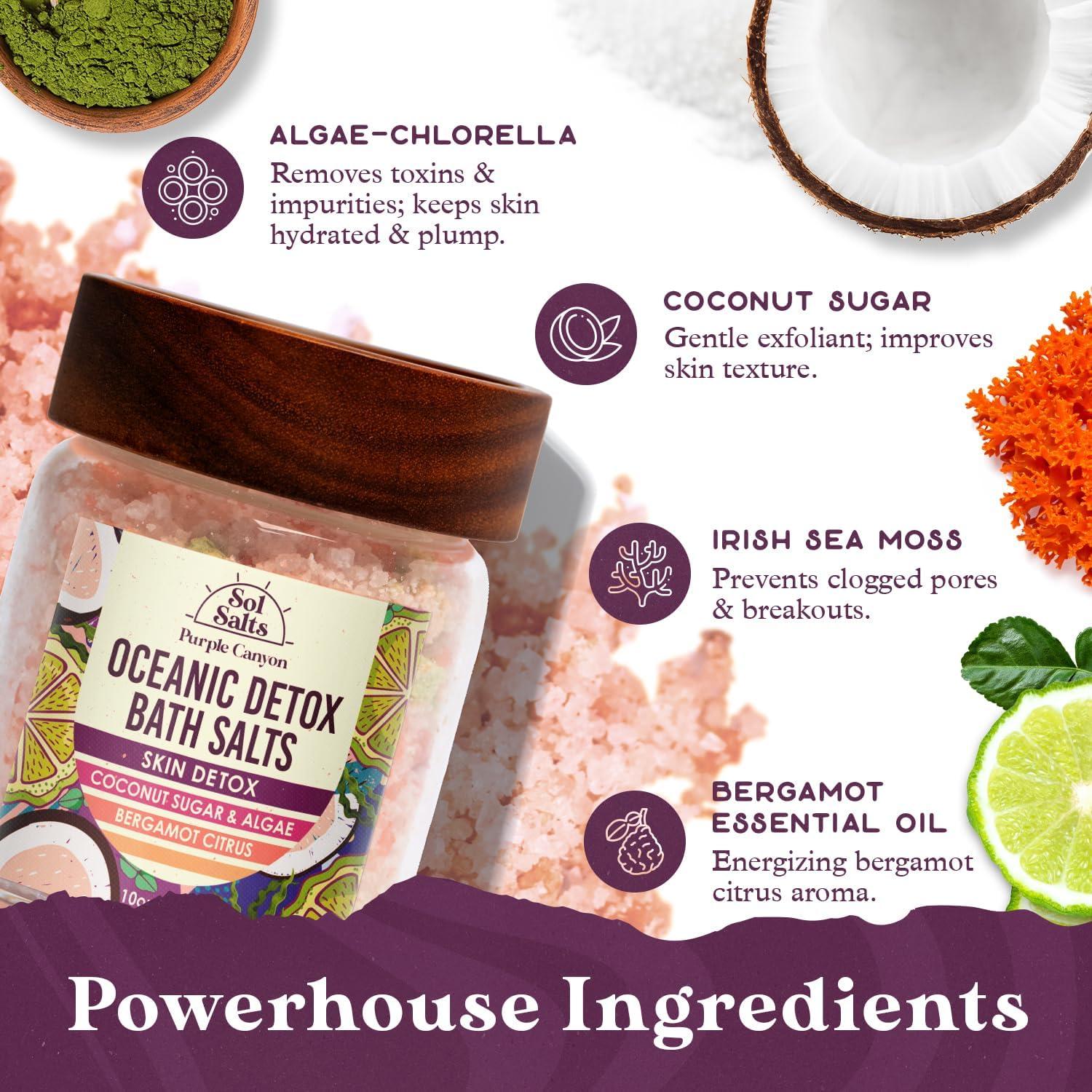
Purple Canyon SolSalts entirely plastic free
How To Switch To Plastic Free Bath Salts & Body Wash
Here are the steps.
- Audit your shower. Count every liquid body wash, scrub, bubble bath, and plastic bottle. Note sulfates, parabens, phthalates, fragrance, and dyes.
- Choose one swap. Start with a body wash bar or body soap bar that is vegan, palm oil free, cruelty free, and packaged in paper.
- Replace bubble bath. Pick glass-jar bath salts made with mineral salts, plant oils, and clearly named essential oils.
- Set up storage. Use a draining dish for soap and an airtight jar for salts.
- Use what you own. Finish old products first, then replace them with non toxic, low waste options over 1–3 months.
This is the easiest way to reduce plastic without wasting products already in your bathroom.
Caring For Solid Body Wash Bars & Bath Salts
Proper care makes plastic free products last longer.
For bars:
- Keep the solid bar out of the direct shower stream.
- Use a draining soap dish or soap saver.
- Cut large bars in half before use.
- Let the bar dry fully between showers.
For bath salts:
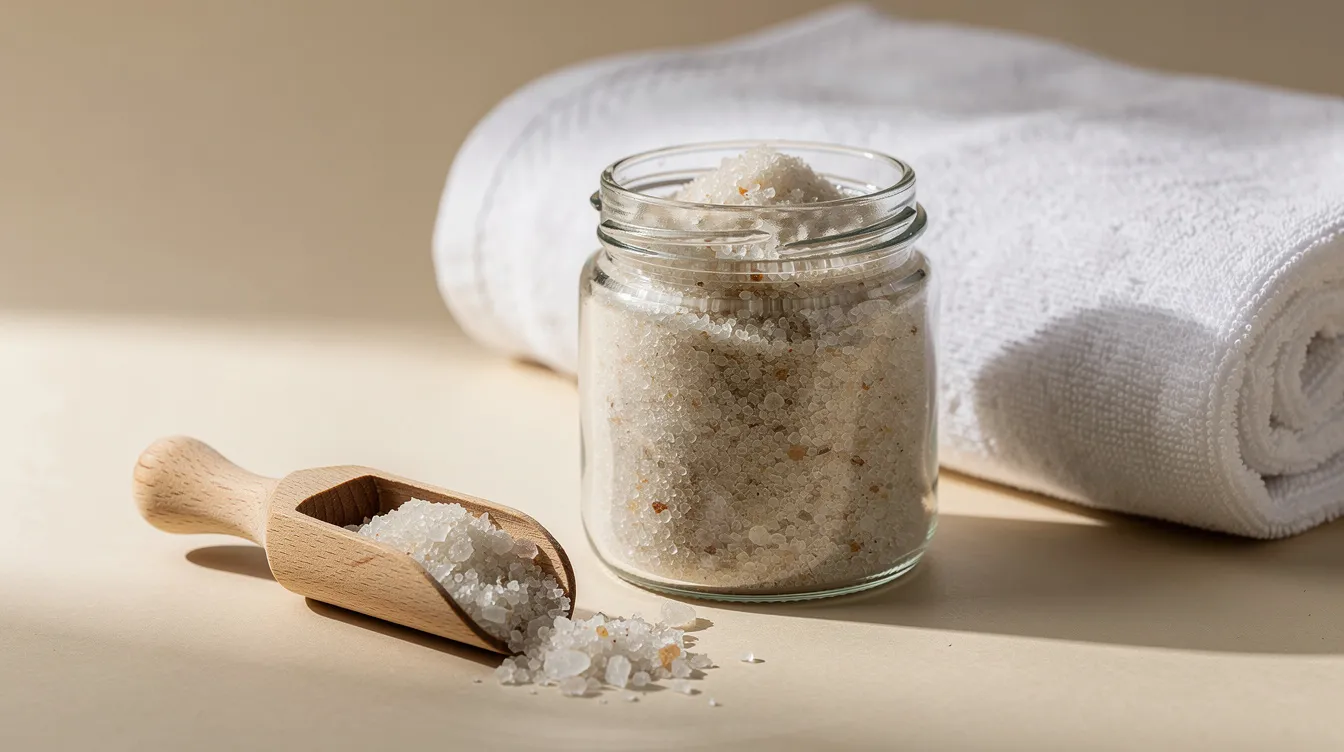
- Store in airtight glass or metal.
- Keep away from humidity and sunlight.
- Use a clean, dry scoop.
Dry salts often last 12–24 months. Body washes and bars commonly last 6–18 months, but always check the brand’s label. If you compare brands listed online, check shelf life, full ingredients, and packaging details before buying.
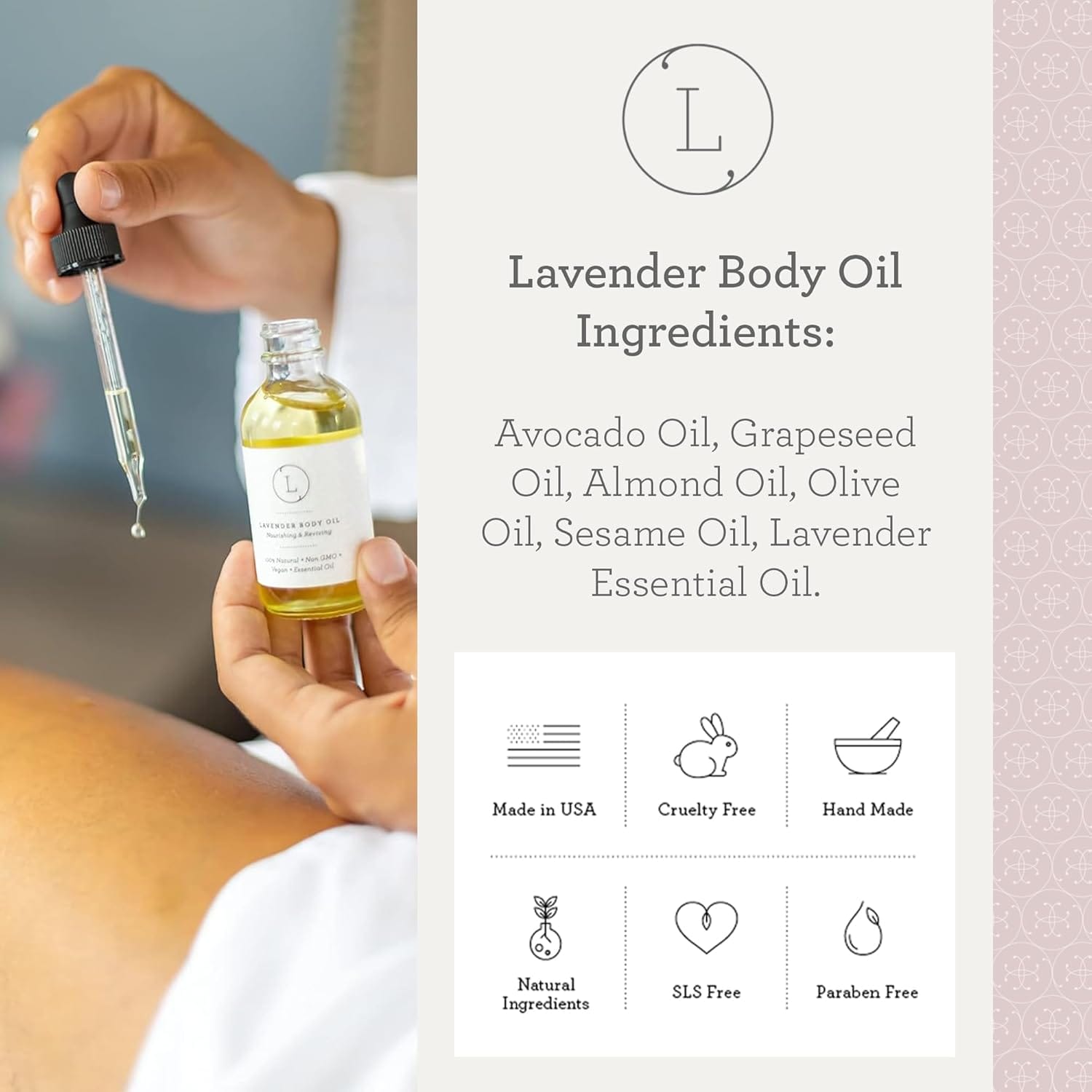
Lizush Bath Oils. in glass bottles, many fragrances
Conclusion
Plastic free bath salts and body wash are not about giving up comfort. They are about choosing better formats: less plastic, fewer harmful chemicals, biodegradable ingredients, and simpler routines that still lather, cleanse, and help skin feel good.
Start with one swap this week. Replace one plastic bottle with a body wash bar, refill one glass jar with bath salts, and build from there.
no-plastics.com
FAQs
Do plastic free body wash bars really clean as well as liquid body wash?
Yes. A well-formulated body wash bar can remove sweat, sunscreen, and daily grime as effectively as liquid body wash. Performance depends on surfactants, oils, pH, and formulation-not whether the product is liquid.
Are plastic free bath salts safe for all skin types?
Simple salt blends are generally well tolerated, but broken, freshly shaved, very dry, or irritated skin may sting. Start with a short hand or foot soak before using a full bath.
Can I travel with plastic free body wash and bath products?
Yes. Body wash bars and body soap bars are TSA-friendly and do not leak. Use a small reusable tin or soap box, and let the bar dry when you arrive.
Is bar soap more hygienic than liquid body wash?
Bar soap can hold surface bacteria, but normal rinsing under running water makes transfer unlikely for healthy users. Keep it dry between uses and do not let it sit in murky water.
How can I tell if a “natural body wash” or “organic body wash” label is trustworthy?
Read the full ingredient list. Prioritize transparent formulas, third-party certifications, fragrance free options when needed, and eco friendly packaging.
For more information:
 Jenni Newton
 damianos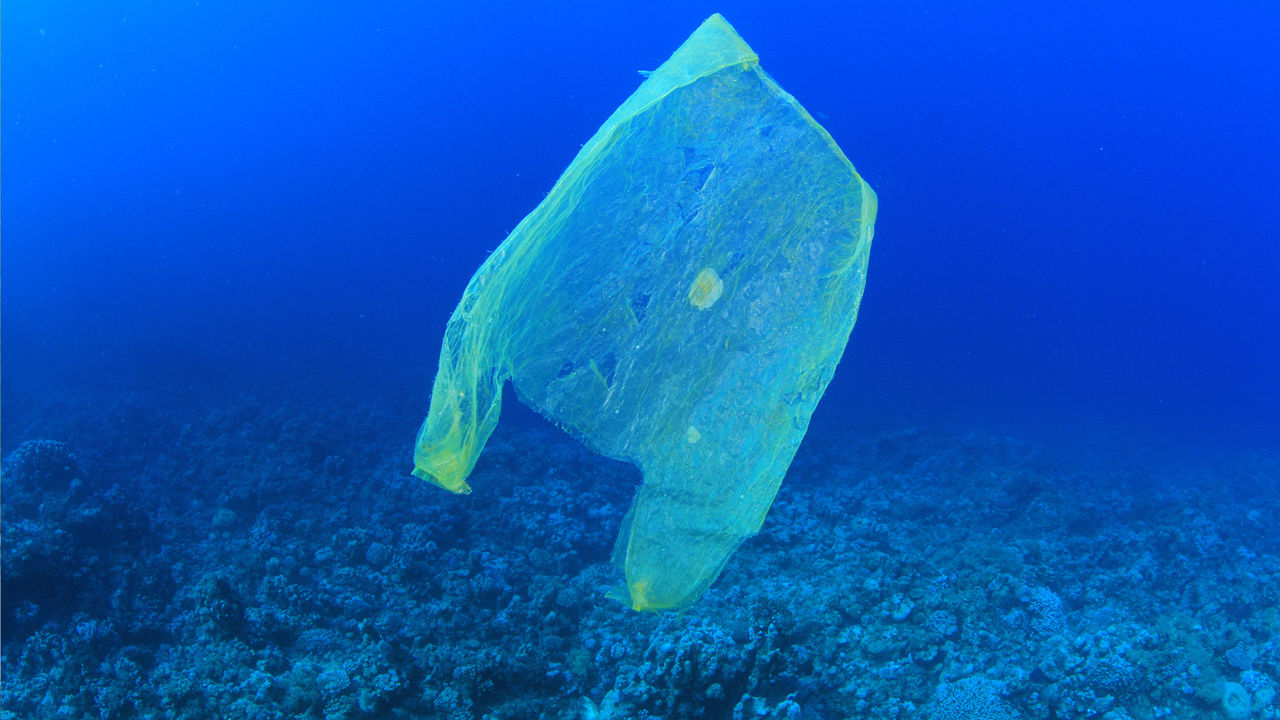
 officeofcommunicationsstanford.edu