Plastic Free Camping Gear: The Essential Guide for Low-Waste Adventures
Planning a camping trip in 2026? The gear you pack matters more than ever. This guide walks you through everything you need to know about plastic free camping gear—with a focus on eco conscious camping practices—from your core kit essentials to meal planning, shelter options, and maintaining your equipment for years of use. Whether you’re car camping for a weekend or preparing for multi day hikes, you’ll find practical, actionable advice to reduce waste without sacrificing comfort or safety.
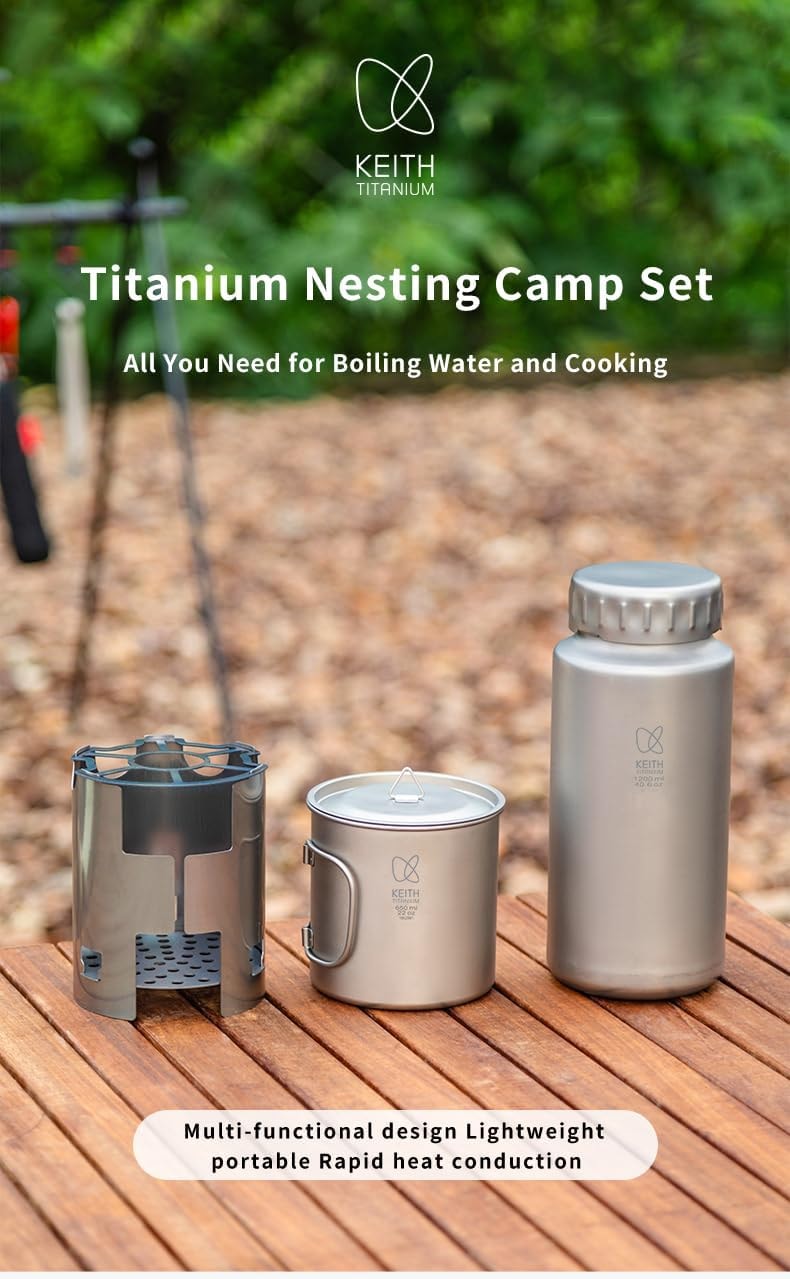
Keith Store. titanium nesting camp set, bottle mug and woodstove in canvas carry sack
Quick Start: Your Core Plastic Free Camping Kit
What plastic free camping gear do I actually need? For 2026 summer trips, you can start with a focused collection of durable, reusable items that replace the most common disposable plastics found at campsites. Choosing light (lightweight) gear makes transport easier and increases comfort during your outdoor adventures.
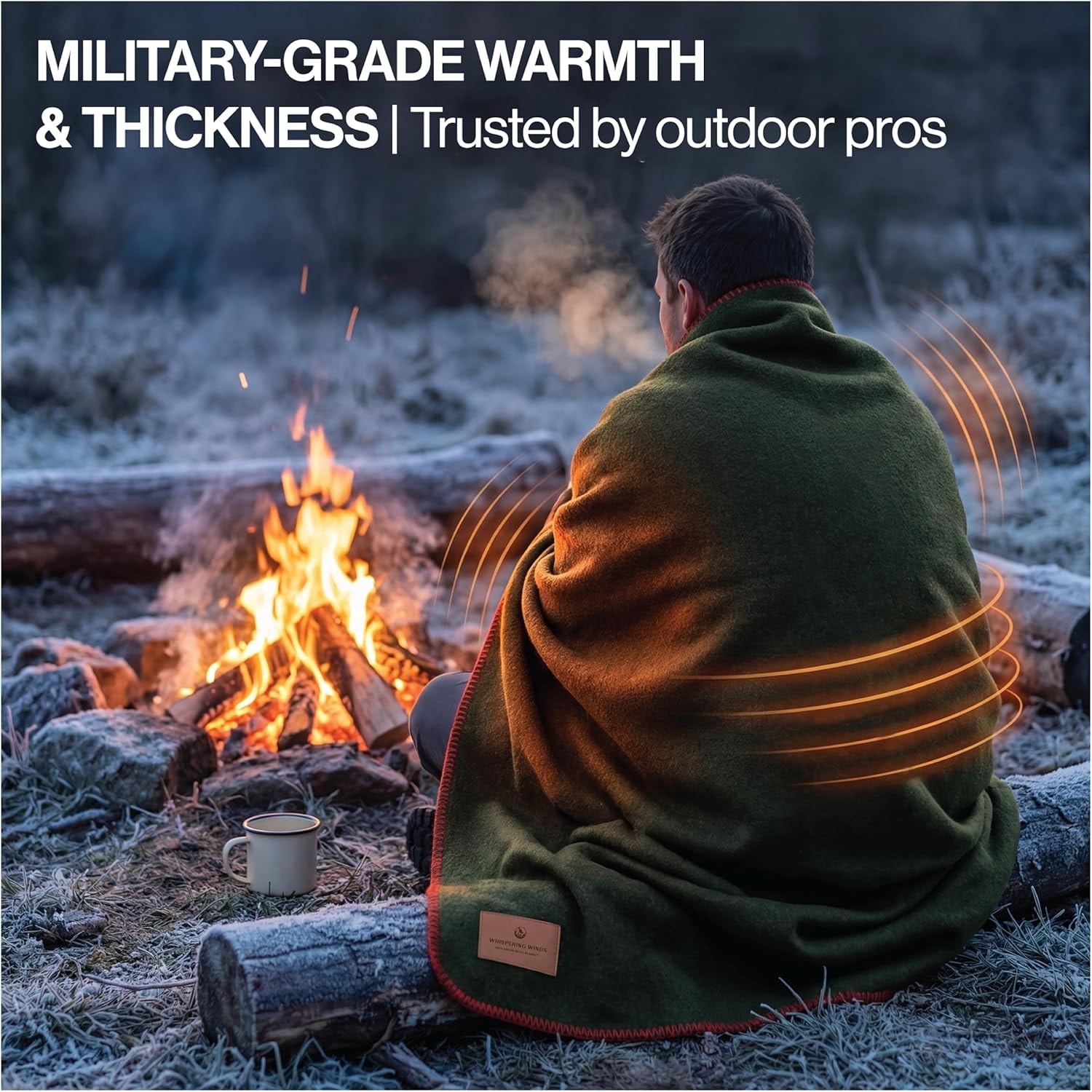
Whispering Woods. ultra soft and think 100% virgin wool blanket
When selecting personal care items for your kit, such as bug repellent or sunscreen, look for cruelty free and eco-friendly certifications to ensure your choices are both ethical and sustainable.
Here are 10-12 must have items for your core kit:
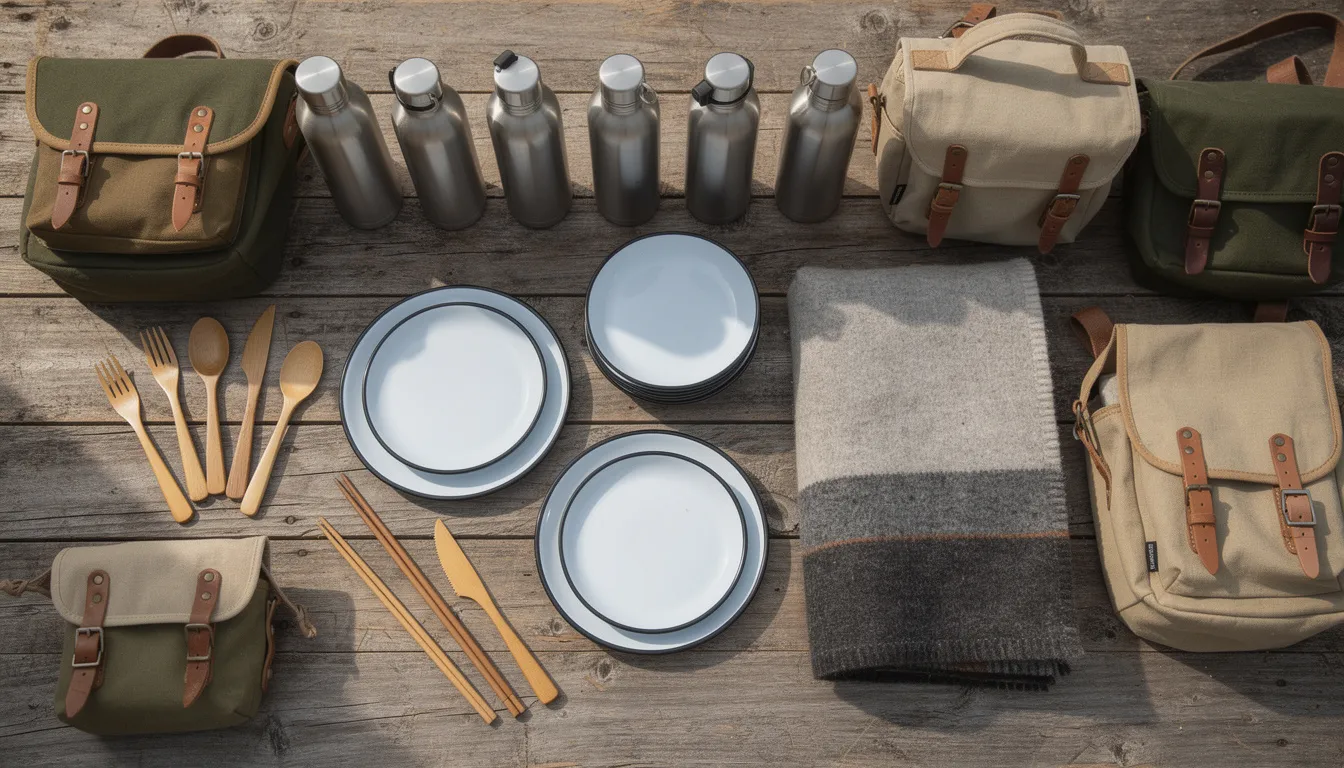
- Stainless steel water bottle (1L) – replaces single-use plastic water bottles
- Enamel or stainless steel plate – replaces disposable paper plates with plastic coating
- Bamboo cutlery set – replaces plastic disposable forks, knives, and spoons
- Cotton stuff sacks – replaces plastic bags for organizing gear
- Waxed canvas food bag – replaces plastic food containers and ziplock bags
- Wool blanket – replaces synthetic fleece throws that shed microplastics
- Metal tent pegs – replaces cheap plastic pegs that snap and get left behind
- Rechargeable headlamp – replaces headlamps requiring disposable batteries
- Stainless steel tiffin or food container – replaces plastic tupperware
- Beeswax wraps (set of 3) – replaces cling film and plastic wrap
- Metal lighter or matches in a tin – replaces disposable plastic lighters
- Cotton or hemp dish cloth – replaces synthetic sponges and plastic-wrapped wipes
The good news: having even 3-4 of these items already significantly cuts your plastic use. You don’t need to overhaul everything at once. Start with what makes the biggest difference—water bottles, food containers, and cutlery—and build from there.
Why Go Plastic Free When Camping?
Walk into any big-box outdoor store and you’ll notice something immediately: nearly everything is wrapped in plastic, made from plastic, or contains plastic components. From shrink-wrapped tent poles to blister-packed headlamps to the gear itself, conventional camping setups generate substantial plastic waste before you even reach the trailhead.
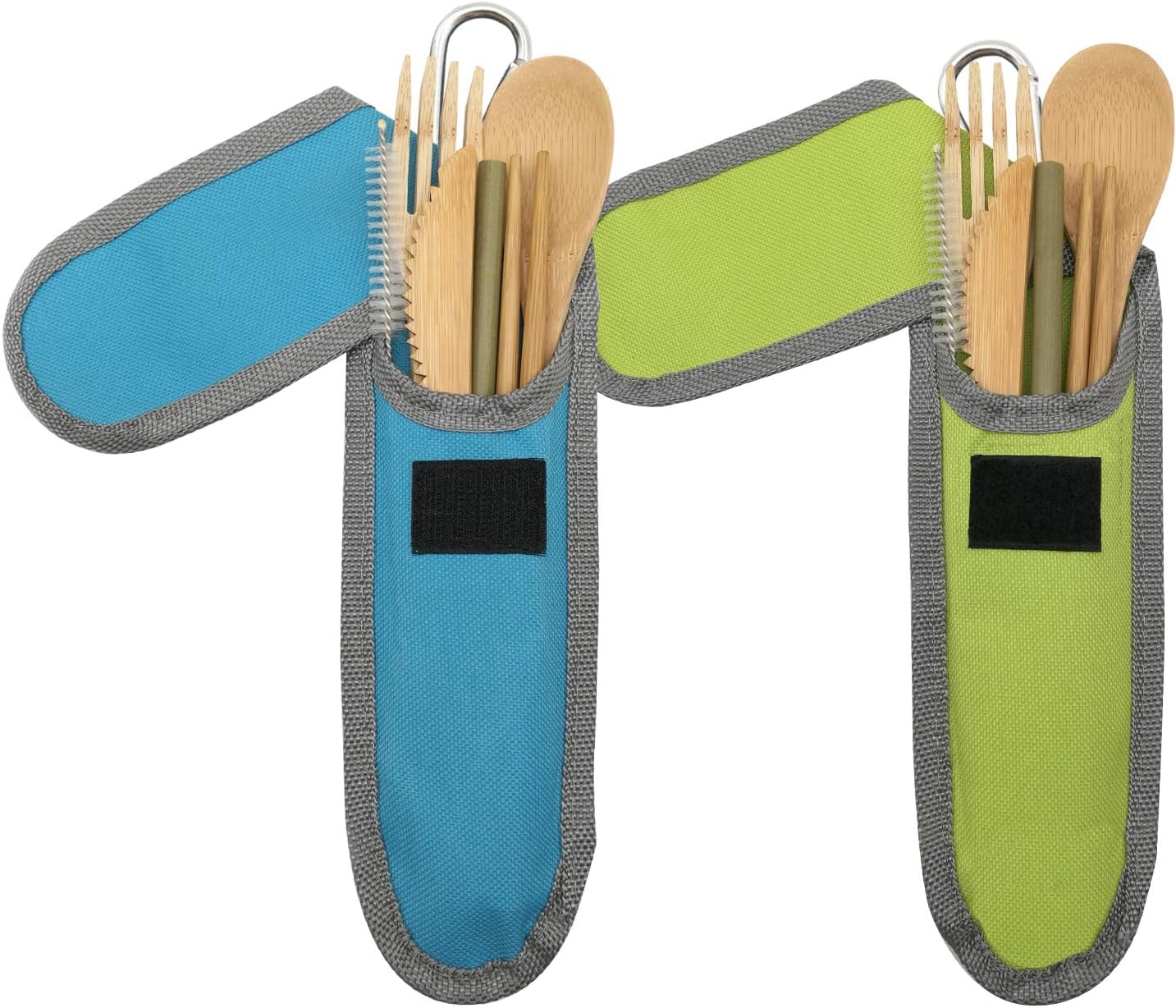
UPTRUST. 2 for the price of 1 bamboo cutlery sets
This matters in wild places for several concrete reasons:
- Decomposition times: A plastic bottle can persist in the environment for 450+ years. Plastic bags take 10-20 years. Meanwhile, an apple core breaks down in 2 months.
- Microplastic contamination: Plastic trash doesn’t truly disappear—it fragments into microplastics that bioaccumulate in wildlife at rates of 10-100 particles per gram in some fish species.
- Volume of litter: In 2022, U.S. national parks saw 325 million visitors and a 25% increase in trash compared to pre-pandemic levels. The majority of litter by item count at recreation area cleanups is consistently plastic.
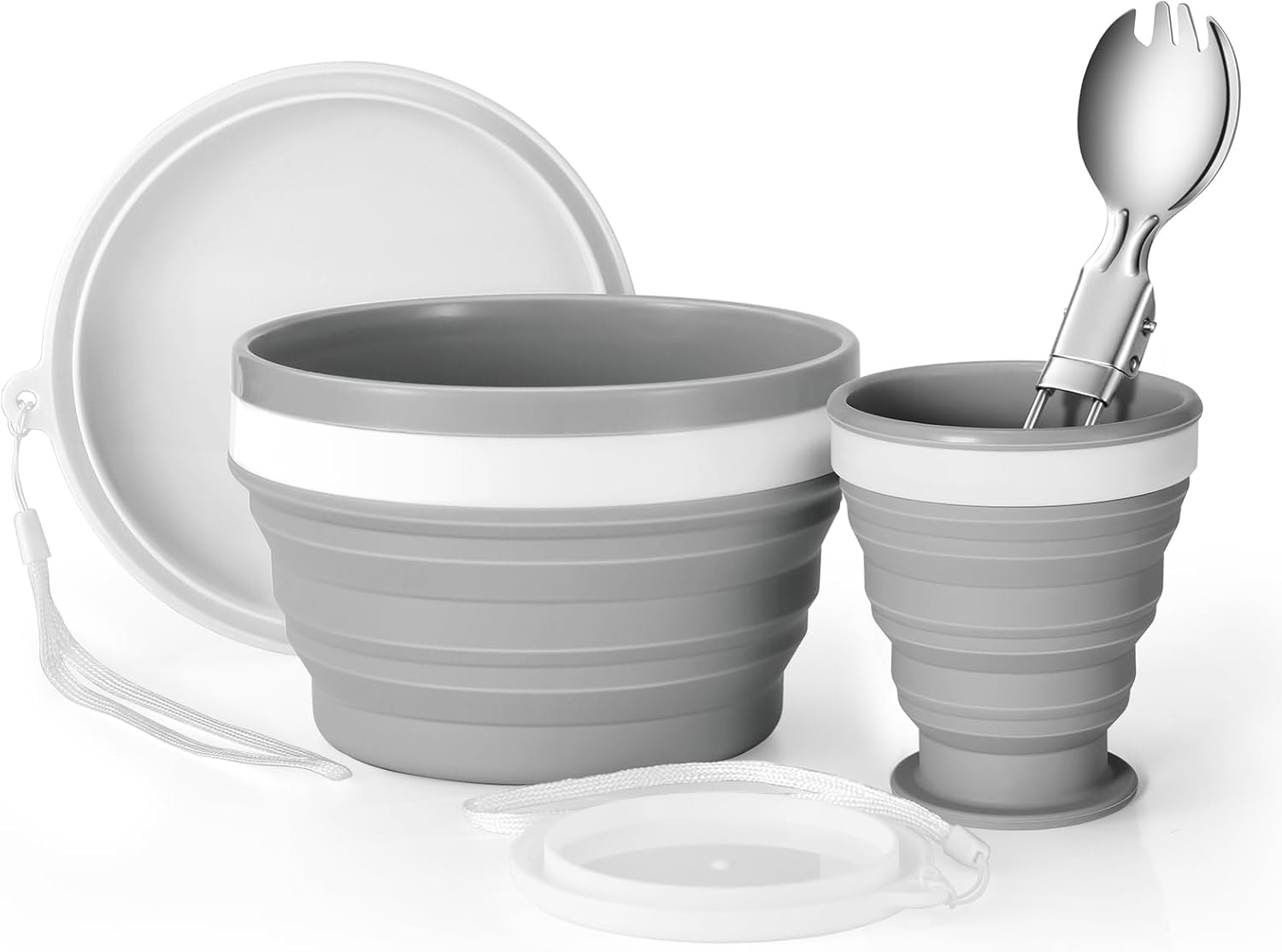
ODOLAND. collapseible silicone cup and bowl set
Beyond environmental impact, plastic free or low-plastic gear tends to be longer-lasting, easier to repair, and more pleasant to use. There’s no off-gassing from synthetic materials in your tent on a hot day, no toxins leaching into your coffee from a heated plastic mug, and no gear that falls apart after two seasons.
Plastic Free Camping = Less Litter + Less Toxins + More Durability
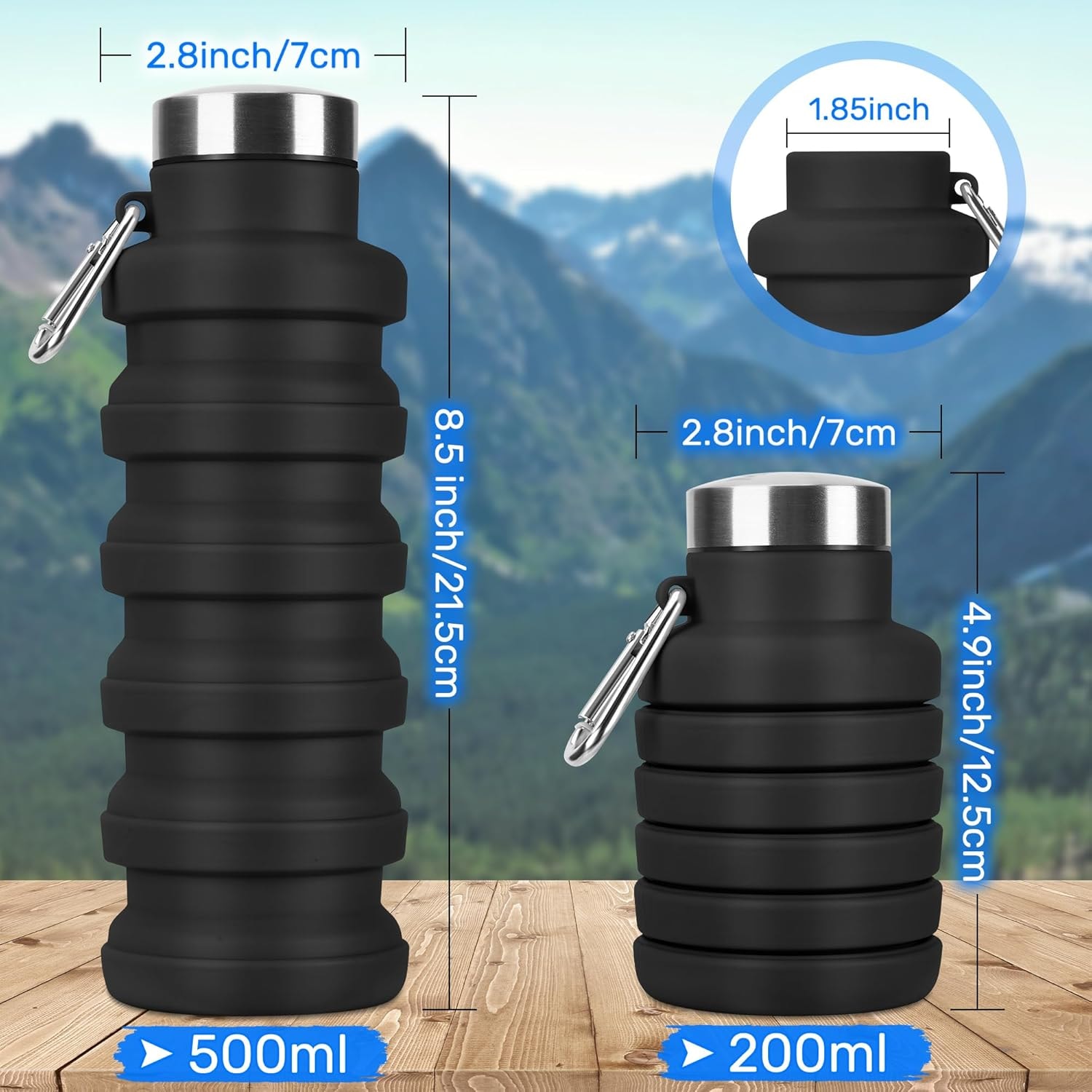
Rotayi Staore. collapsible leakproof silicone water bottle
Plastic Free Shelter & Sleeping: Tent, Tarp, and Bed
Most tents and sleeping bags on the market are synthetic—nylon, polyester, and plastic zippers dominate. However, there are lower-plastic and genuinely plastic free options available, plus strategies to reduce impact with what you already own.
The enormous tent industry remains the biggest challenge in terms of sustainable camping :(
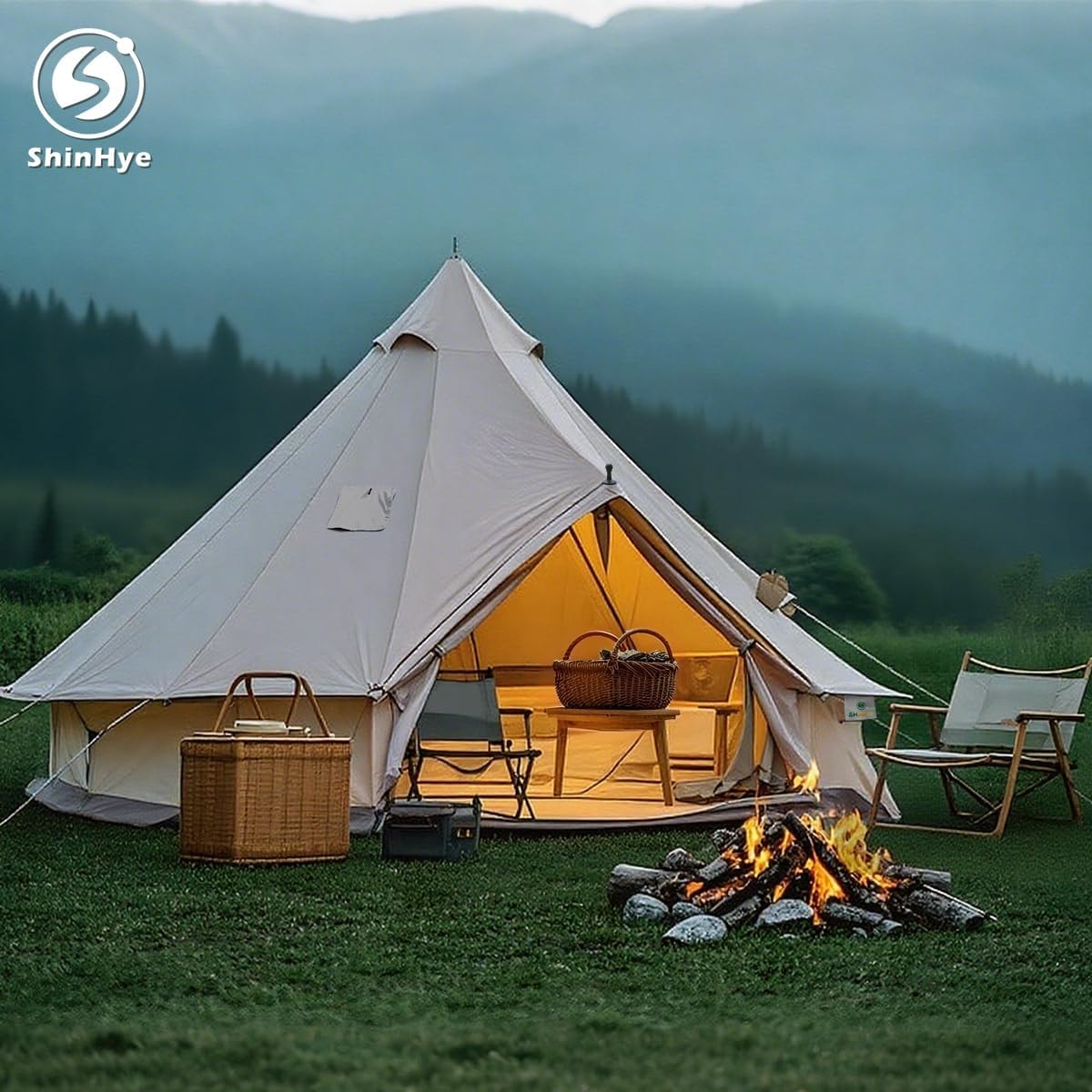
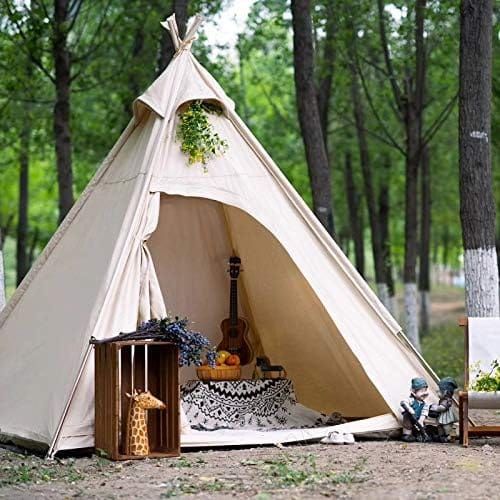
ShinHye Store. 4 season 100% cotton canvas, however treated with PU (plastic) coating :(
Tent Options
Cotton canvas and polycotton canvas tents represent the most plastic free shelter choice. Bell tents, ridge tents, and traditional A-frame designs made from organic cotton canvas with beeswax or plant-oil waterproofing are durable, breathable, and repairable for decades. Look for:
- Organic cotton canvas (naturally mold-resistant with proper drying)
- Beeswax or linseed oil waterproofing instead of PFC chemical coatings
- Wooden or aluminum poles rather than fiberglass
- Metal zips instead of plastic coil zippers where feasible
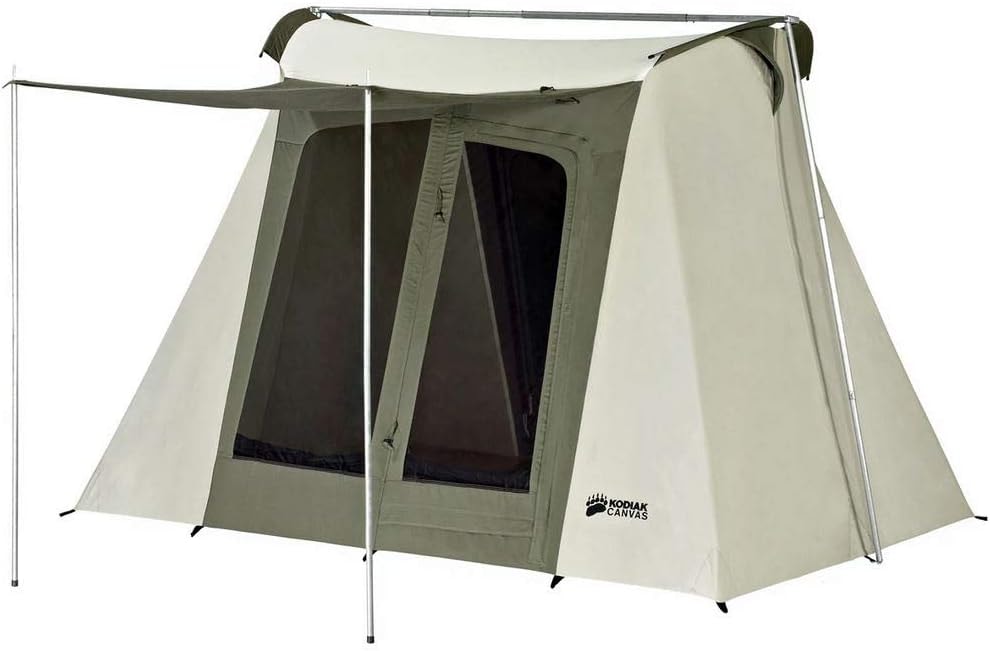
KODIAK CANVAS. 100% watertight cotton duck
Waxed canvas tarps offer a lightweight, plastic free alternative for minimalist camping—pair with a cotton hammock or ground setup for summer trips.
For Entirely Plastic Free Tarp Options Go Here
Second-hand synthetic tents remain a valid “use what exists” option. A durable synthetic tent you already own or buy used diverts waste from landfills and avoids new manufacturing. The key is storing and repairing it to extend its life rather than replacing it every few seasons. Some manufacturers now offer recycled polyester options like the Sierra Designs Meteor 2-person tent, which uses recycled fabric and PFC-free waterproofing.
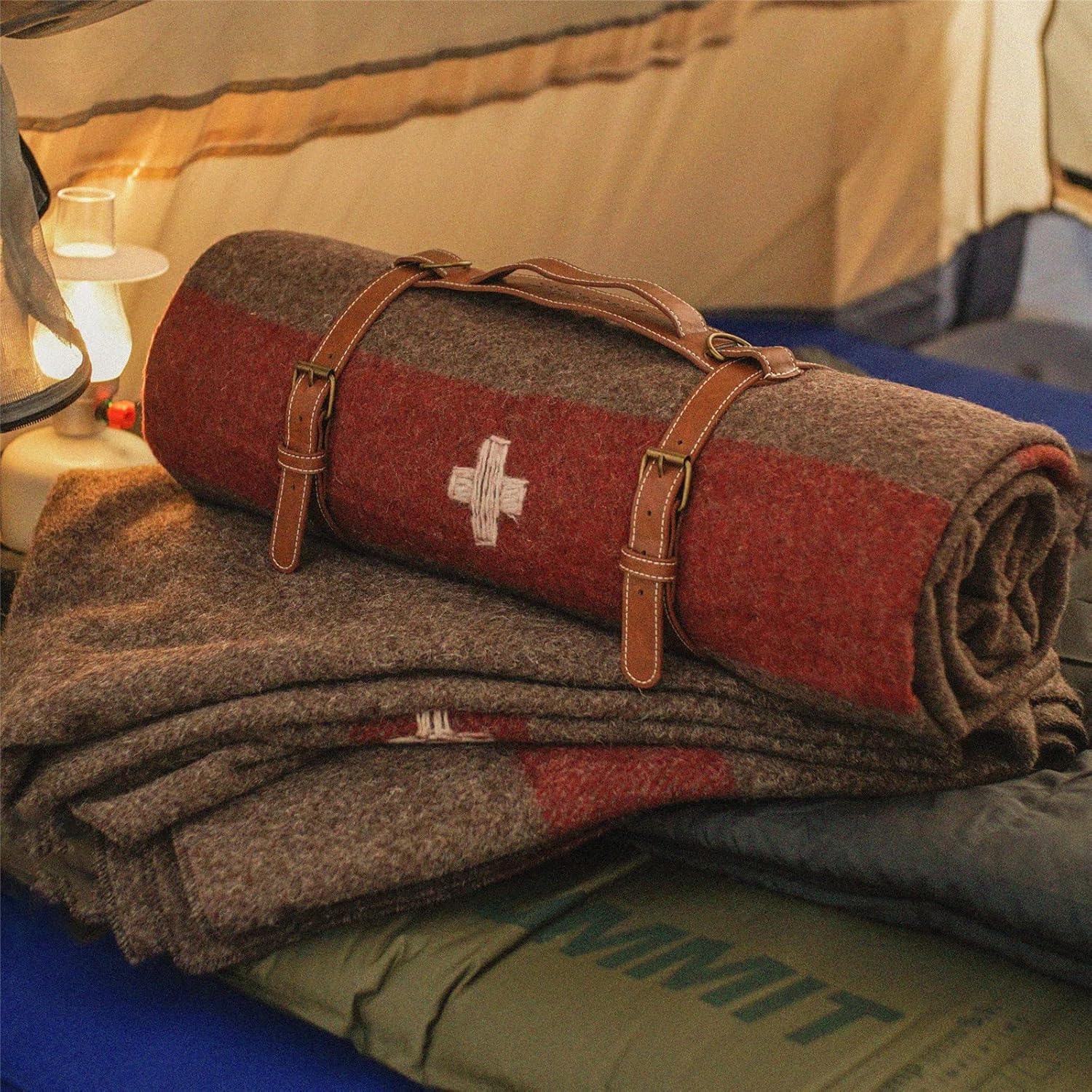
JQZ 100% Wool Swiss Army Reproduce Blanket
Big Agnes is a member of the Outdoor Industry Association's Climate Action Corps and has made product innovations to help reduce energy, wastewater, and chemical use in their manufacturing processes. All Big Agnes sleeping bags feature insulation ranging from 50 to 100-percent recycled materials.
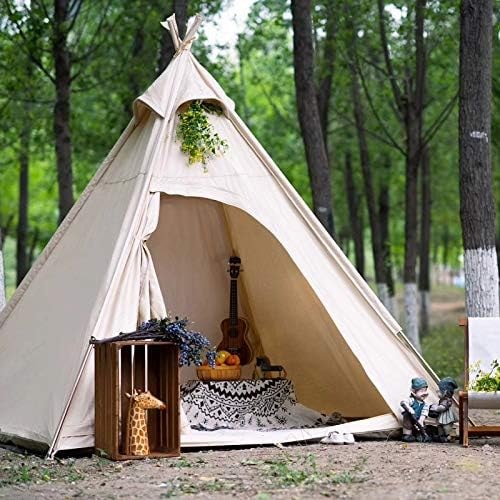
Free Space. also cotton canvas however plastic treated, plastic floor and zippers :(
Sleeping Systems
For plastic free or low-plastic sleeping:
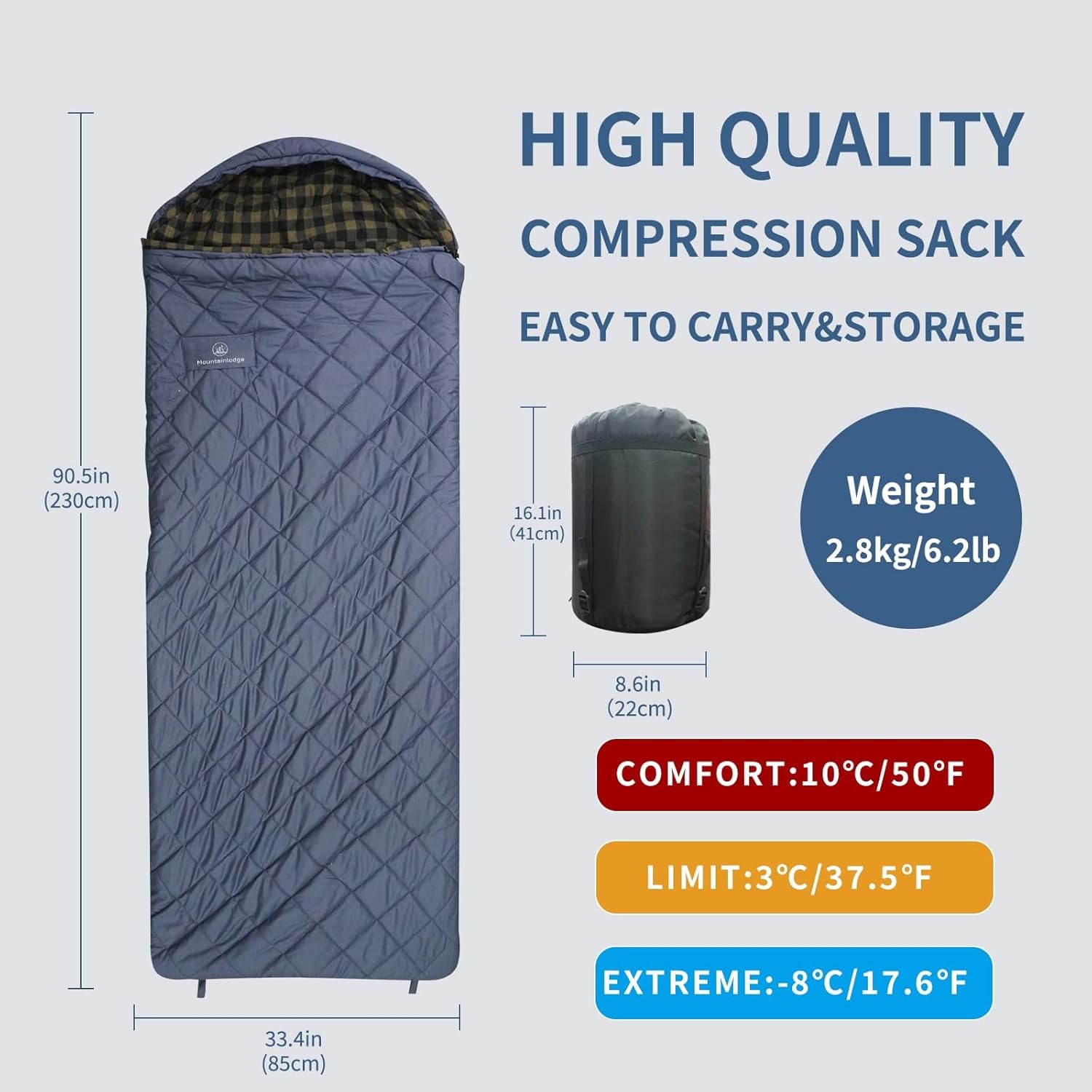
MOUNTAINLODGE. 100% cotton cold weather sleeping bag
- Wool blankets provide excellent insulation, naturally regulate temperature, and last for generations with proper care
- Cotton or linen sheets work well in warmer conditions
- Down duvets in cotton shells offer lightweight warmth for car camping
- Natural latex or cotton-filled sleeping pads replace foam where conditions allow
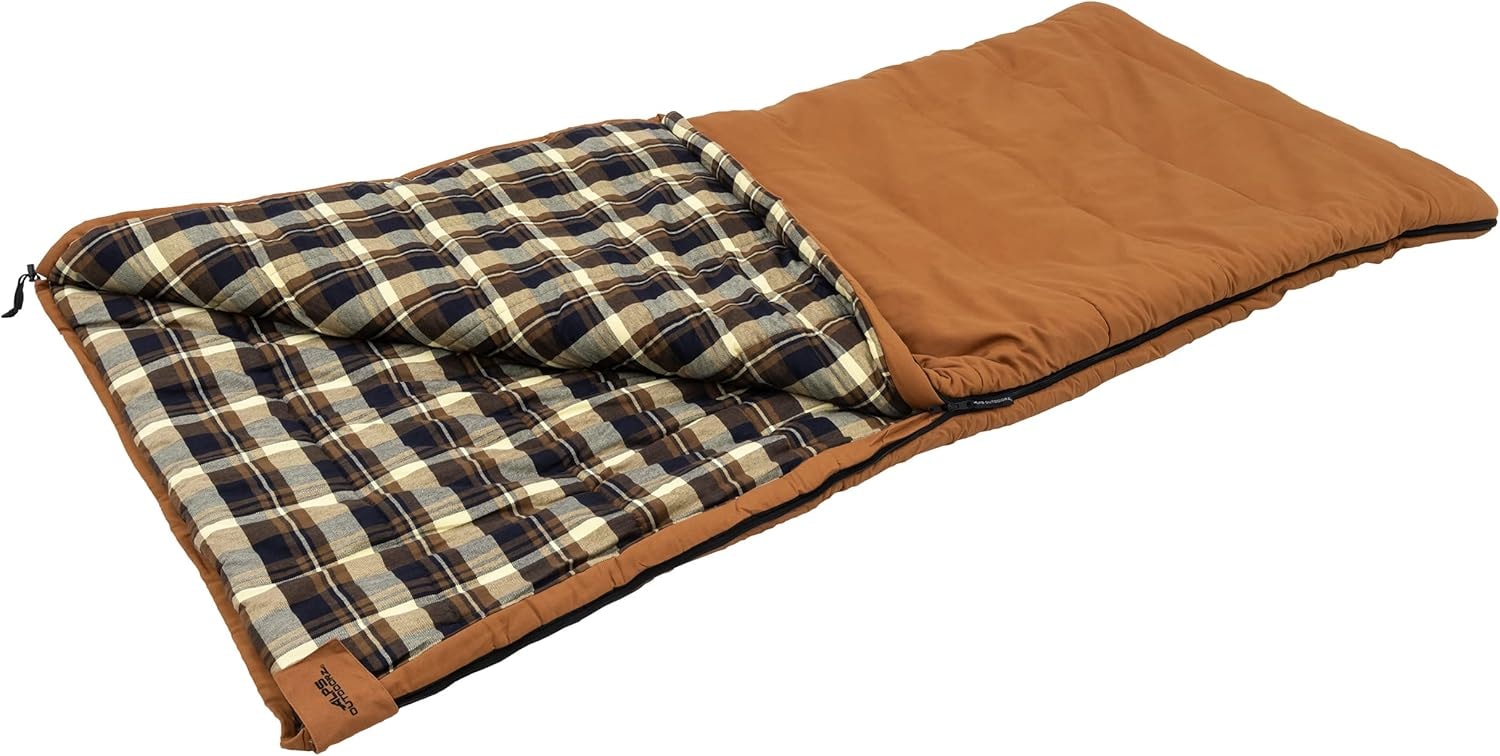
ALPS Outdoor Z -10degree cotton canvas shell and flannel lined sleeping bag
Realistic compromise: In cold or wet backcountry conditions, it’s acceptable to use an existing synthetic sleeping bag. Focus on proper storage (loose, not compressed) and repair to extend its life rather than buying new. High performance synthetic bags can last 10+ years with care.
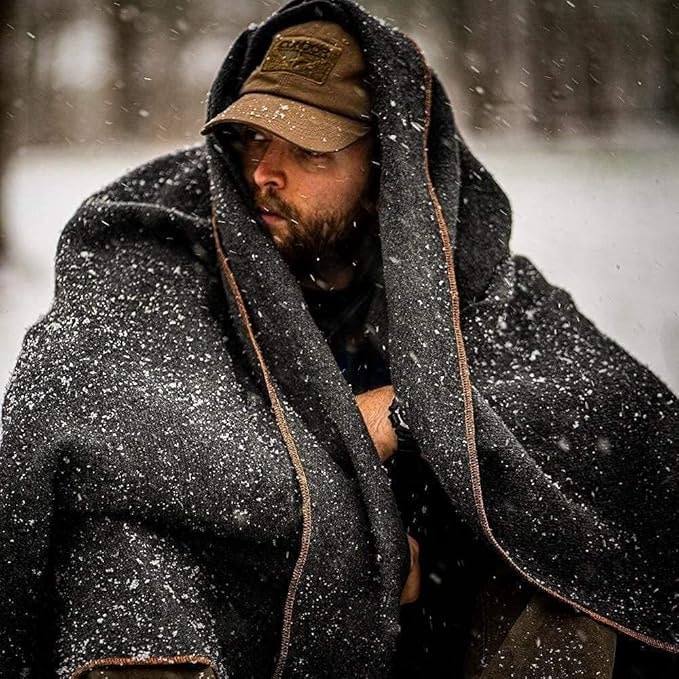
Molithe Store. 100% virgin wool camping blanket
Ground Mats, Pillows, and Accessories
For ground insulation without plastic:
- Folded wool blankets (double as sleeping layer and ground pad)
- Cork sleeping mats (naturally antimicrobial, lightweight for their insulation)
- Straw or hemp mats under a canvas groundsheet
- Heavy-duty reused tarp as a moisture barrier

TalatexHome Store. natural latex traveling pillow, no memory foam chemicals
Pillow solutions that skip the inflatable plastic:
- Cotton pillowcase stuffed with spare clothes
- Wool or kapok-filled travel pillow (kapok is a natural plant fiber)
- Rolled wool sweater in a cotton cover
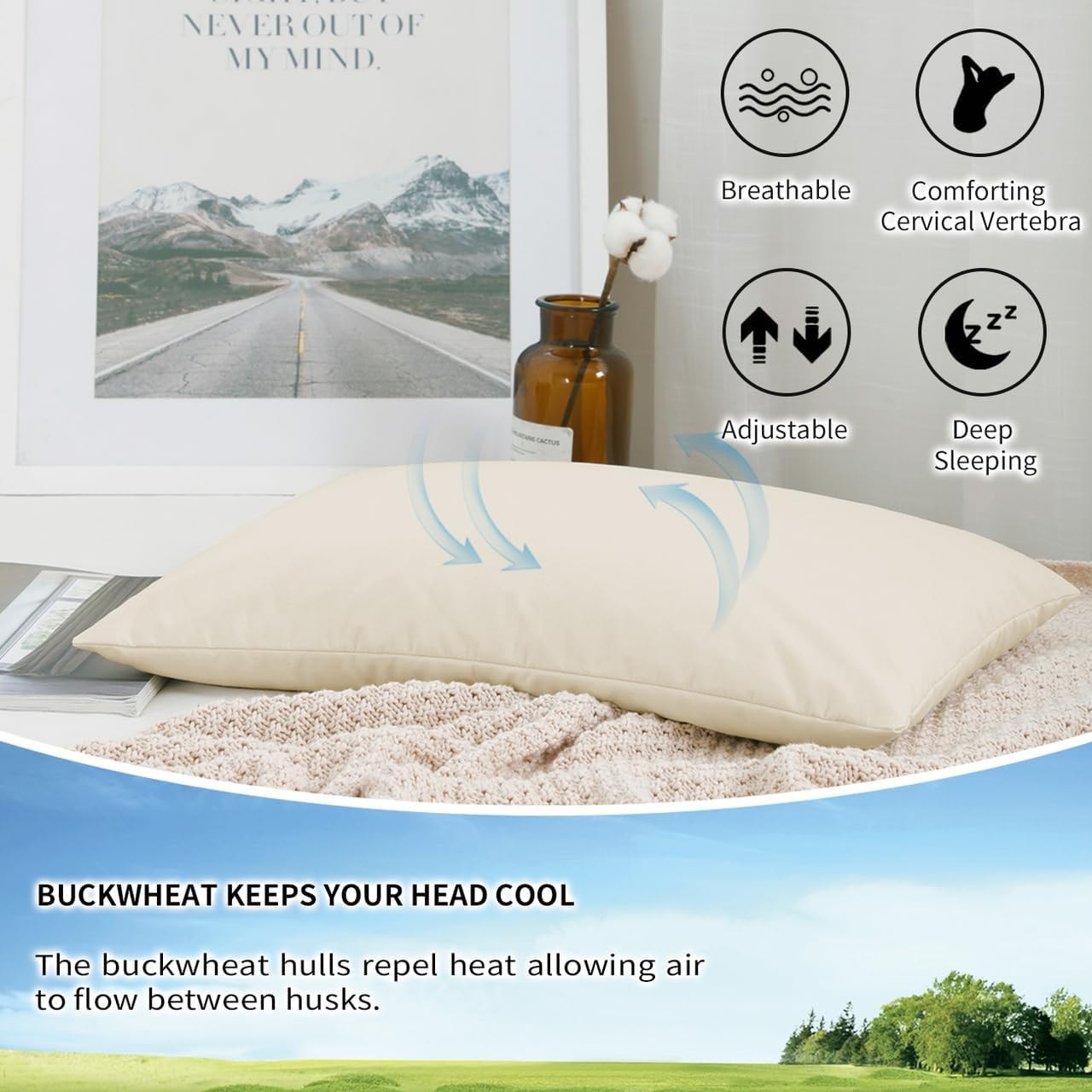
LOFE Store. organic buckwheat camping pillow
Feature | Plastic Air Mat + Inflatable Pillow | Wool Blanket + Cotton Pillow |
Weight | 400-600g | 1.5-2.5kg |
Durability | Puncture-prone, 3-5 year lifespan | 20+ years with care |
Comfort | Firm, crinkly sound | Soft, quiet, temperature-regulating |
Best for | Ultralight backpacking | Car camping, base camps |
Repair | Patch kits, often fails | Simple sewing |
Note that plastic free ground options are heavier and best suited to car camping, while low-plastic options (like keeping your existing foam pad) can work for lightweight hiking.
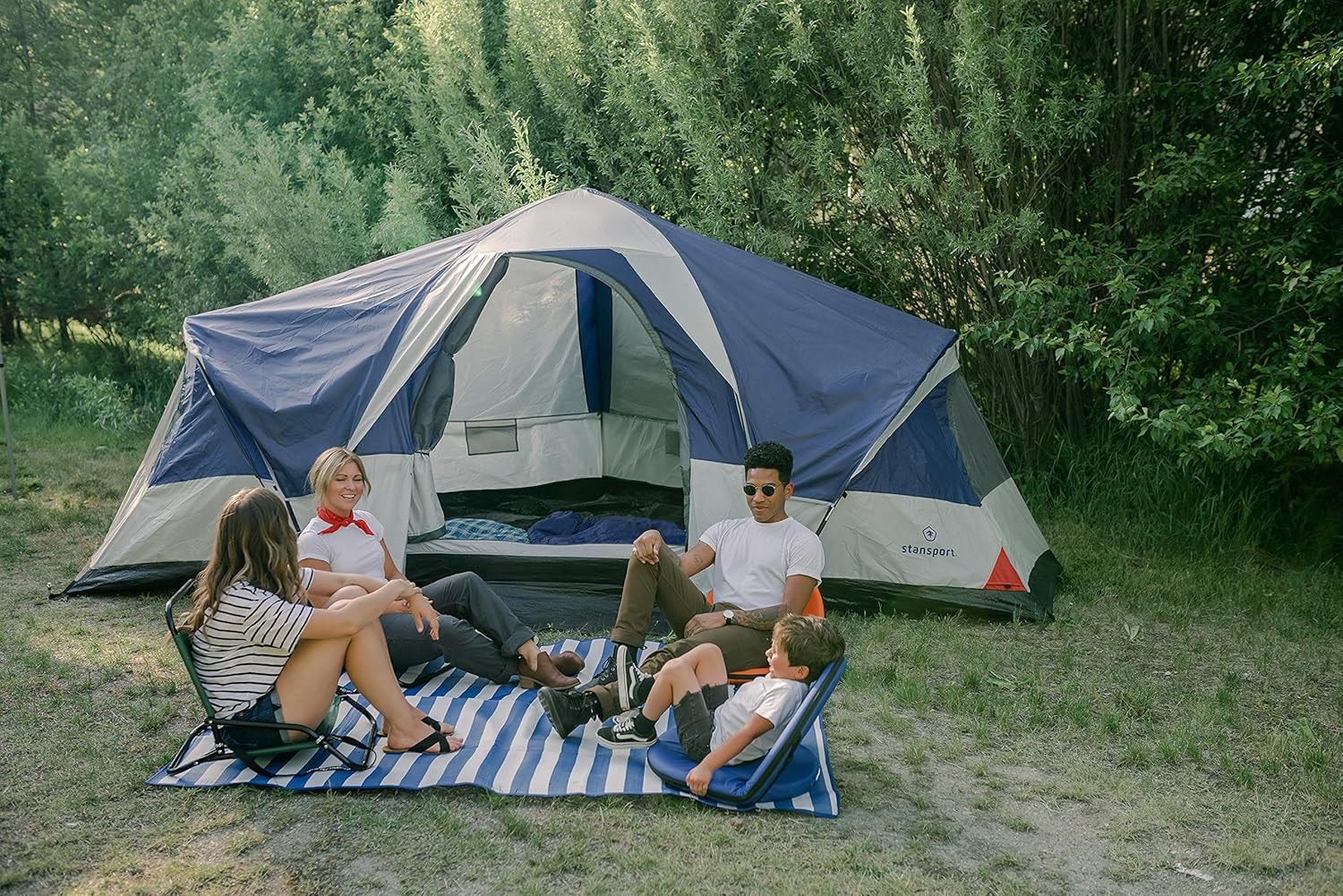
Stansport Tatami Camping Mat made out of recycled plastic straws, if you MUST have plastic ground covering
Plastic Free Cooking & Food Storage Gear
Most camping trash comes from food and kitchen gear: disposable plates, cutlery, snack packaging, and plastic bottles. Targeting this category yields the biggest immediate reduction in plastic waste.
Core Cooking Gear
- Stainless steel or cast-iron pot – handles campfire heat up to 500°C without warping or leaching
- Steel frying pan – durable, non-toxic alternative to non-stick coatings
- Enamel mugs – classic, chip-resistant, and free from plastic linings
- Stainless steel or bamboo plates – reusable plates that replace disposable options
- Bamboo or metal cutlery – bamboo offers antibacterial properties due to natural lignin content
- Wooden chopping board – lightweight, self-healing surface
- Cotton or hemp dish cloths – replace synthetic sponges and plastic-wrapped wipes
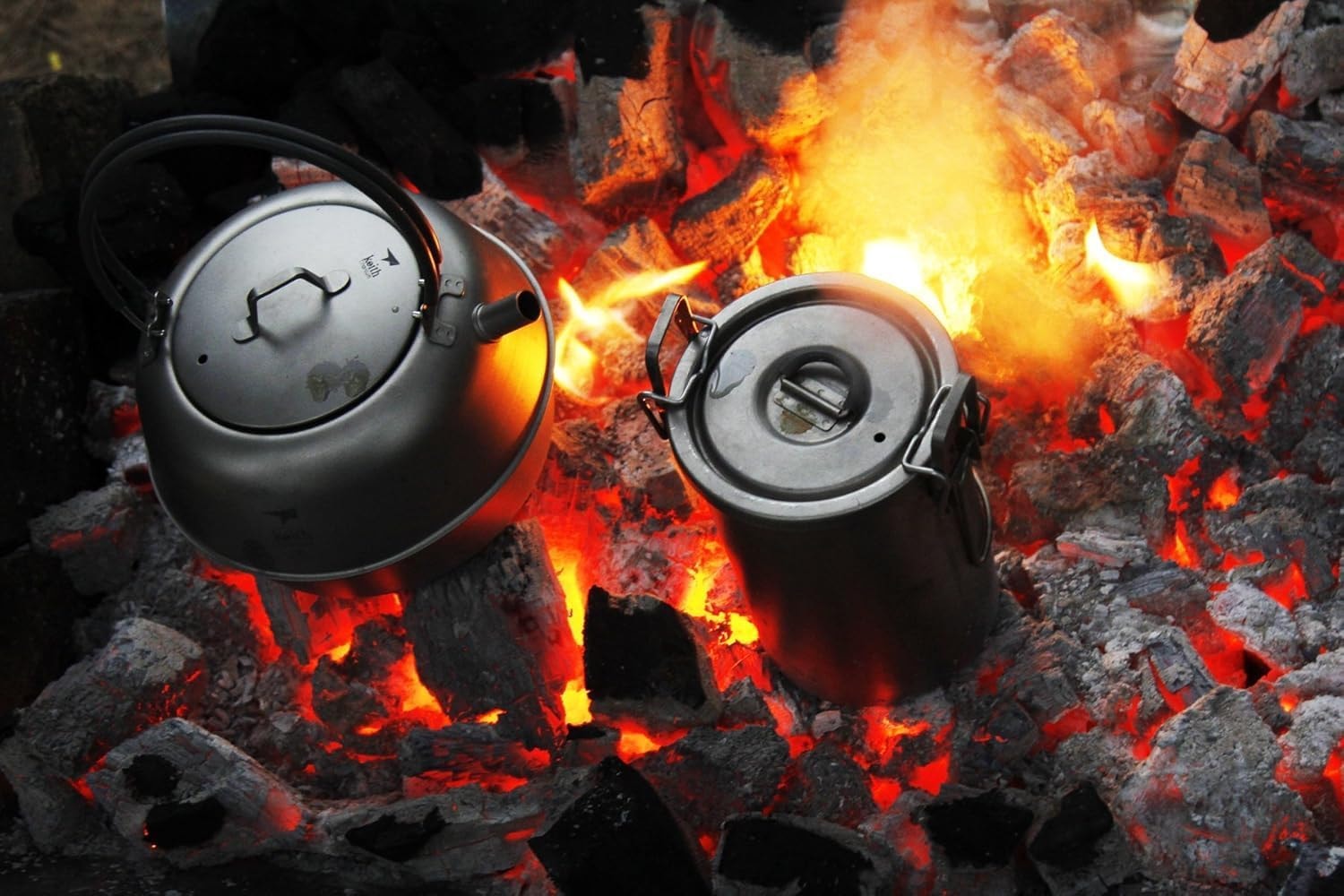
Keith Titanium. multifunctional cooker
Food Storage Solutions
- Stainless steel tiffins – stackable, leak-resistant food containers
- Glass jars with metal lids – ideal for car camping (too heavy for backpacking)
- Waxed canvas bread bags – keep baked goods fresh without plastic packaging
- Beeswax wraps – seal food for 1-2 weeks, replacing cling film; wash with cold water to maintain reusability and food freshness
- Fabric bowl covers – cotton covers tied with string for serving dishes
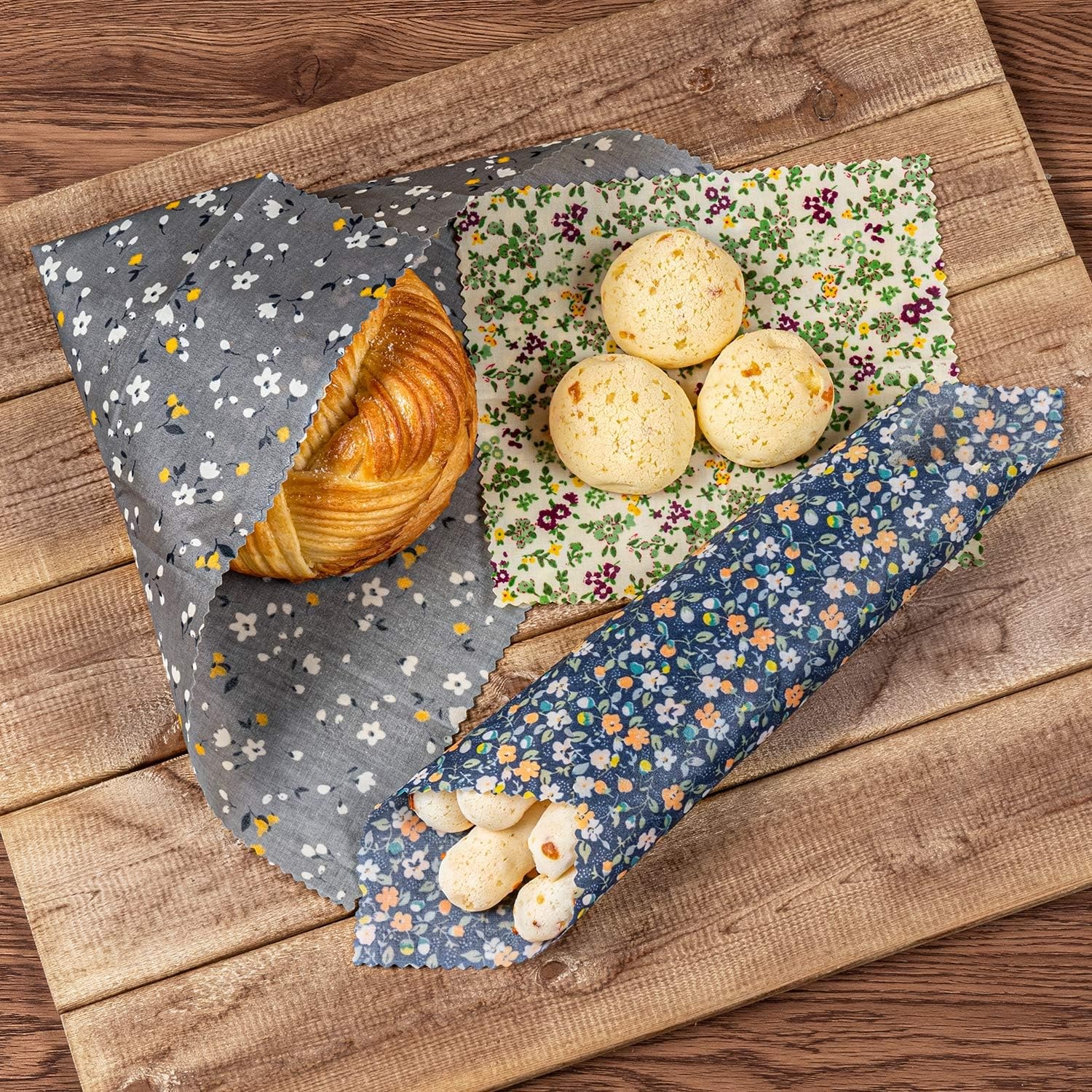
AKeeko Reusable Beeswax Foodwraps
Coffee and Tea Setup
- Metal coffee press or moka pot instead of plastic pour-over devices
- Reusable metal filter cone for drip coffee
- Loose-leaf tea in a small metal tin instead of plastic-wrapped tea bags or pods
- Insulated stainless steel flask for keeping drinks hot
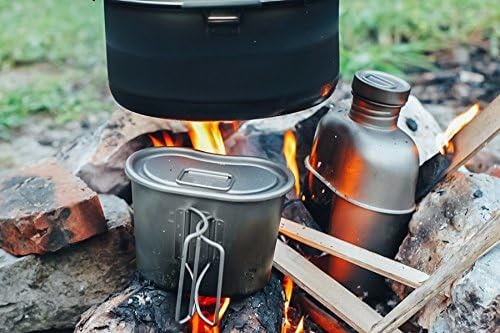
Keith Titanium. plastic free ultralight nesting mess kit, authentic leather carryall
Fuel and Stove Considerations
Gas canisters and lighter casings are typically plastic/metal hybrids. To minimize impact:
- Choose refillable liquid-fuel stoves over disposable canister systems
- Bring a metal refillable lighter or matches in a metal tin
- Recycle empty canisters properly (many outdoor retailers accept them)
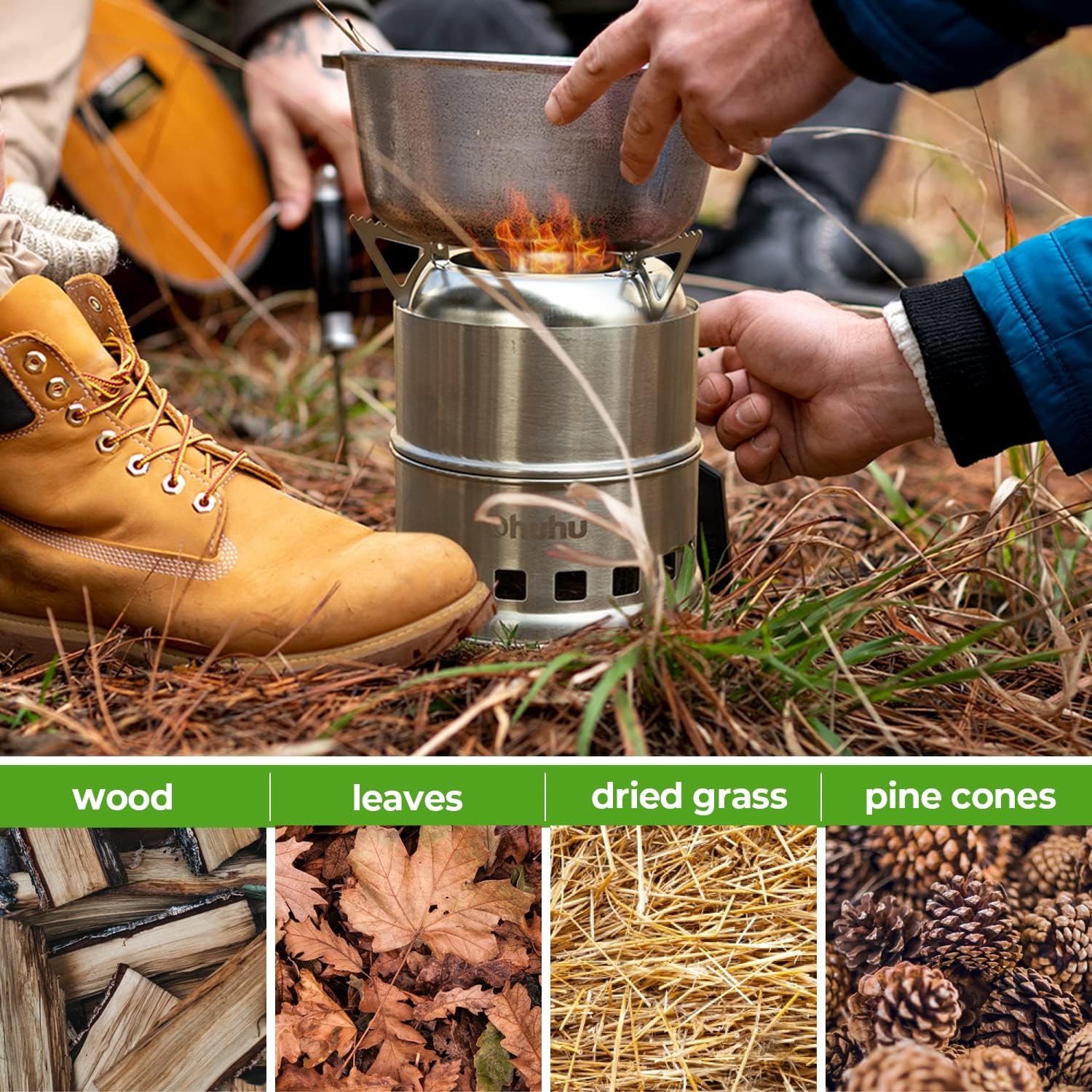
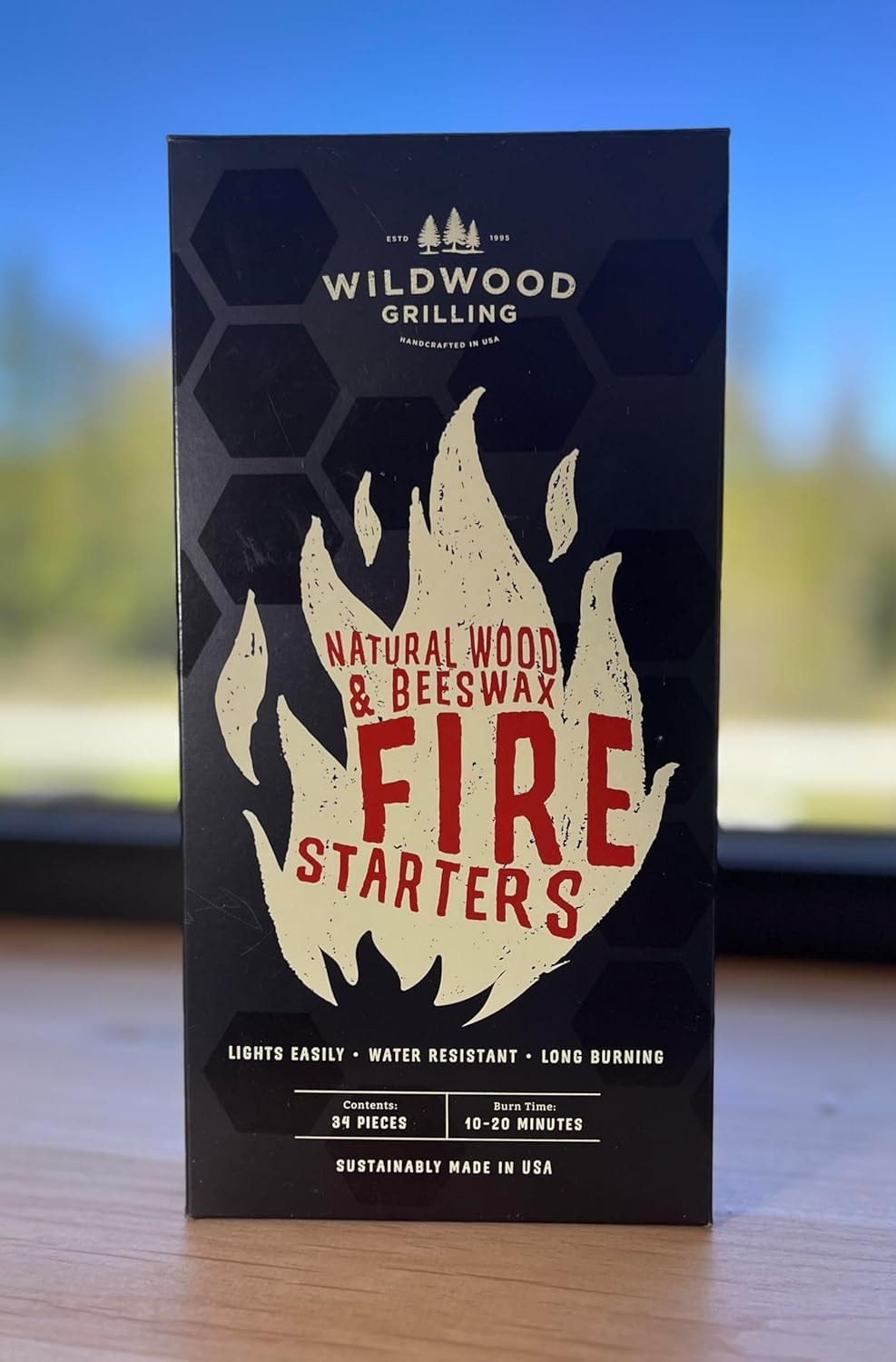
Wildwood Grilling Store natural wood and beeswax firestarters, sustainably made
For A Selection Of Plastic Free Lighters and Reusable Flame Starter
Typical Plastic Item | Plastic Free Alternative |
|---|---|
Plastic plates | Enamel or stainless steel plates |
Disposable cutlery | Bamboo or metal cutlery set |
Plastic food containers | Stainless steel tiffins |
Cling film | Beeswax wraps |
Plastic water bottles | Stainless steel bottles |
Ziplock bags | Waxed canvas pouches |
Plastic cooler liners | Cotton towels, paper bags |
Synthetic sponge | Coconut fiber scrub brush |
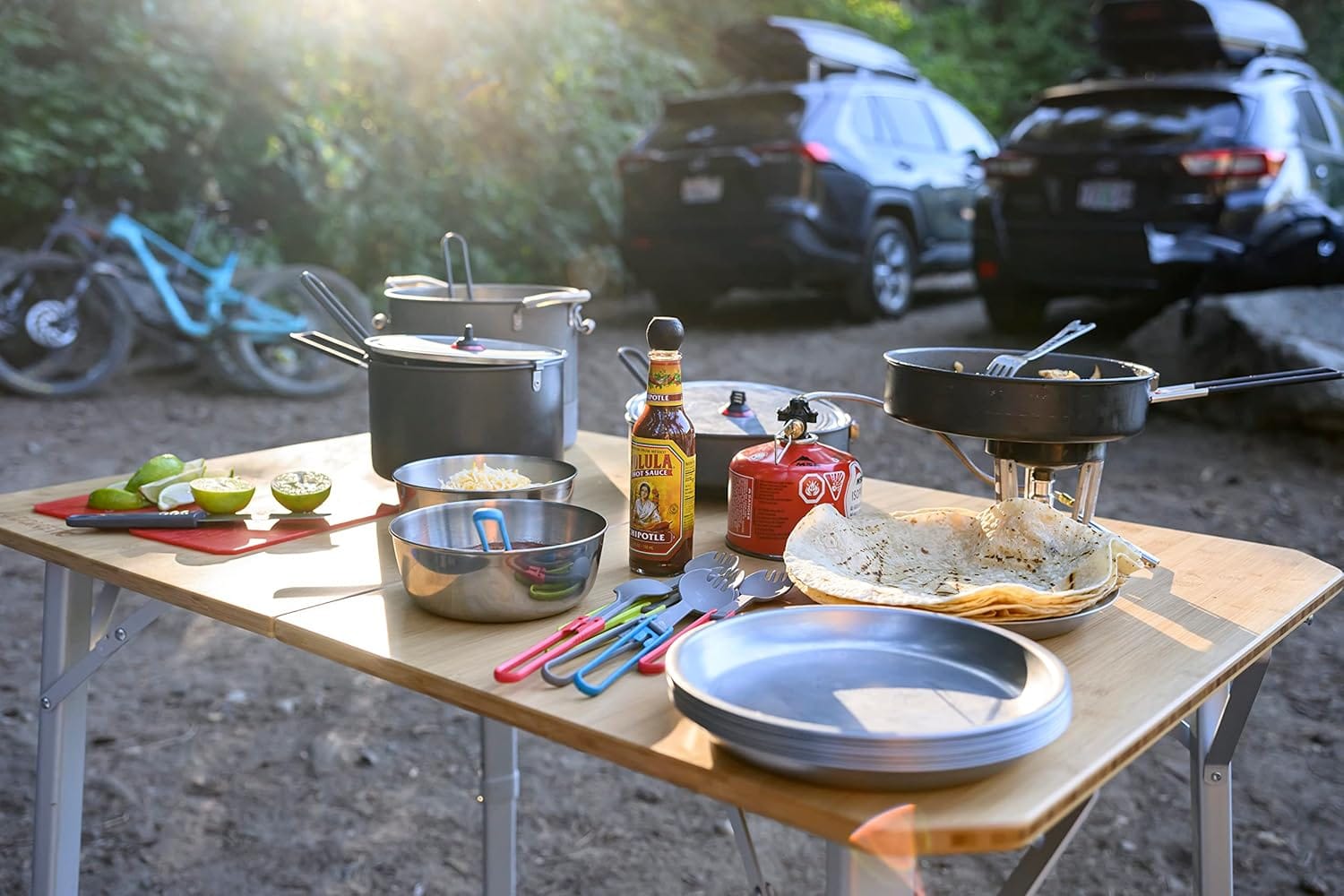
MSR Alpine Stainless Steal Plates. compare with Onader Steal Plates
Meal Planning to Avoid Plastic
Planning the course of your meals and waste management for multi-day trips is essential for maintaining environmental integrity and minimizing waste. Planning 2-3 days of meals before leaving reduces last-minute purchases wrapped in plastic packaging. Planning your meals in advance also helps reduce plastic waste by allowing you to bring fresh produce in reusable containers. Here’s an example 3-day summer camping menu:
Day 1:
- Breakfast: Oats from bulk bin (stored in glass jar), fresh fruit from farmers’ market
- Lunch: Bakery bread in paper, cheese cut from wheel wrapped in paper, loose vegetables
- Dinner: Pre-made chili (frozen in stainless steel container at home, acts as ice pack.
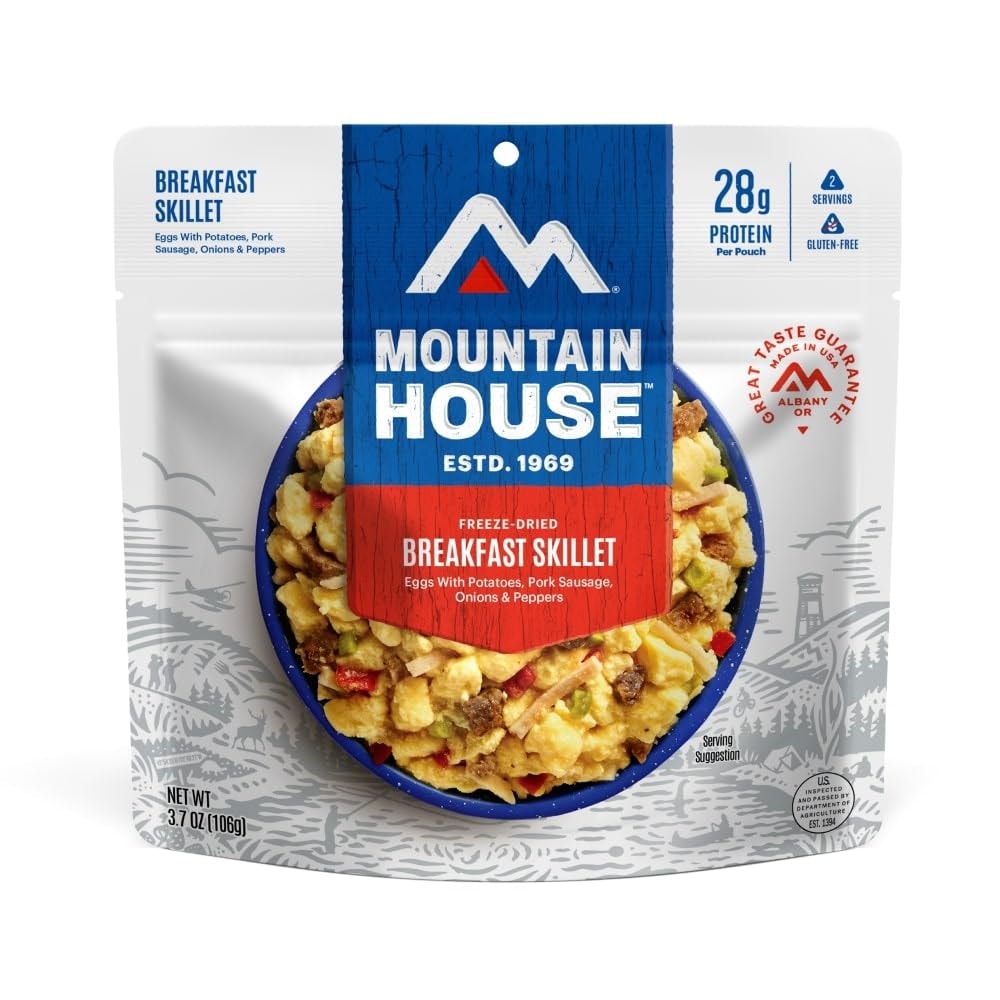
Mountain House Store. completely plastic free pouches, check out their Awesome Selection
Day 2:
- Breakfast: Eggs from cardboard carton, bread toasted over fire
- Lunch: Hummus (homemade, in glass jar), vegetable sticks, crackers from bulk
- Dinner: Pasta from bulk bin, sauce made from tinned tomatoes (steel cans recyclable)

BambooMN Store. lightweight organic bamboo camping mess
Day 3:
- Breakfast: Pancakes (dry mix prepared at home in cotton bag), maple syrup in glass bottle
- Lunch: Leftover pasta, fresh fruit
- Dinner: Grilled vegetables, rice from bulk bin
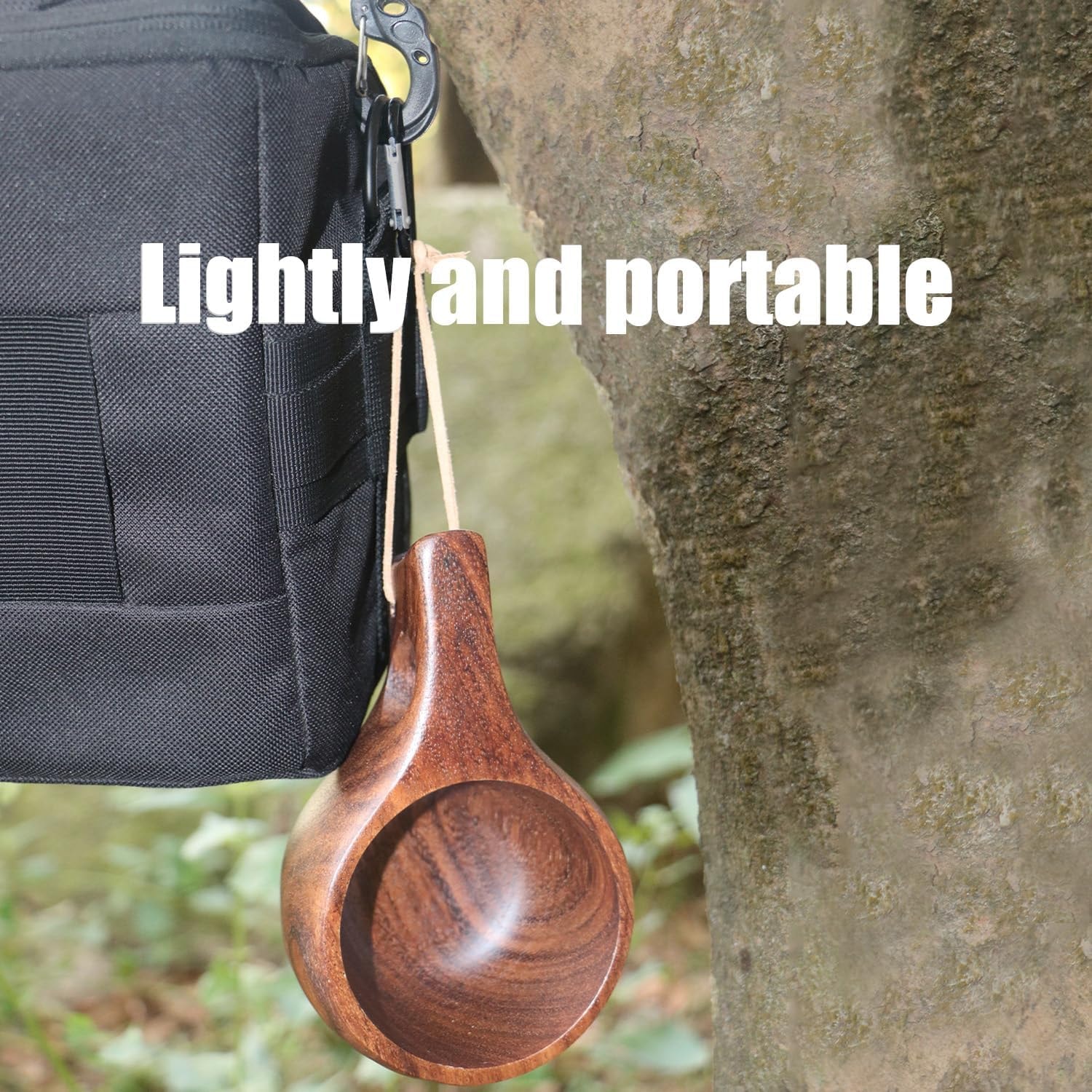
Flimjibg Store** natural wood camping coffee mug on string with carribeaner**
Shopping tips:
- Buy from bulk bins into your own reusable containers
- Choose bakery bread in paper bags
- Buy cheese cut from the wheel, wrapped in paper
- Pick produce loose, not pre-bagged
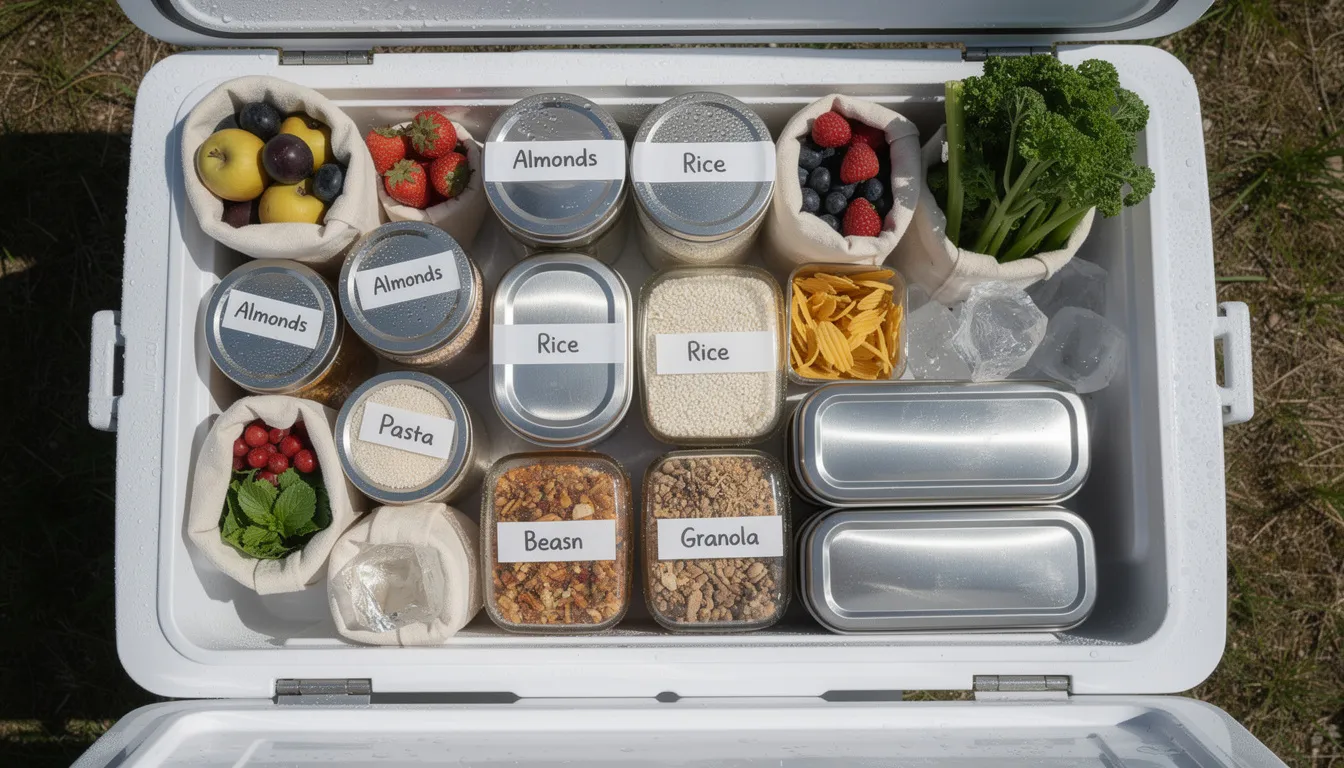
- Pre-portion snacks like nuts, dried fruit, and trail mix into cotton bags or metal tins
Prepping and freezing meals in stainless or glass at home serves double duty—they act as ice packs in your cooler while keeping food fresh.
Hydration: Water, Coffee, and Cold Drinks Without Plastic
Water is often the biggest source of single use plastic on camping trips. A typical camper might go through 6-9 plastic water bottles over a 3-day weekend. Switching to reusable containers eliminates this waste entirely.
Base Camp Water Setup
- 1-2 large stainless steel jerry cans (5-10L capacity) for base camp water storage
- Glass-lined dispensers for car camping luxury
- Individual stainless steel bottles or enamel canteens for day hike use
A 7-gallon reusable water jug provides enough water for 2 people over 3 days, slashing the need for single-use bottles.
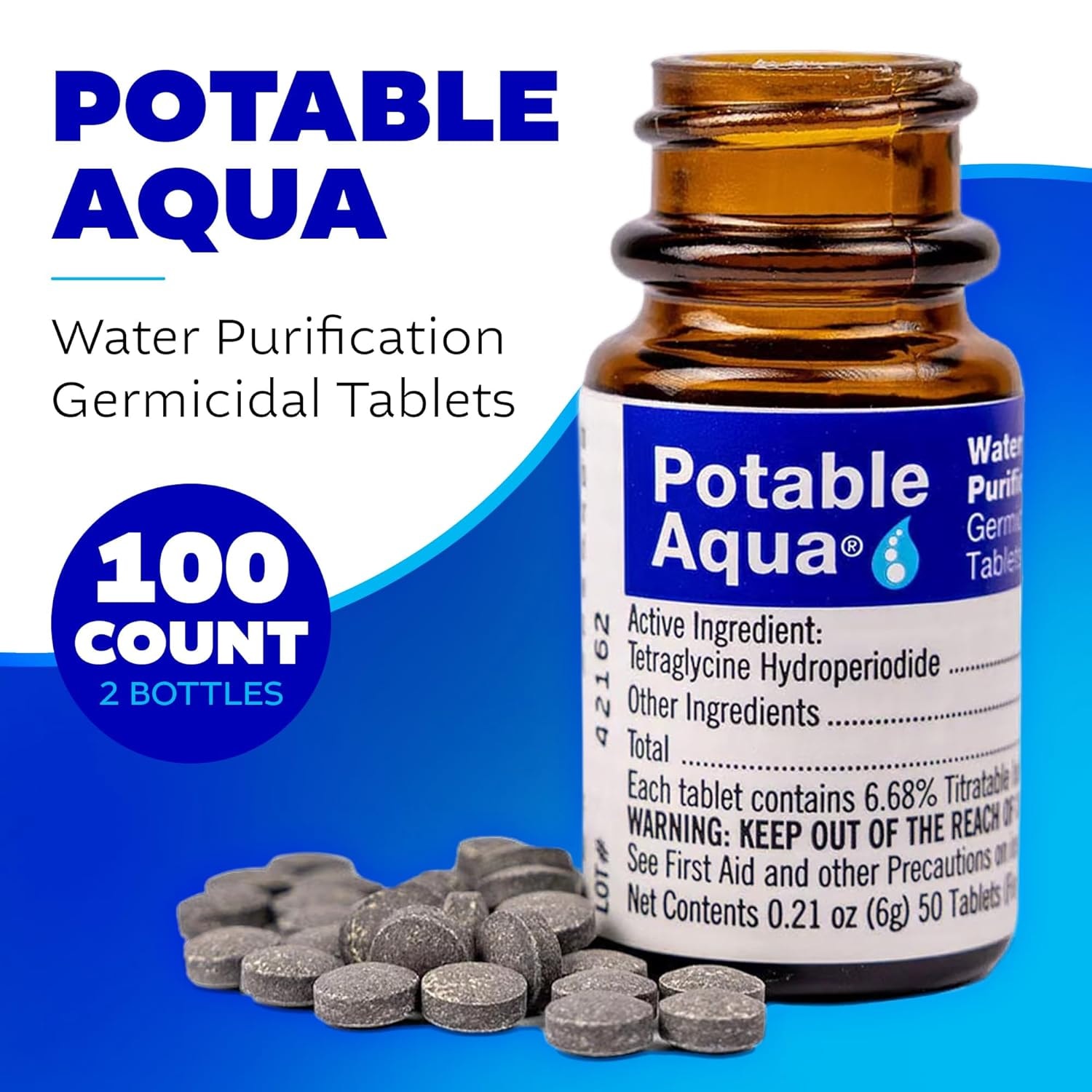
Potable Aqua Store 2 glass bottles with metal caps
Water Treatment Options
For backcountry trips where you need to treat water:
- Metal or ceramic gravity filters (like those with replaceable ceramic elements)
- Pump filters with replaceable cartridges
- Boiling in your stainless steel pot
Choose systems designed for longevity where you replace filter elements, not the entire unit. This minimizes plastic waste over time while ensuring safe drinking water.

NITECORE Store rechargeable lightweight headlamp, though NOT plastic free is minimalistic
Ice Management
- Stainless steel ice blocks (freeze at home, reuse indefinitely)
- Frozen water in reused glass bottles (where safe from breakage)
- If you must buy ice bags, reuse them as durable trash bags during and after the trip
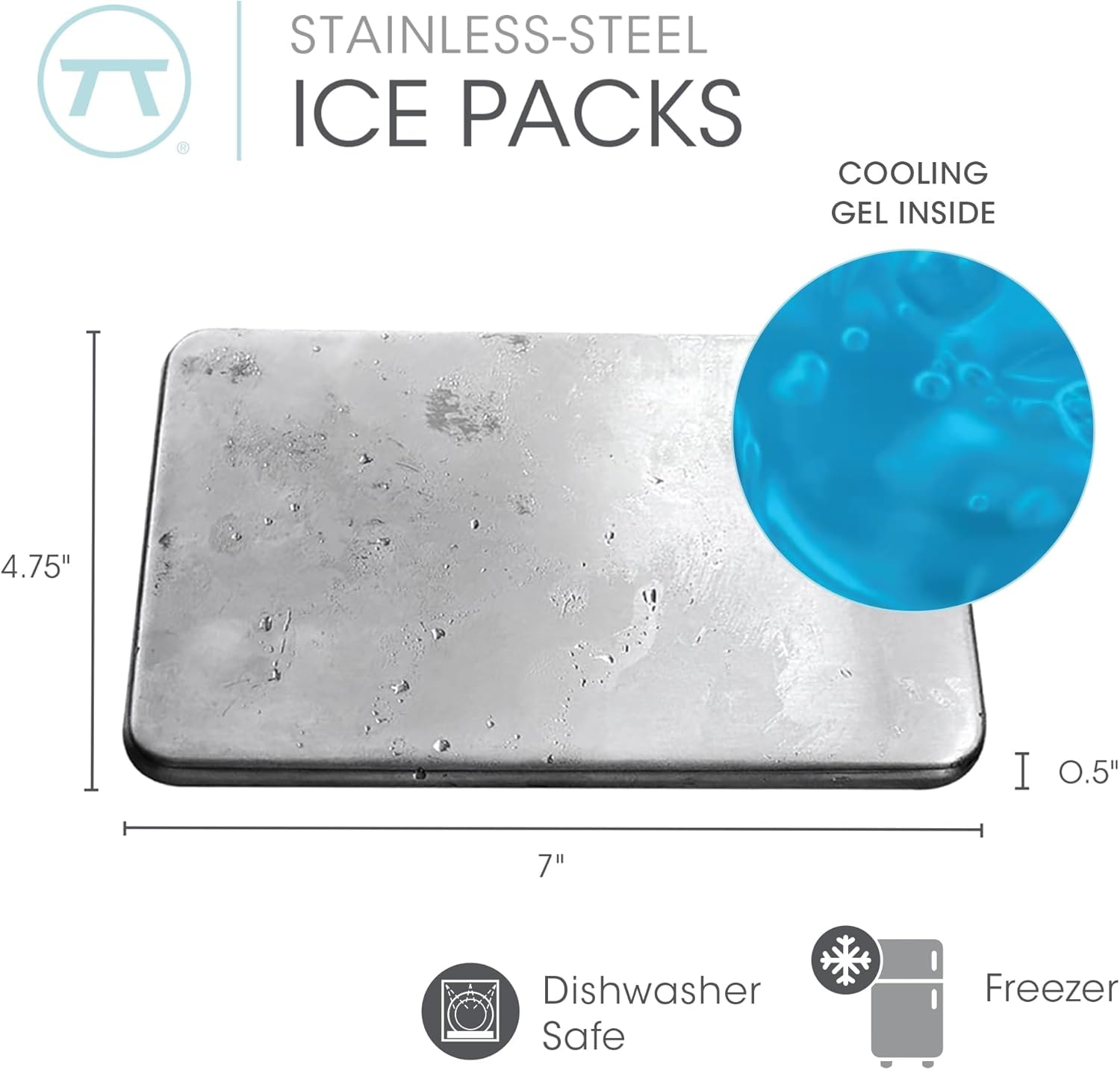
Outset Store. set of 2 stainless steel travel ice packs
Hot Drinks on the Go
- Insulated stainless steel flask for hot coffee or tea
- Bring your own metal or enamel mug to roadside stops instead of accepting plastic-lined disposable cups
- Pre-brew coffee at camp into your flask for the day’s hike
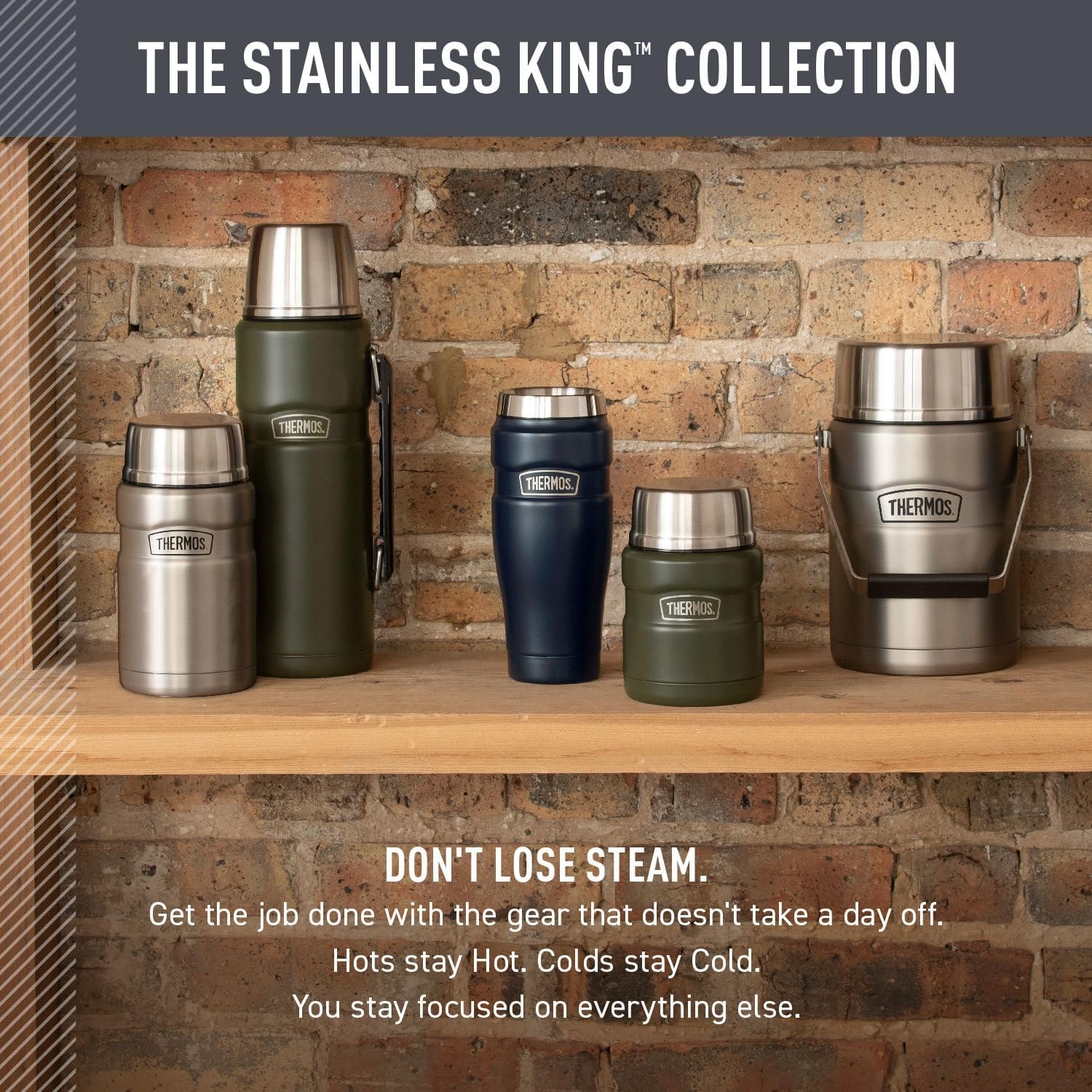
Ttermos Store. stainless steal vacuum insulated travel tumblers
Toiletries, Cleaning, and First Aid – Low Plastic and Biodegradable
Tiny plastic bottles and single-use wipes add up quickly and often get left behind at campsites. Switching to solid, zero waste alternatives dramatically reduces your environmental footprint.
For Plastic Free Personal Hygiene Options Go Here
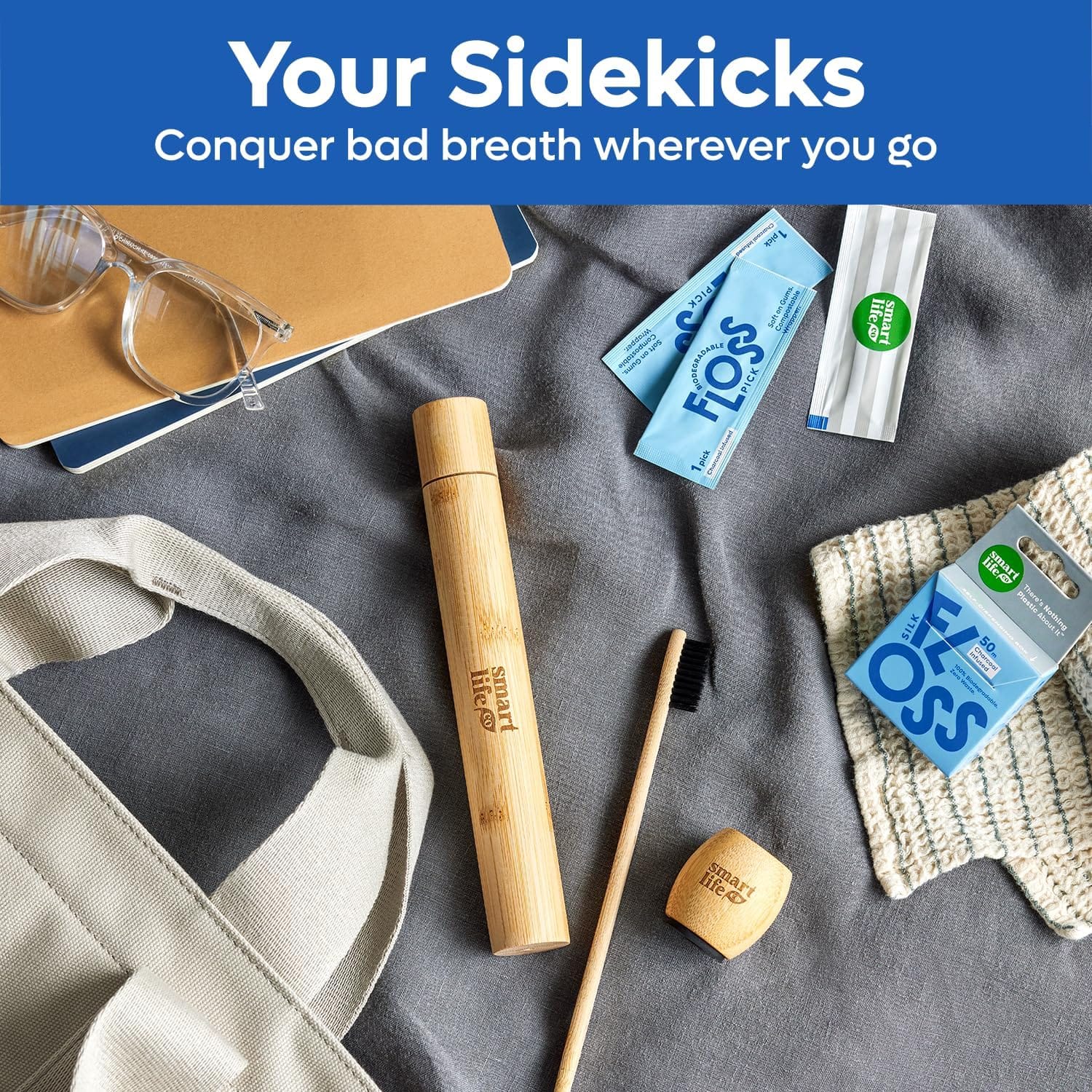
SmartLifeCo. bamboo toothbrush & travel case
Plastic Free Toiletries
- Solid bar soap – one bar replaces multiple liquid soap bottles
- Shampoo and conditioner bars – last 60-80 washes, no plastic bottles
- Metal or bamboo safety razor – replaces disposable plastic razors
- Bamboo toothbrush – compostable handle (remove nylon bristles for disposal)
- Toothpaste tabs in glass jar or metal tin – no plastic tubes
- Metal dental floss dispenser with silk floss
- Natural deodorant in cardboard tube or tin
When choosing plastic free toiletries, opt for cruelty free personal care products to ensure your selections are both ethical and eco-friendly.
For Plastic Free Camping Dish Soap Ideas Go Here
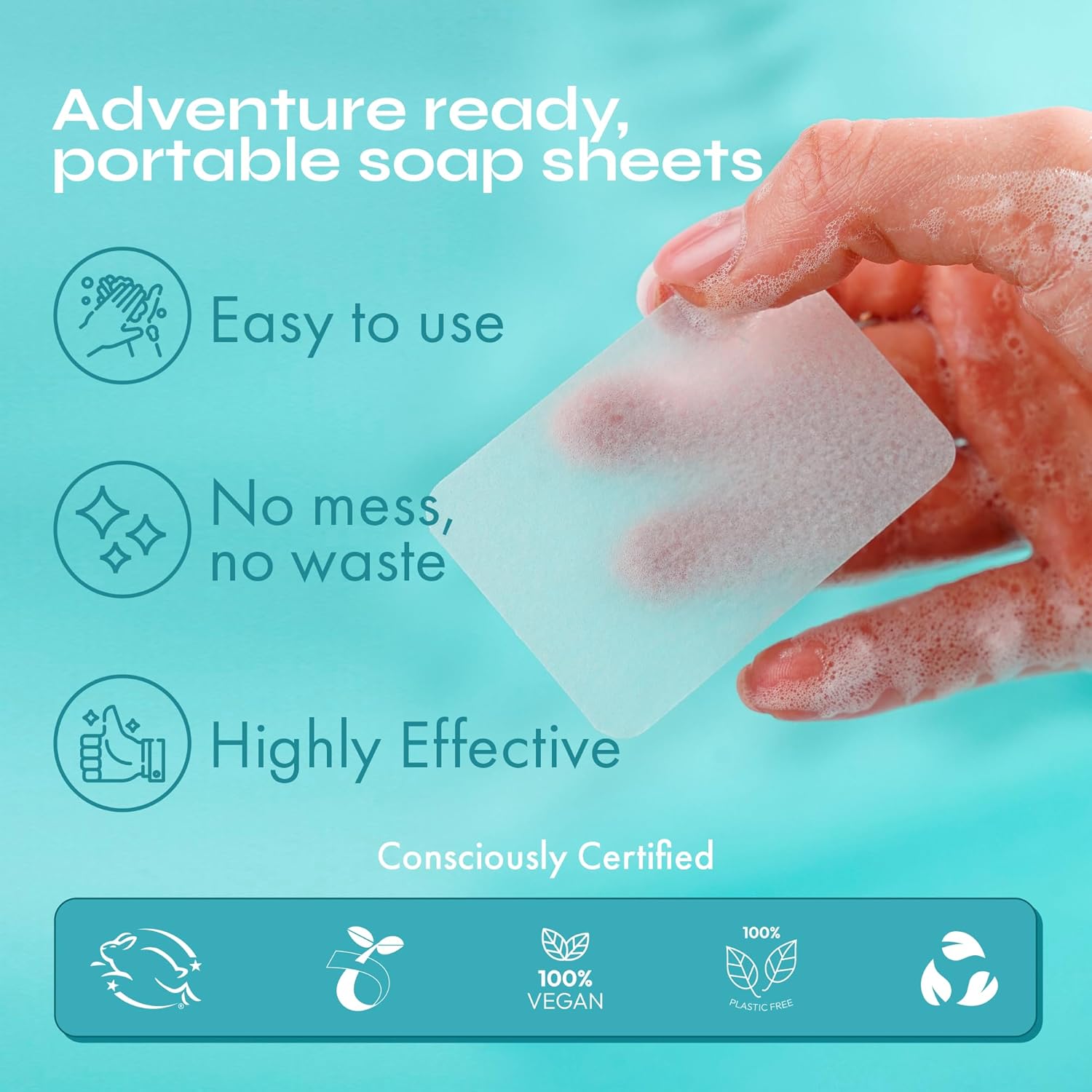
FOMIN. Store. paper soap sheets, biodegradable, entirely plastic free
Eco-Friendly Cleaning
- Biodegradable solid dish soap bar – products like Sea to Summit Trek & Travel break down via microbial action in 28 days
- Wooden or coconut-fiber scrub brush – replaces plastic dish brushes
- Cotton dish cloths – super easy to wash and dry at camp
- Small metal spray bottle for diluted cleaning solution
- Beeswax wraps – wash with cold water to maintain their longevity and effectiveness; avoid hot water to preserve the wraps' reusability and food freshness
Important: Never use any soap—even biodegradable soap—directly in lakes or rivers. Carry water at least 60-70 meters away from water sources before washing dishes or yourself. Biodegradable means the soap breaks down eventually, not that it’s safe for aquatic life to contact directly.
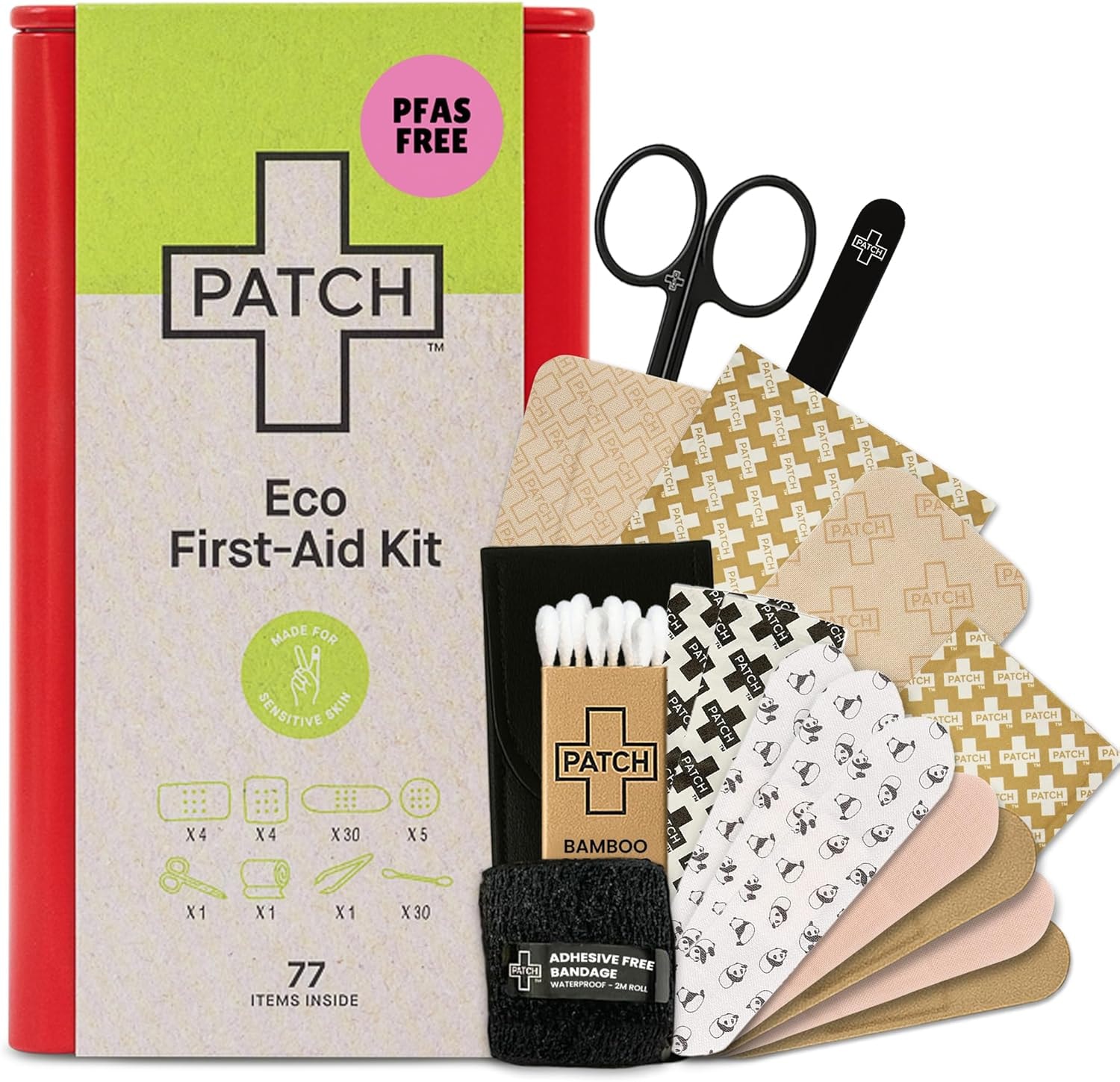
PATCH Store. eco mini first aid kit with bamboo biodegradable bandages in reusable tin
First Aid Kit
- Use a metal tin or cloth roll-up kit instead of plastic cases
- Choose fabric bandages where possible
- Refill from bulk supplies rather than buying many small plastic-wrapped travel kits
- Store medications in small glass vials or metal tins
Do: Use solid bar products, bring cloth wipes, pack a repair-and-refill first aid kit
Don’t: Bring wet wipes, microbead scrubs, or single-use hotel minis
Waste and Human Waste Management Gear
A simple, low-plastic waste system works well for most camping trips:
- Sturdy reused feed sack or old dry bag for trash
- Separate paper bag or cardboard box for recyclables
- Metal or compostable container for food scraps (if facilities exist for proper composting)
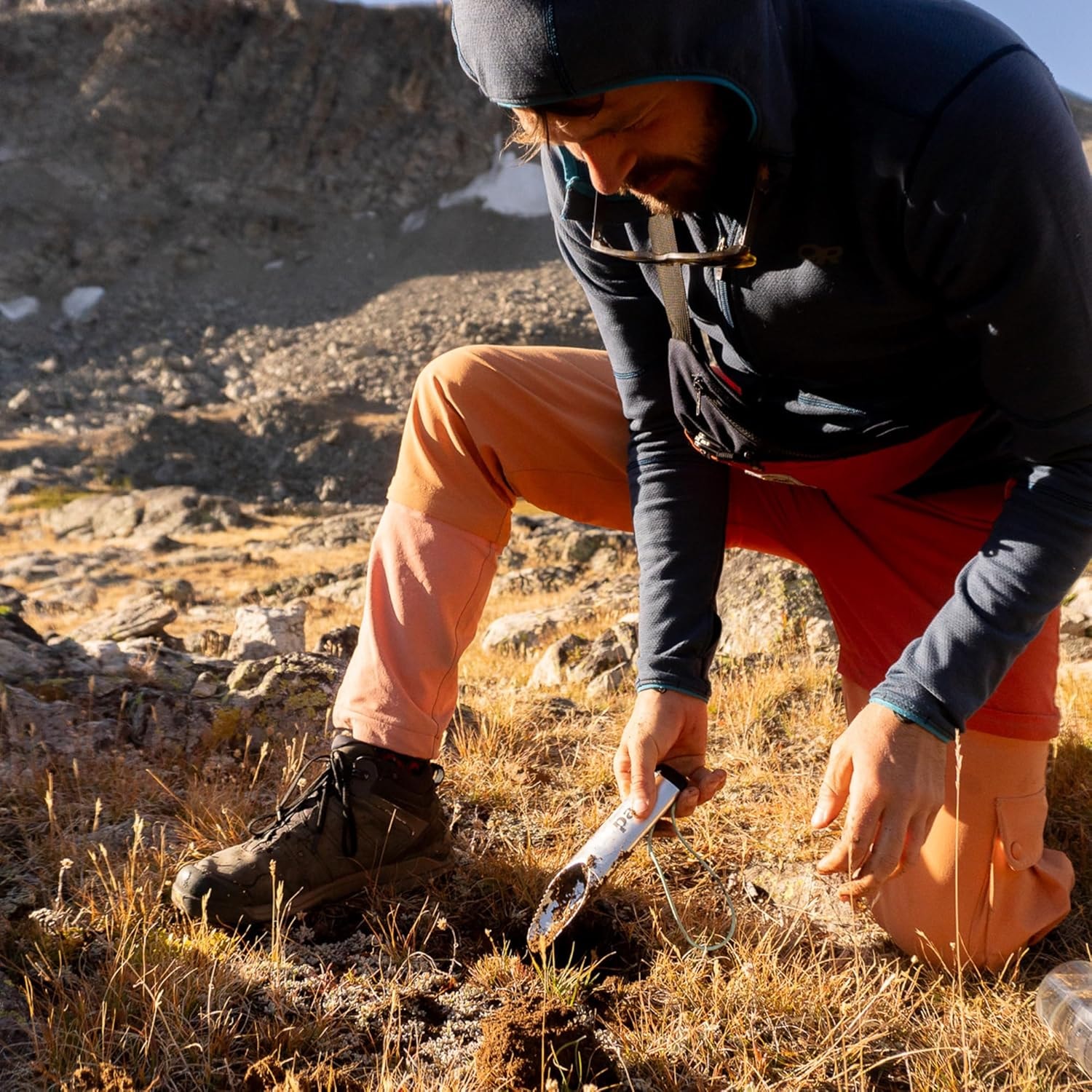
PACT. lightweight aluminum backpacking shovel
For backcountry toilet needs:
- Lightweight metal or wooden trowel for digging cat holes
- Toilet paper in a paper sleeve or metal tin
- Dedicated sealable metal container for packing out used paper where regulations require
For menstrual products, pack out in a small metal or opaque reusable container. Plastic free options include organic cotton pads, menstrual cups (technically silicone, but reusable for years), or period underwear.
For Plastic Free, Completely Biodegradable Menstrual Products Go Here
Always check local regulations regarding cat holes versus pack-out policies, and follow Leave No Trace principles for all waste.
Clothing and Packs: Natural Fibres and Long-Life Gear
While synthetic materials dominate outdoor clothing, it’s possible to prioritize natural materials and recycled materials to cut plastic impact significantly.
For Entirely Plastic Free Long Underwear Go Here
Practical Clothing Materials
- Merino wool base layers – naturally odor-resistant, temperature-regulating
- Organic cotton T-shirts – comfortable for moderate activity
- Hemp shirts – durable, breathable, UV-resistant
- Wool jumpers – excellent insulation, naturally fire-resistant
- Linen shorts or trousers – ideal for warm-weather camping
- Wool socks – moisture-wicking, blister-preventing
- Leather or partly leather boots with repairable soles
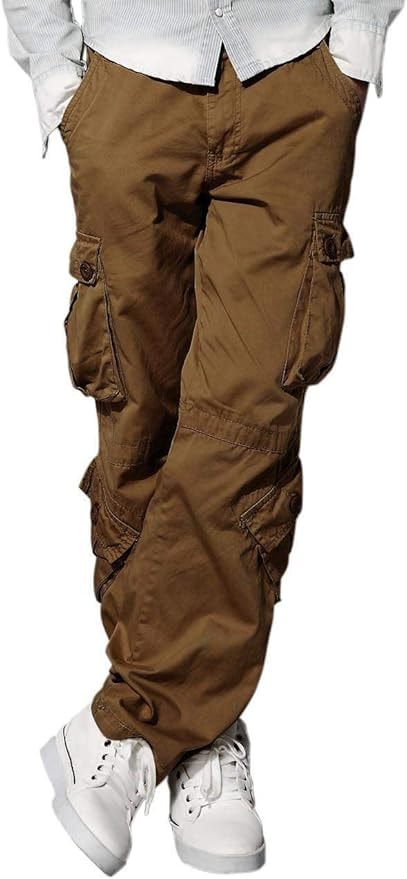
Match Store. 100% cotton cargo hiking pants
Outer Layers
For shoulder-season protection:
- Waxed cotton jackets – naturally water-resistant, repairable, improve with age
- Wool mid-layers – warm even when damp
When it’s reasonable to use existing synthetic rain gear: if you already own a synthetic rain jacket, continue using it while avoiding constant gear upgrades. The carbon footprint of manufacturing new “eco” gear often exceeds simply using what you have.
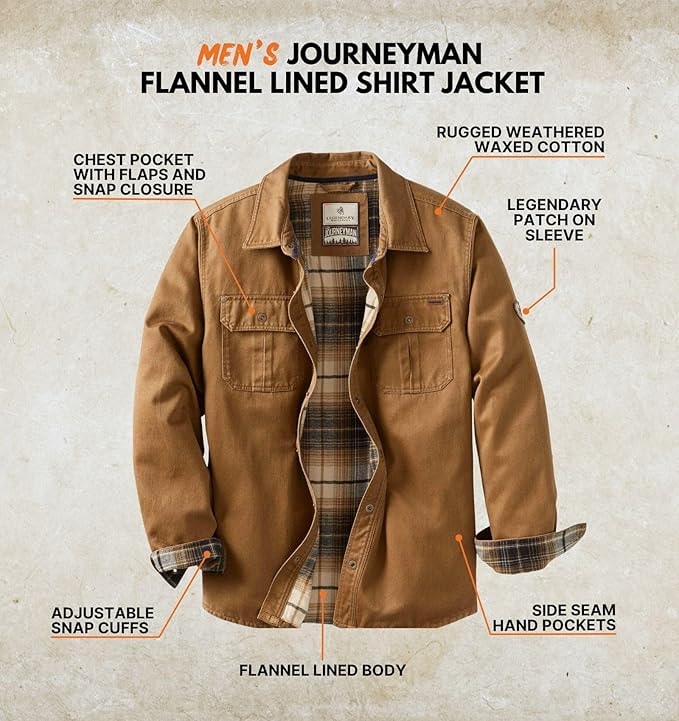
Whitetails Legendary Waxed Cotton Flannel Jacket
Backpack Options
- Canvas and leather packs with metal hardware – durable for decades with proper care
- Recycled synthetic packs that you repair, not replace – minimizes new plastic production
- Look for packs with metal buckles, zippers, and natural webbing where available
Accessories
- Wool hats instead of synthetic fleece
- Cotton buffs instead of polyester neck gaiters
- Wooden-handled trekking poles with aluminum shafts
- Reusable rain capes instead of PVC ponchos
Kids and Pets: Special Considerations
Setting up plastic free or reduced-plastic kits for children:
- Metal lunch boxes instead of plastic containers
- Stainless steel water bottles (kid-sized, 350-500ml)
- Wooden toys for campsite play
- Cotton hammocks or camp chairs
- Natural-fiber hats and clothing (wool, cotton, linen)

MSR Alpine Stainless Steel Bowl
For pets:
- Metal food and water bowls
- Rope leashes with metal clips
- Cotton or hemp collars
- Store kibble in metal or glass containers instead of plastic tubs
Safety note: Ensure all natural materials are sturdy and not splinter-prone. Choose hardware that can withstand real outdoor wear, especially for active dogs or energetic kids.
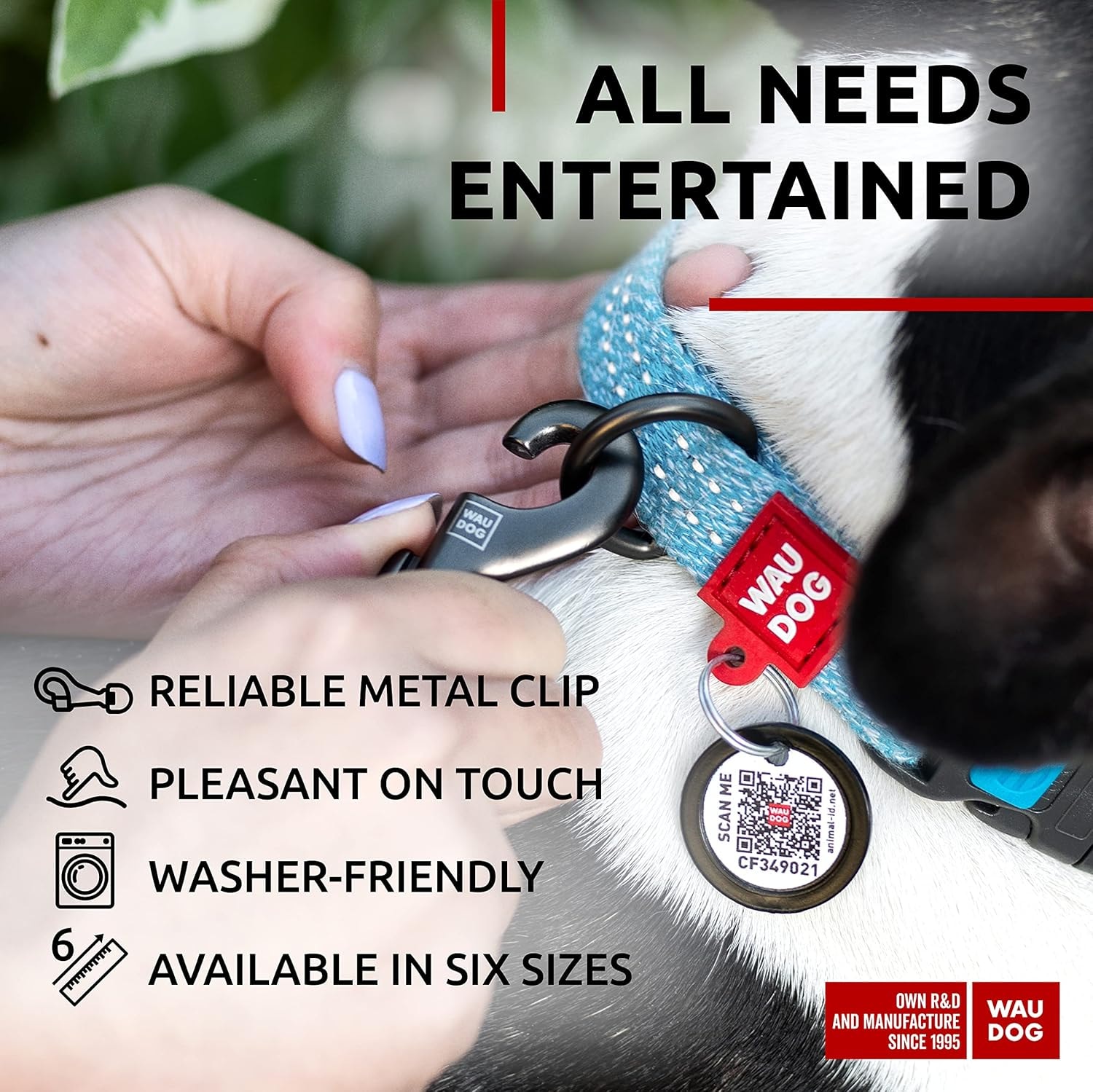
WAUDOG. recycled cotton dog leash
Buying, Maintaining, and Repairing Plastic Free Camping Gear
The most sustainable gear is what you already own. Before any purchase, consider whether you can borrow, repair, or buy second-hand.
Priority Order for Acquiring Gear
- Borrow first – ask friends, family, or local outdoor groups
- Buy second-hand – thrift stores, online marketplaces, gear swaps (can cut costs 50-70%)
- Invest in new high-quality plastic free equipment only where genuinely needed
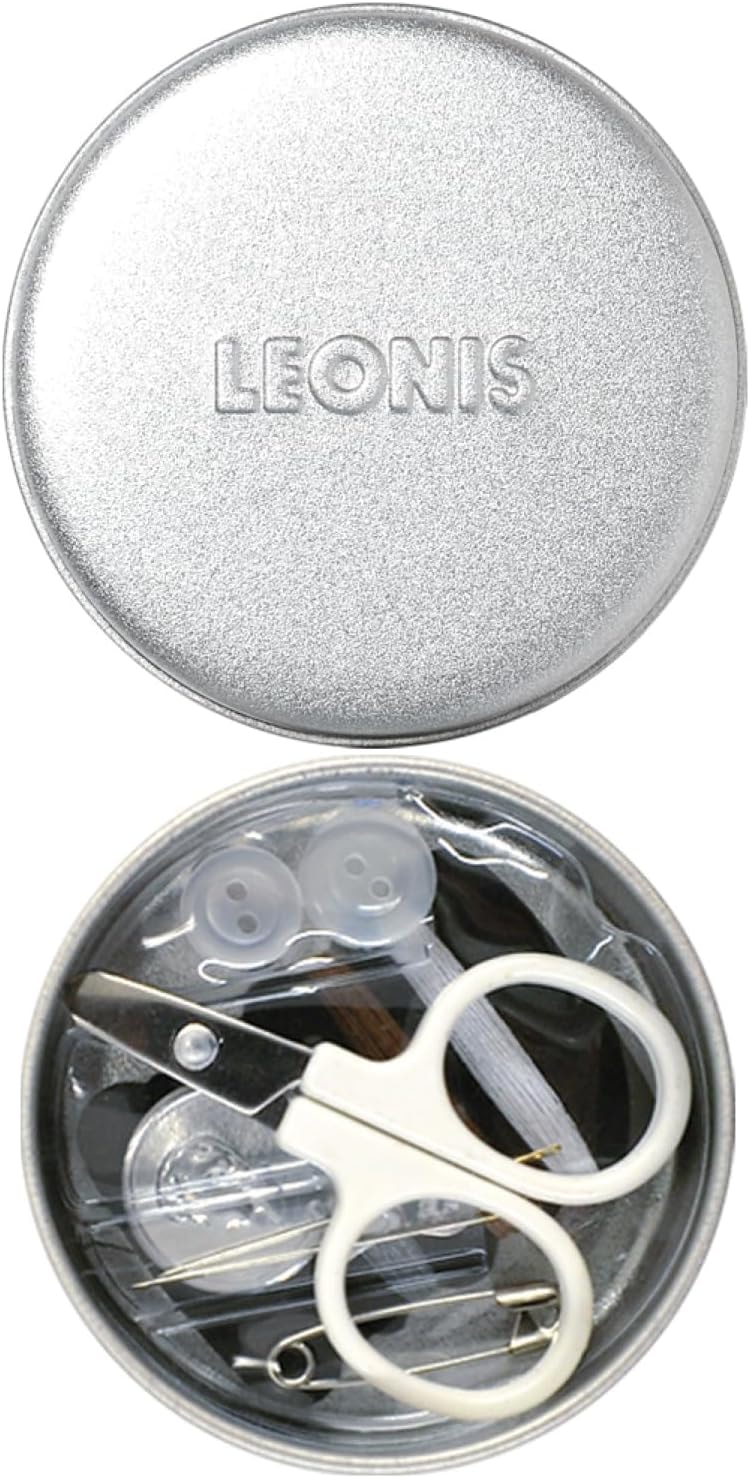
LEONIS. miniature sewing kit, though is NOT plastic free, you'd be better off creating a custom kit of your own, since all seem to include synthetic thread and assorted plastics
Basic Repair Kit Items
- Metal sewing needles (various sizes)
- Waxed thread (cotton or linen)
- Canvas patches
- Spare metal buckles
- Cordage made from natural fibers (hemp, cotton)
- Small multi-tool with knife, awl, and pliers
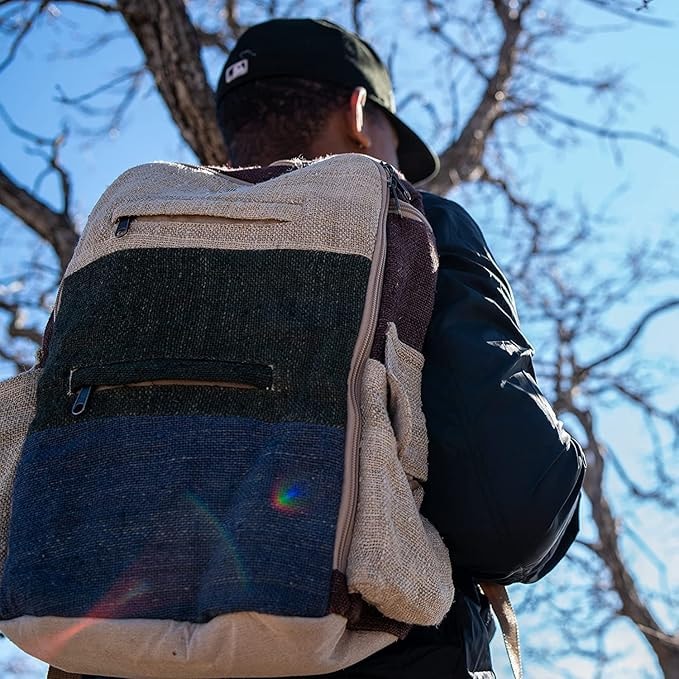
Freakmandu Collections 100% hand woven hemp, large backpack We love hemp!
Caring for Different Materials
Canvas: Re-wax annually or when water stops beading. Use a beeswax-based treatment applied with heat (hair dryer works well). Store completely dry.
Wool: Air-dry after each trip. Spot-clean rather than machine washing when possible. Store with cedar blocks to deter moths.
Leather boots: Wipe clean, let dry completely away from direct heat, then apply leather oil or conditioner. Re-waterproof with natural wax treatments seasonally.
Wooden utensils and tools: Dry thoroughly after each use, apply food-safe mineral oil or beeswax periodically to prevent cracking.
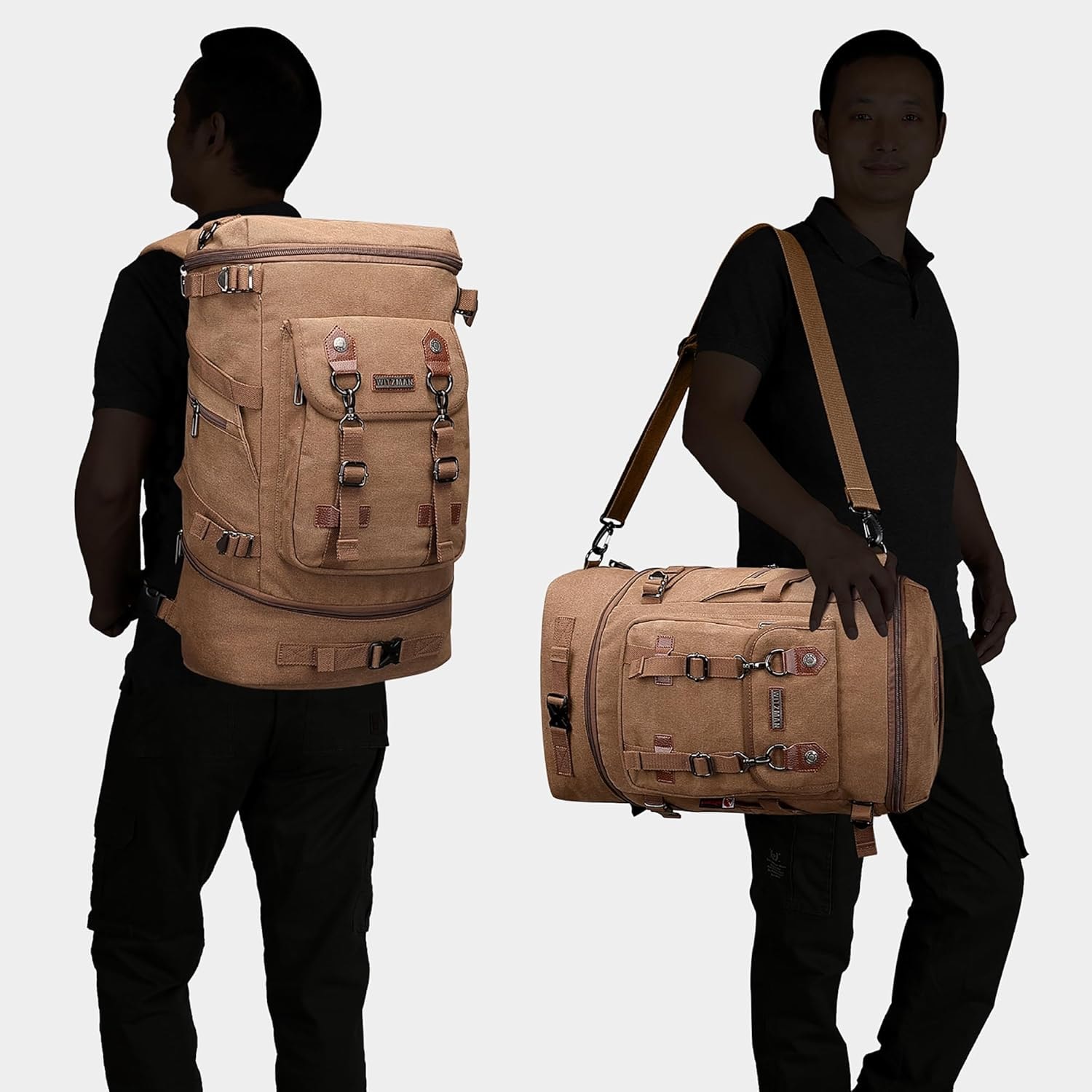
WITZMAN Store convertible canvas backpack, duffle
Post-Trip Routine
Schedule a “gear maintenance day” the weekend you return home. Start by unpacking and airing all fabric items, checking for damage or wear. Clean your cooking gear thoroughly and dry it completely before storage. Inspect canvas and leather items for areas needing re-waxing or conditioning, and address repairs while you still remember what needs fixing. Finally, store everything clean and dry, with natural materials loosely packed rather than compressed.
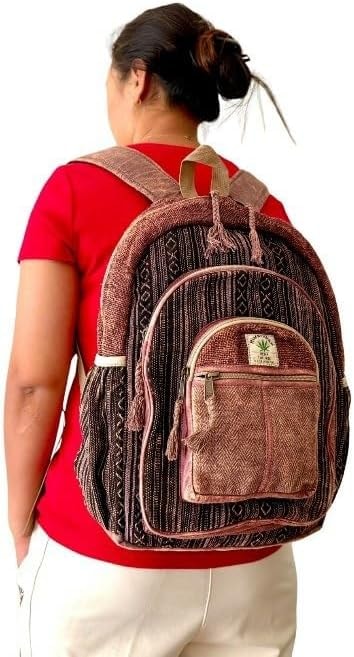
Z ZILLION CRAFT. 100% natural hemp and gheri cotton day pack
When Plastic is Hard to Avoid (and How to Handle It Responsibly)
Some gear still relies on plastic for safety or function, and that’s okay. The goal is to minimize, not achieve absolute zero in situations where safety matters.
Common examples where plastic persists:
- Headlamp casings – choose durable, rechargeable models with replaceable batteries
- Insulated cooler lids – invest in quality once, repair gaskets rather than replacing entire coolers
- Emergency whistles – small plastic item with significant safety value
- Map cases – protect paper maps, last for years with care
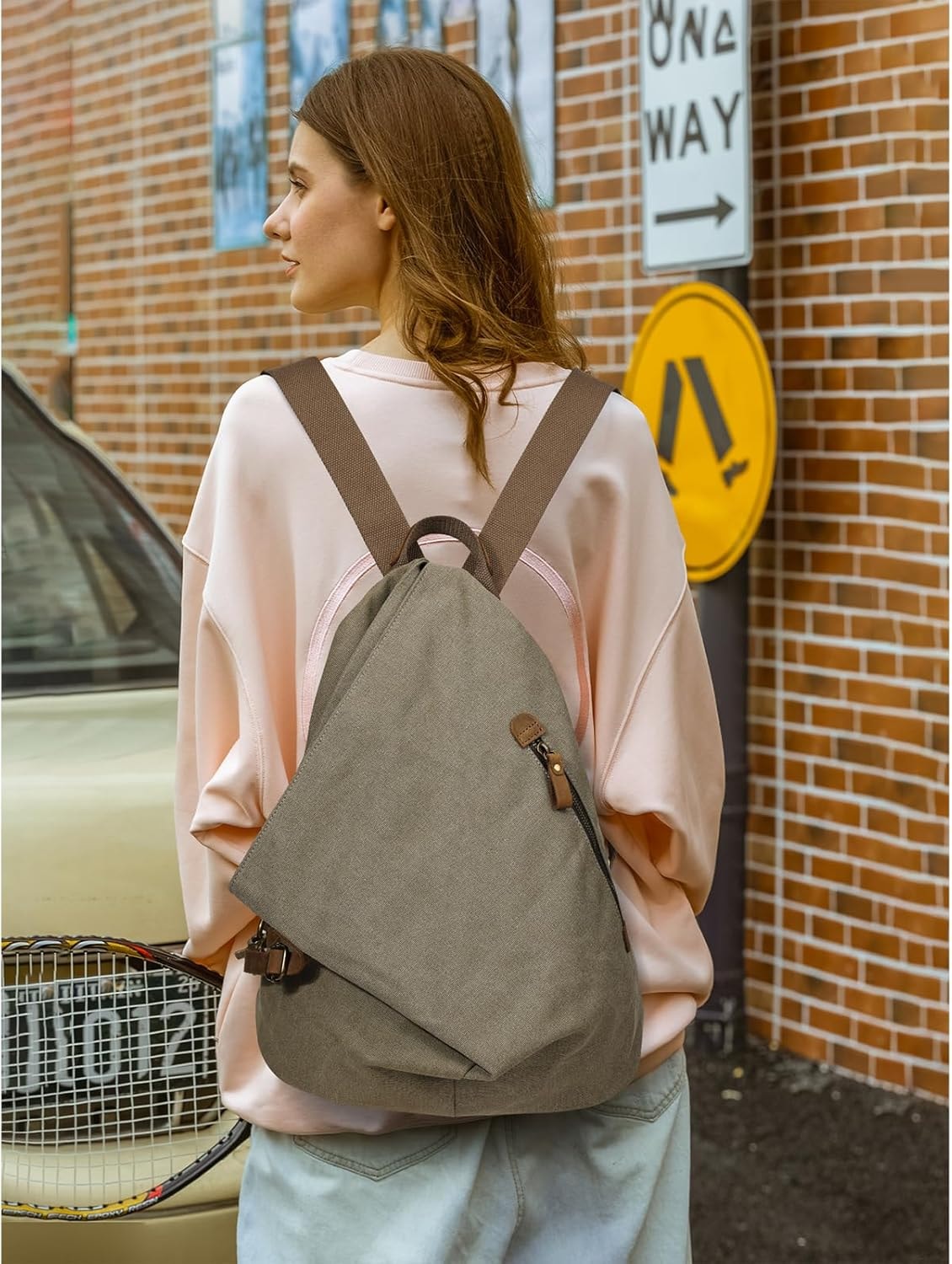
KL928 Store for even lighter excursions, vintage canvas backpack, casual daypack
End-of-life strategies:
- Check manufacturer take-back programs (Patagonia, REI, and others accept used gear)
- Attend community repair events for extending gear life
- Creative reuse: old dry bags become stuff sacks, worn tent fabric becomes patches
- Specialized recycling programs exist for some outdoor gear
Track what plastic still appears on your trips and replace those items incrementally with better options over time. This approach spreads cost and avoids the waste of discarding functional gear prematurely.
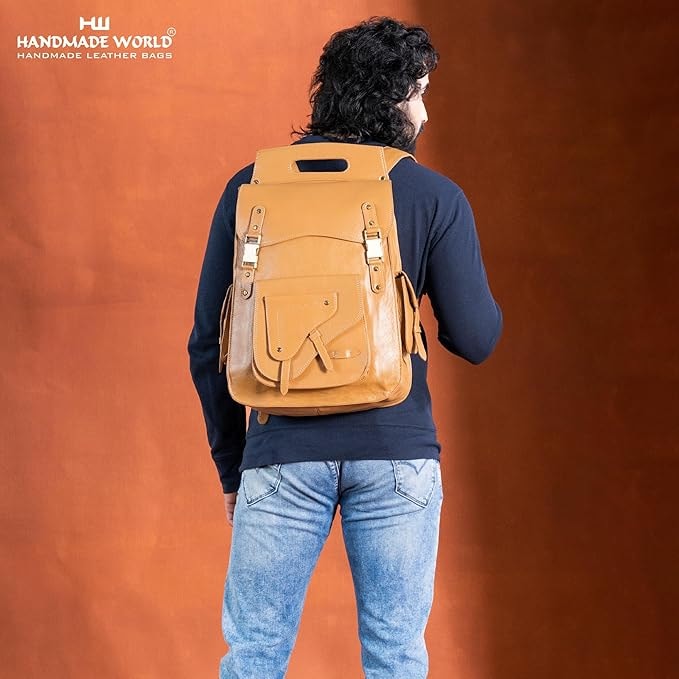
Handmade World Store. full grain leather large backpack
Plastic Free Camping Ethos: Leave No Trace and Inspire Others
Gear choices connect directly to behavior at the campsite and on trails. A plastic free camping experience extends beyond what you pack to how you act in the great outdoors.
Leave No Trace Linked to Plastic
- Pack out everything you pack in—including all food waste and food scraps
- Pick up stray plastic trash even if it isn’t yours
- Avoid burning rubbish (plastic releases toxic fumes and doesn’t fully combust)
- Minimize new purchases for each trip by maintaining and repairing existing gear
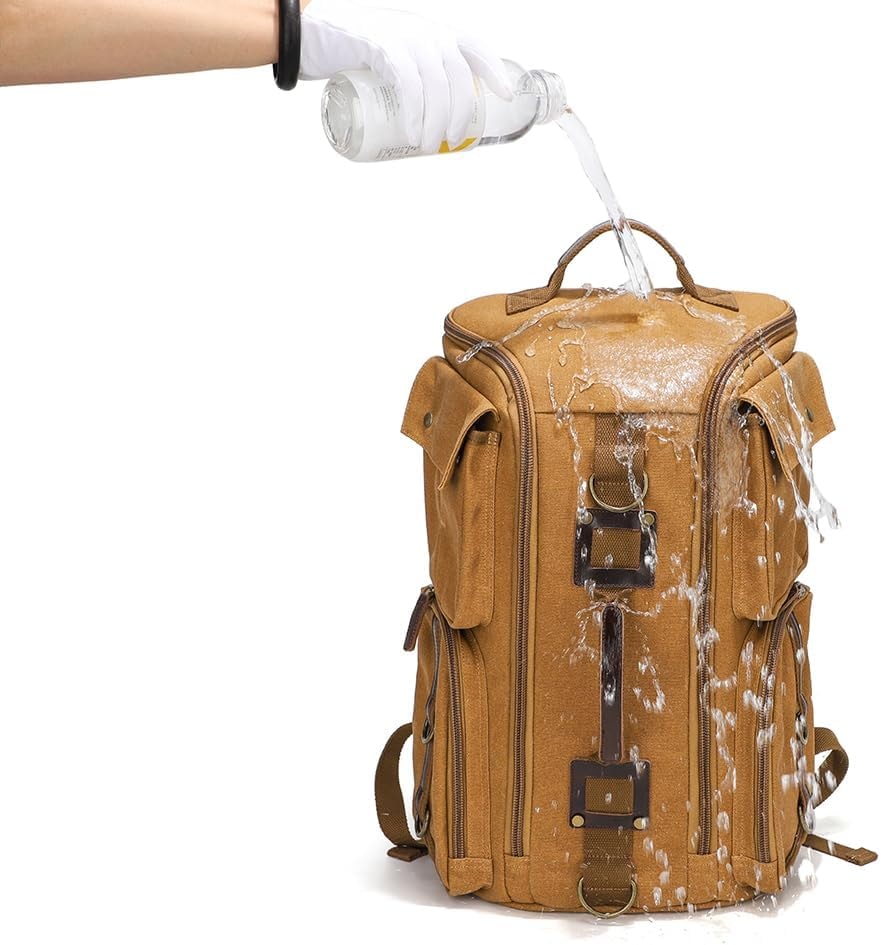
PEACECHAOS Store. heavy duty waxed canvas backpack
Share and Inspire
The plastic free movement grows when more people see it in action:
- Share packing lists and photos of your low-waste setup with friends or local hiking groups
- Lend your gear to someone trying free camping for the first time
- Organize a park clean-up after a holiday weekend
- Host a gear-swap evening before the camping season begins
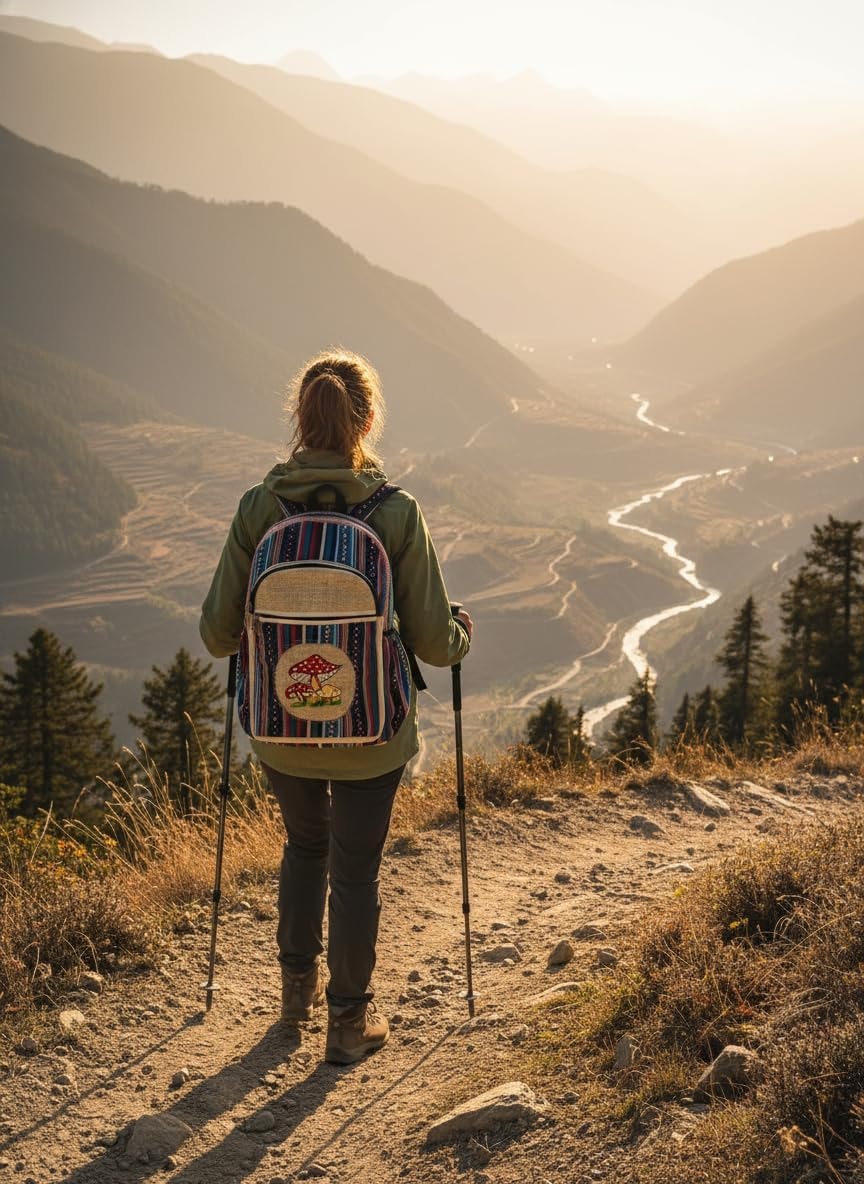
ANITYA Store multicompartment hemp boho backpack
Small Actions, Big Impact
You don’t need to enjoy nature with a perfectly plastic free kit to make a difference. Even switching from plastic water bottles to stainless steel, or bringing reusable containers instead of plastic bags, reduces waste meaningfully.
Progress matters more than perfection. Every piece of plastic free camping gear you choose is a practical contribution to healthier forests, rivers, and coastlines—places worth protecting for every next camping trip. Start where you are, use what you have, and improve with each outing. The best camping gear is the kind that lasts long enough to carry memories from dozens of adventures, not the kind that ends up as plastic trash in a landfill.


FAQs
How much plastic waste comes from food packaging and single-use items on a typical backpacking or camping trip?
A lot—freeze-dried meals, energy bars, snack wrappers, ziplock bags, and other convenience foods often generate bulky, non-recyclable trash that must be packed out. Many hikers worry this undermines Leave No Trace principles, especially on multi-day or thru-hikes where the volume adds up quickly. People frequently ask if it's realistic to go low- or zero-plastic by repackaging into reusables or making homemade dehydrated meals.
Do hiking shoes, clothing, tents, and gear shed microplastics into trails, lakes, and soil?
Yes, recent studies (e.g., on Adirondack lakes) show higher microplastic levels in high-traffic hiking areas, with soft-soled trail shoes and synthetic fabrics (polyester fleece, base layers, waterproof gear) as likely major contributors via abrasion and wear. Hikers ask if they're polluting remote wilderness unknowingly, how significant this is compared to other sources (like rain/snow deposition), and whether switching to harder-soled shoes or natural-fiber gear reduces it.
What health and environmental risks come from plastics (including microplastics) in outdoor settings?
Plastics persist for hundreds to thousands of years without truly biodegrading, leaching chemicals (e.g., PFAS in waterproof gear) into water, soil, and food chains. Concerns include harm to wildlife/ecosystems, contamination of backcountry water sources, and human health effects like ingestion/inhalation of microplastics (linked to inflammation and other issues). People question if outdoor plastics contribute meaningfully to global pollution.
Is it hypocritical for environmentally conscious hikers/campers to use so much plastic in gear and supplies?
Some feel the "eco-friendly" image of being outdoors clashes with plastic-heavy modern gear (production, synthetics, end-of-life disposal), especially as hiking popularity grows. Discussions debate whether focusing on trail litter ignores larger lifecycle impacts, like synthetic textiles contributing ~35% of global microplastic pollution in some estimates, and if a full pivot to non-plastic fabrics/gear is realistic or future-proof.
How can I minimize plastic use while still keeping things lightweight and practical for hiking/camping?
Balance is key—many aim for "low-waste" rather than zero by prioritizing reusables where possible, choosing recycled-content gear, avoiding unnecessary disposables, and following pack-it-out rules strictly. Challenges include weight (e.g., natural materials like wax canvas being heavier/wet-prone) and unavoidable items (e.g., some filters or bottles), but planning ahead helps cut down significantly.
These reflect ongoing community conversations, with growing awareness from studies on microplastics in wilderness areas driving more calls for sustainable choices.
For more information:
 Robert
 Pat Farrell PhD
 Online Editor