Plastic Free Manicure Products: A Practical Guide to Low-Waste Nail Care
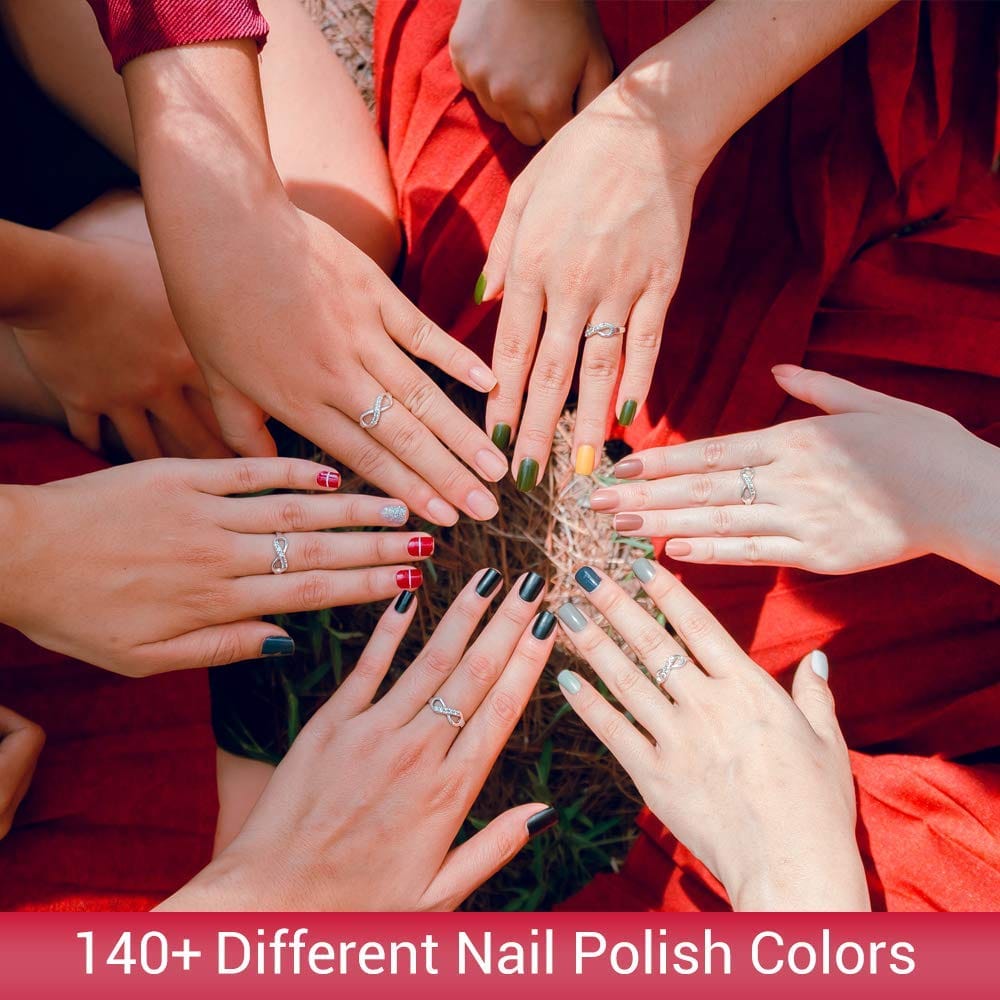
Answering the Big Question: Can a Manicure Be Plastic Free?
Here’s the honest answer: truly plastic free nail polish does not exist as of 2026. The polish itself—whether conventional, water-based, or marketed as “natural”—still relies on film-forming polymers that are essentially liquid plastic in a bottle.
But here’s what you can control: nearly everything else in your manicure routine can be made almost entirely plastic free. Your tools, your cuticle care, your removal process, and your packaging choices are all areas where real, meaningful swaps exist right now.
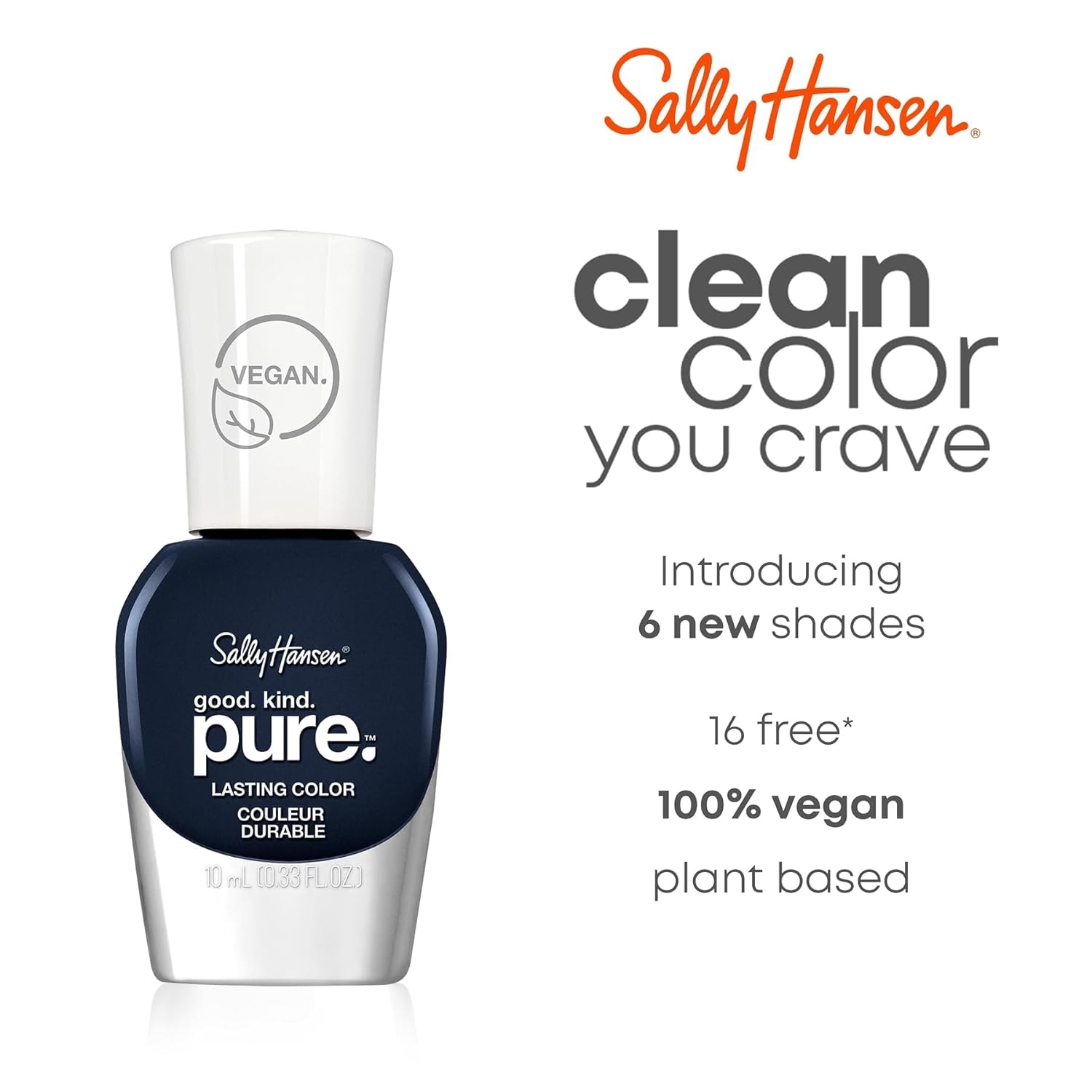
Sally Hansen Good Kind Pure bio based, including brush!
For this guide, “plastic free manicure products” means prioritizing items with no plastic packaging where avoidable, no plastic tools, minimal fossil-fuel-derived ingredients, and low-waste disposal methods. The goal isn’t perfect purity—it’s practical reduction. Think glass instead of plastic bottles, metal instead of disposable files, cotton instead of synthetic pads.
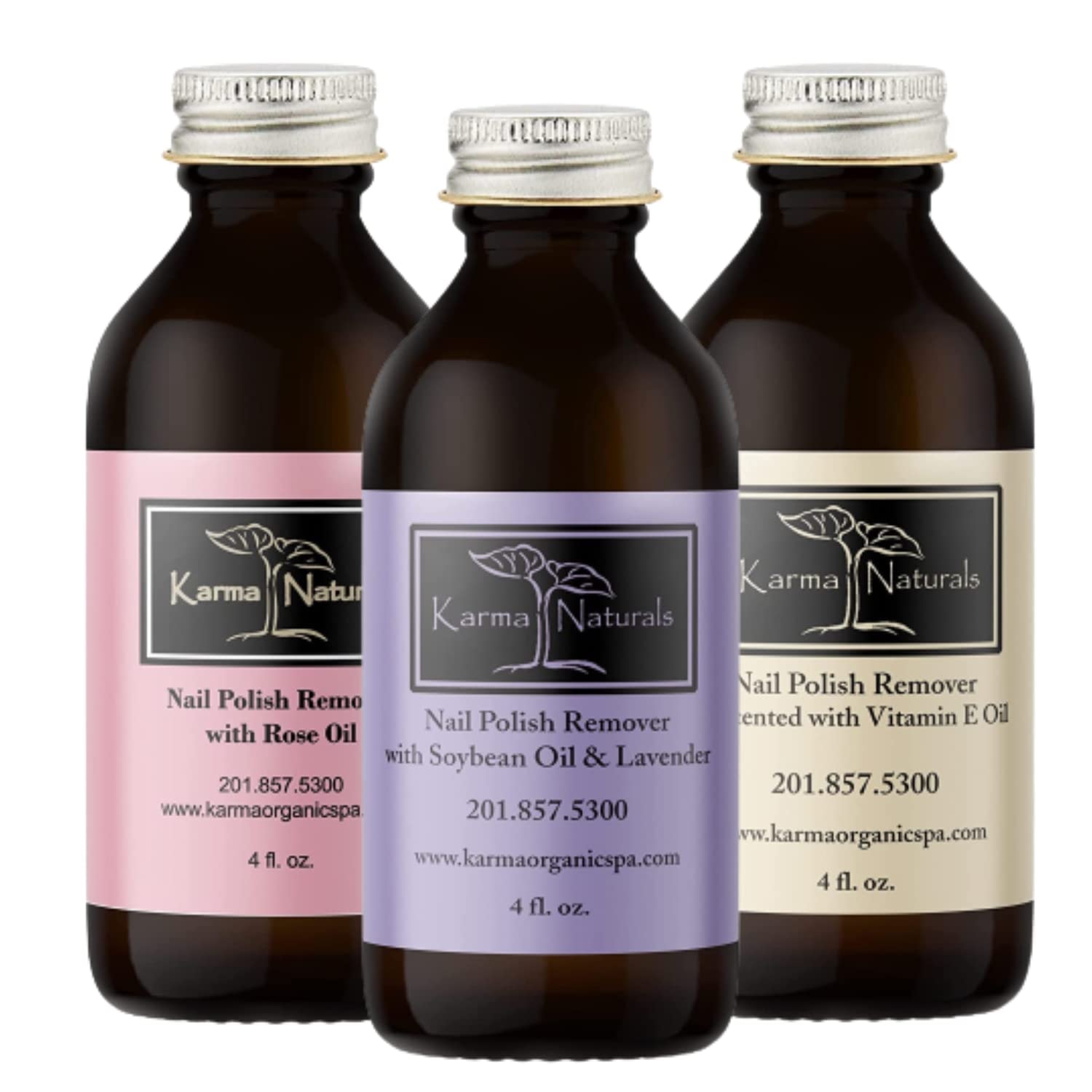
KARMA organic polish remover in glass bottles (love this stuff!)
Conventional nail polish is essentially liquid plastic containing polymers like nitrocellulose combined with plasticizers and resins. When it dries on your nails, it forms a plastic film. When it chips off, those fragments become microplastics. Understanding this helps frame a realistic approach: isolate the polish step as the one compromise while making everything around it genuinely plastic free.
Quick takeaways:
- Fully plastic free nail polish doesn’t exist yet
- Tools (files, clippers, pushers) are the easiest wins
- Glass, metal, bamboo, and natural fibers replace plastic alternatives
- Focus on reduction and realistic swaps, not perfection
- A “naked nail” routine can be nearly 100% plastic free
Karma Organic natural nail polish, but not the brush 😦
Why Conventional Manicures Are Full of Plastic
Walk into any drugstore beauty aisle and pick up a standard manicure kit. What you’re holding is essentially a collection of plastic: handles on nail files made of plastic, buffers constructed from foam, nylon bristle brushes, plastic cuticle pushers, bottles and caps molded from plastic, and single-use plastic wraps and cotton pads sealed in plastic packaging.
The tools are just the beginning. The polish itself presents a deeper chemical issue. Nail polish and gel formulas are built on plastic film formers—primarily nitrocellulose—along with plastic resins and plasticizers like dibutyl phthalate. When polish dries, it hardens into a thin plastic film on your nail. As it wears, tiny fragments chip off and wash down drains, entering water systems as microplastics.
Did you know? The plasticizers in conventional nail polish (like phthalates) are the same chemicals used to make vinyl flooring flexible. They help polish stay chip-resistant—but they’re also linked to hormone disruption.
Here’s where confusion sets in: many polishes marketed as “non toxic,” “10-free,” or “vegan” still rely on fossil-fuel-derived polymers and synthetic resins. They may avoid the worst toxic ingredients like formaldehyde or toluene, but the base formula remains plastic. “Non toxic” addresses chemical safety. “Plastic free” addresses material origin. They overlap but aren’t the same thing.
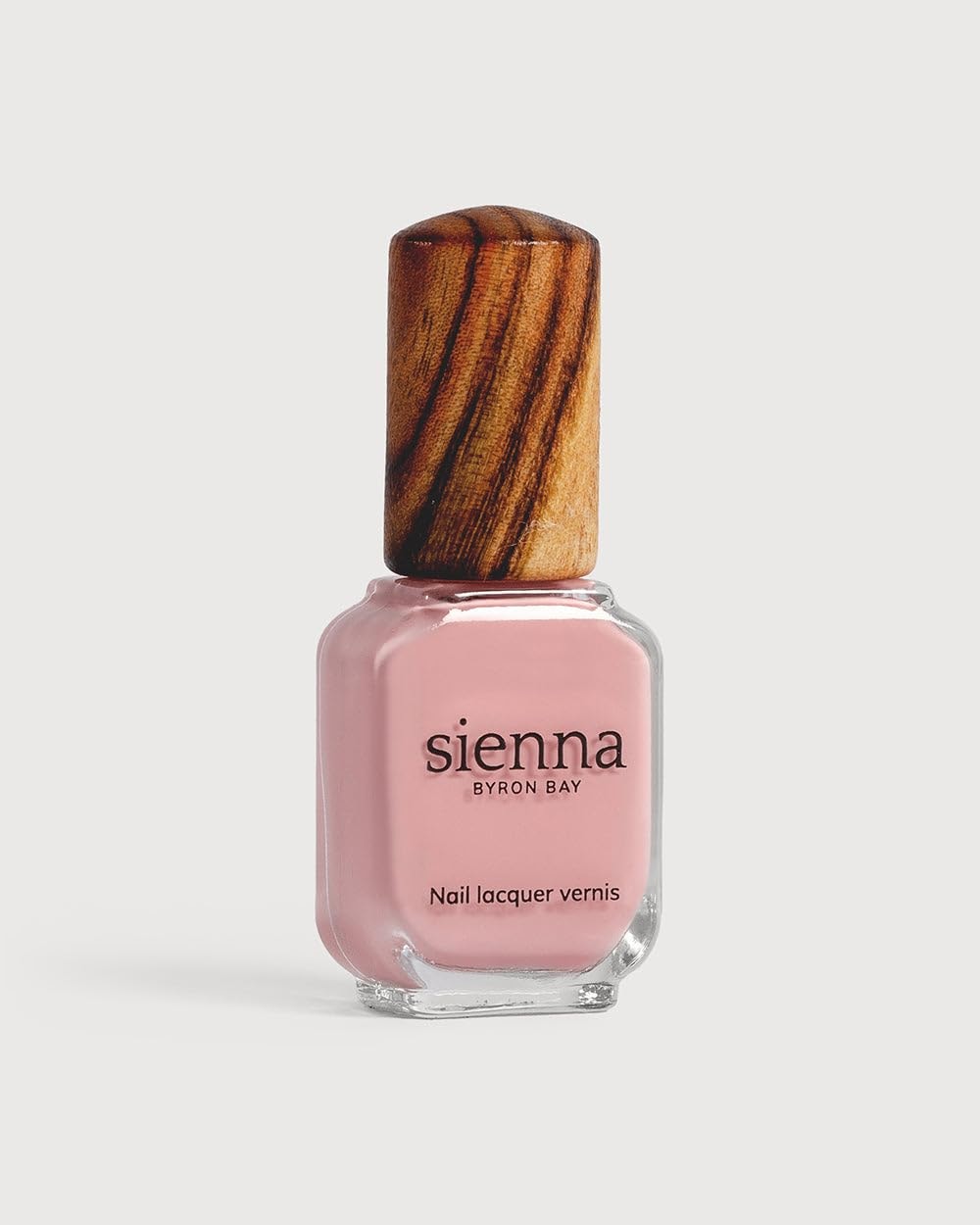
Sienna Byron Bay plant based formula but maybe not the brush
How polish actually works:
- Solvents (like ethyl acetate or butyl acetate) keep the formula liquid in the bottle
- Film formers (nitrocellulose) create the hard, shiny coating when solvents evaporate
- Resins add gloss and adhesion to the nail surface
- Plasticizers prevent the dried film from becoming too brittle and cracking
Every component works together to create a durable plastic coating. This is why a fully plastic free polish doesn’t exist yet—without these elements, you don’t have something that behaves like nail polish.
Core Plastic Free Manicure Tools
This is the low-hanging fruit. Tools are the easiest part of a manicure to make plastic free, and the swaps are genuinely long-lasting. A well-made stainless steel clipper or glass nail file can serve you for a decade or more—compared to disposable emery boards and plastic-handled tools that break, dull, and end up in landfills within months.
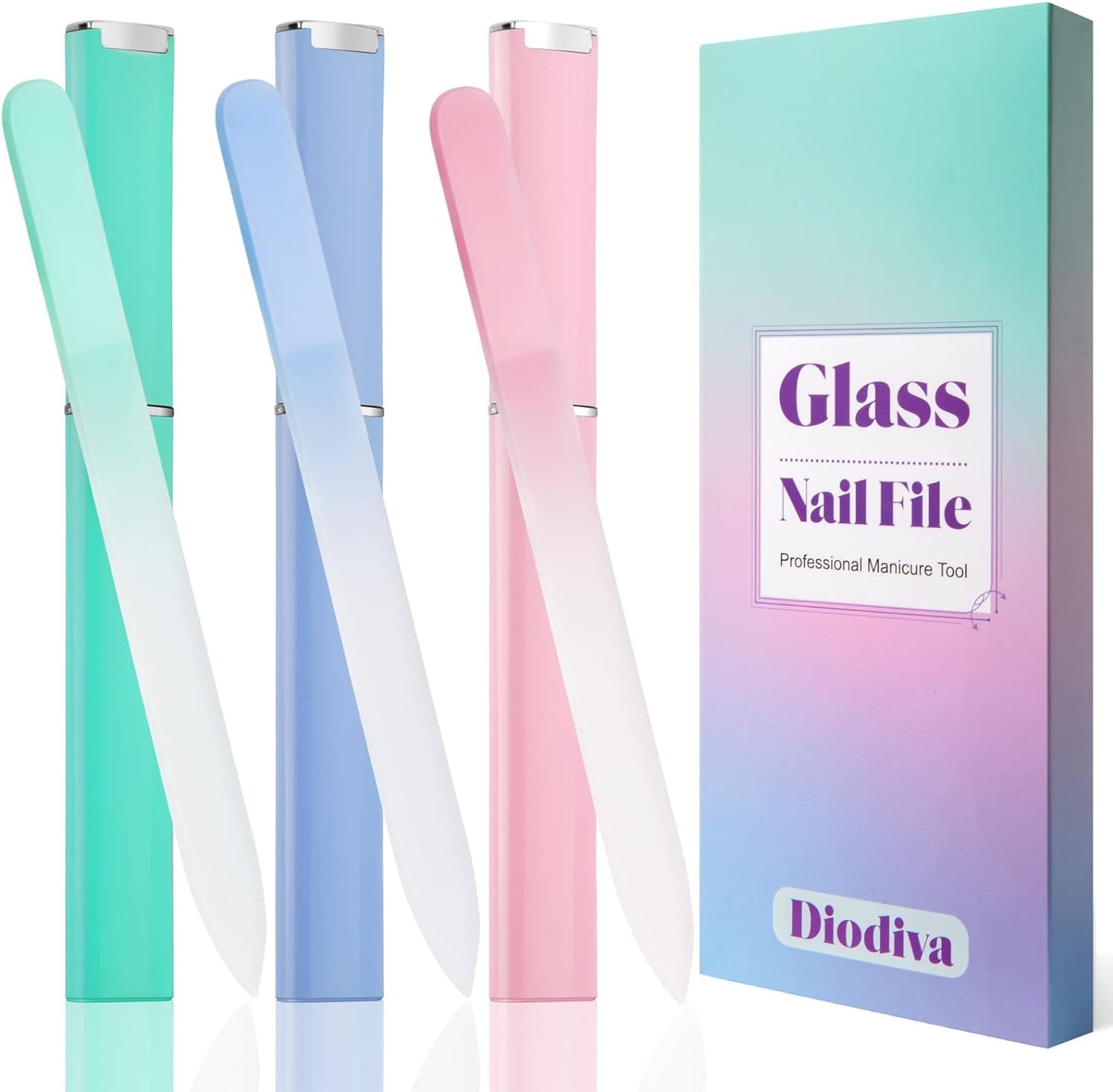
DioDiva Store. glass nail files
The investment pays off in the long run. Quality metal and glass tools cost more upfront but eliminate repeated purchases. They’re also easier to sanitize and maintain than porous plastic or foam alternatives.
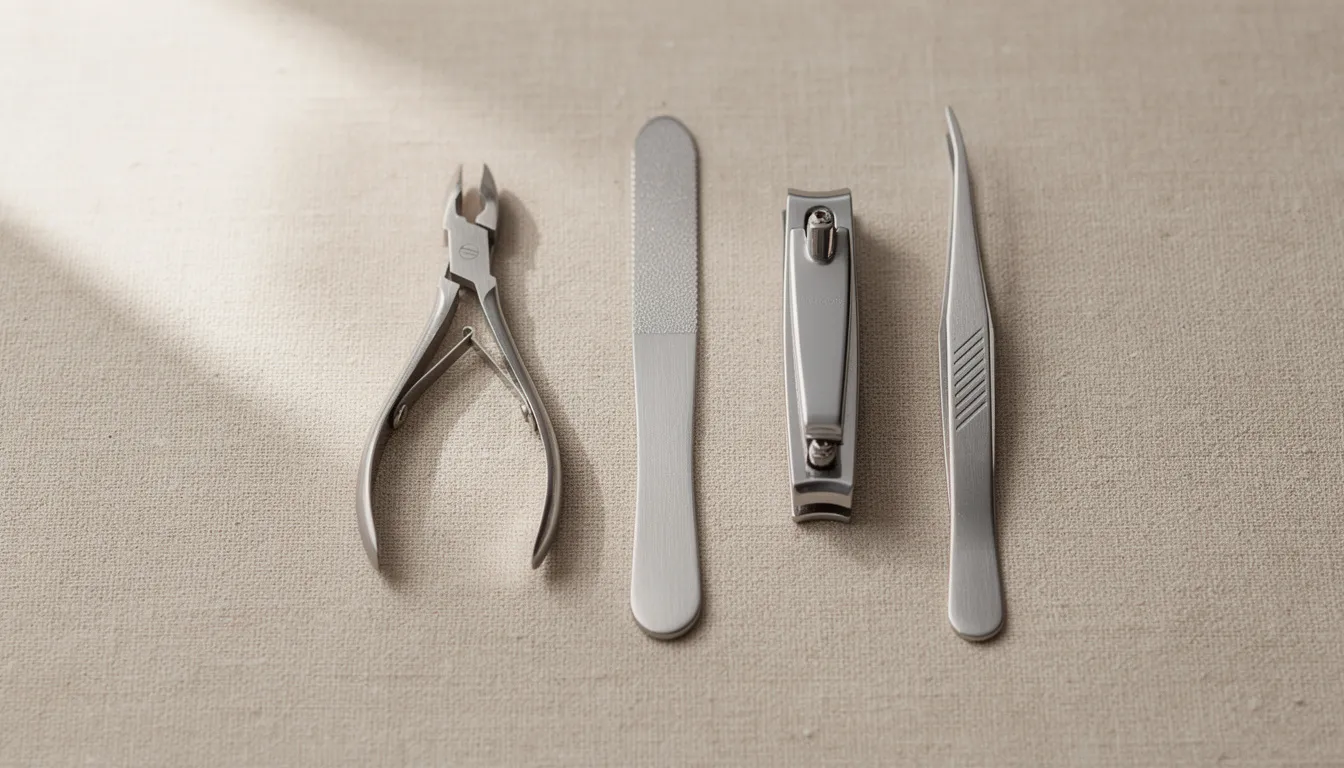
Plastic free tool swaps to consider:
- Stainless steel or glass nail files — Replace plastic-backed emery boards
- Stainless steel clippers and cuticle nippers — Replace plastic-handled versions
- Wooden or metal cuticle pushers — Replace plastic pushers
- Glass or ceramic buffing blocks — Replace foam buffers
- Cotton or hemp reusable pads — Replace synthetic disposable pads
- Bamboo or metal nail brushes — Replace nylon-bristle plastic brushes
Care is straightforward: disinfect metal tools with 70% isopropyl alcohol between uses and dry thoroughly to prevent rust. Glass files can be rinsed under water and air dried. Wooden tools are typically single-use but compostable.
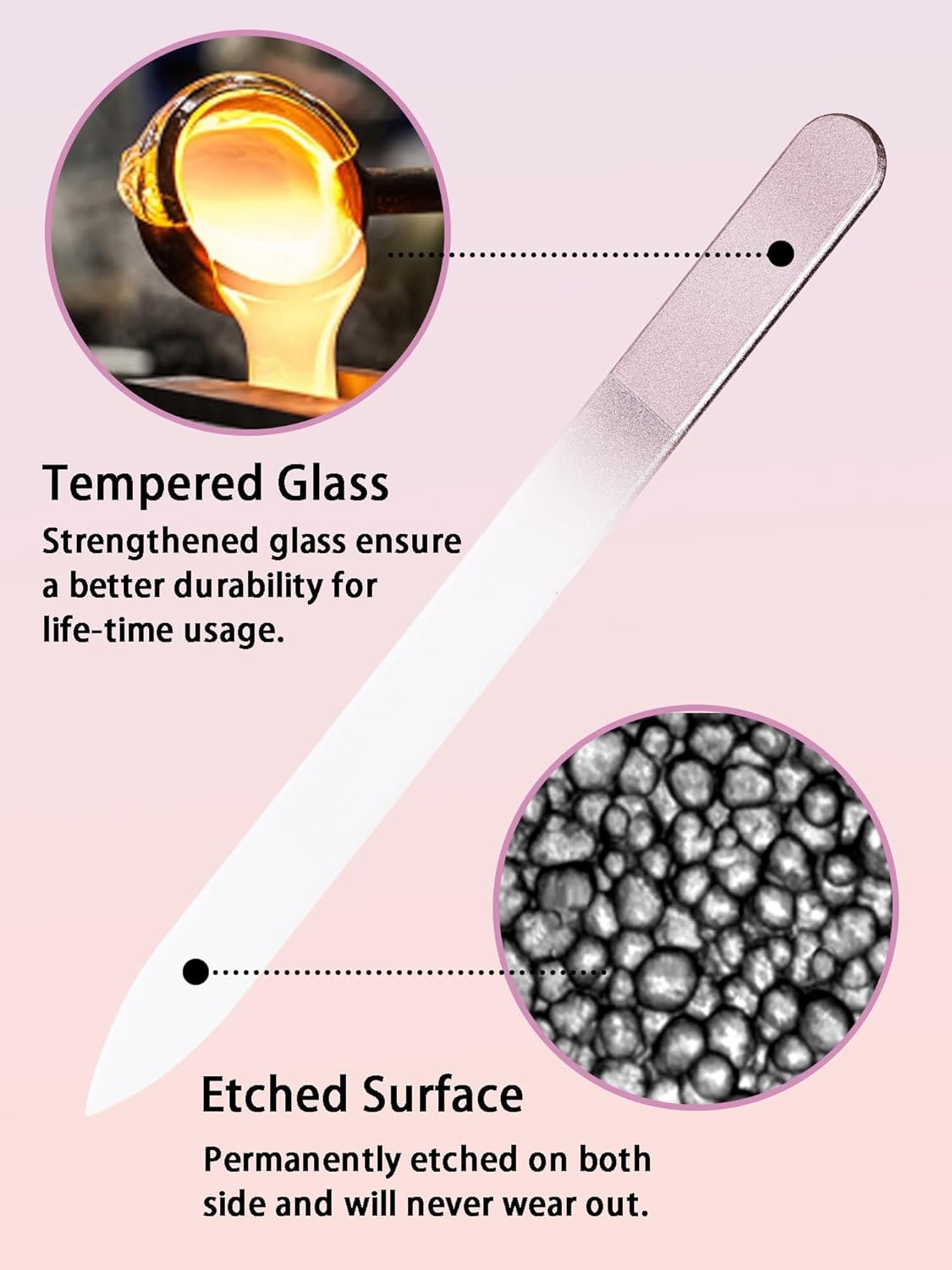
DioDiva Store glass nail files
Metal and Glass Tools
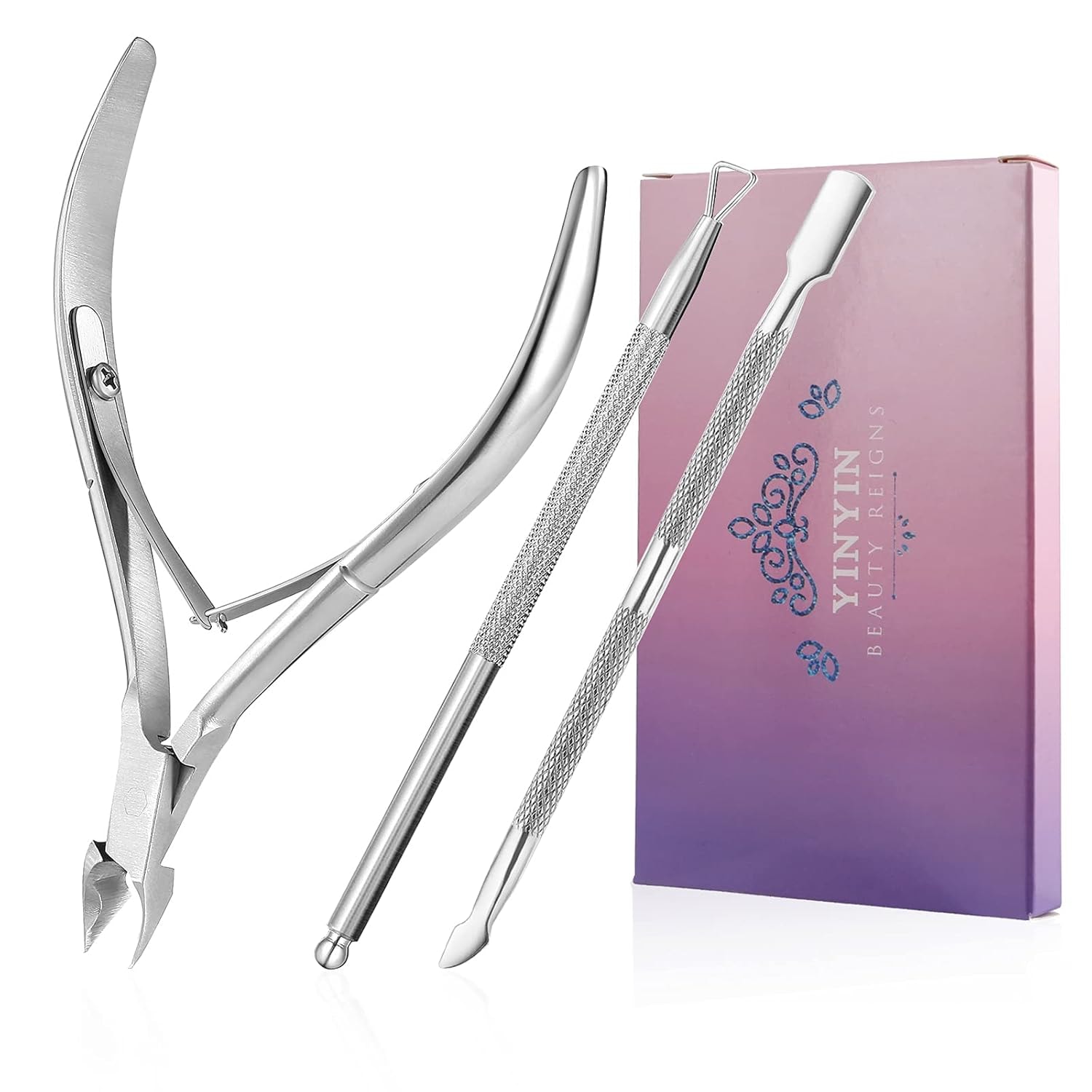
Stainless steel clippers, scissors, and nippers form the backbone of any plastic free kit. These tools have been manufactured since at least the 1990s without plastic components, and a quality set can last well over a decade with occasional sharpening. Look for solid stainless steel construction throughout—some “metal” tools still hide plastic in the handles or spring mechanisms.
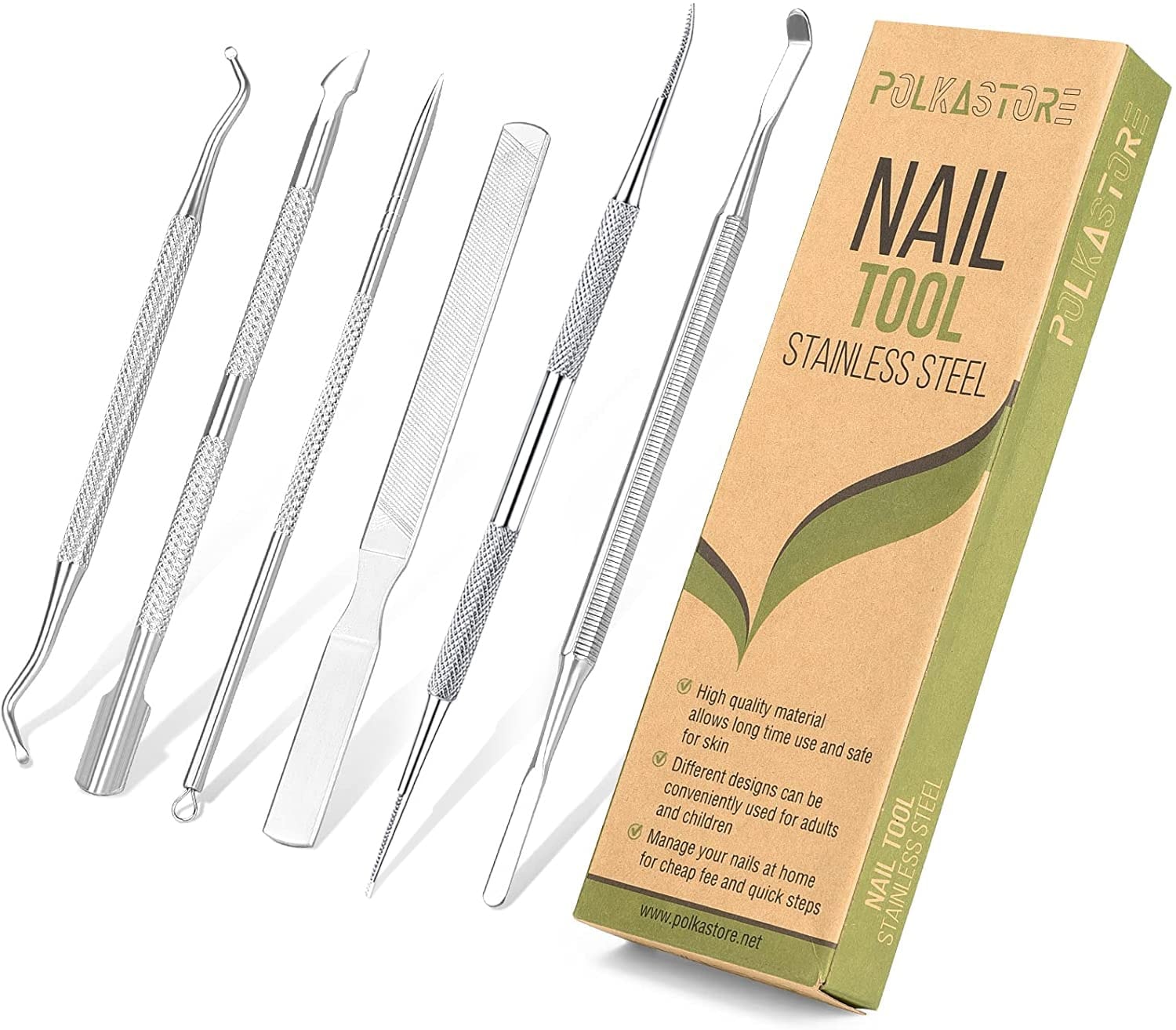
KuanStore metal nail set, (I like this set because a couple of these instruments can double as tarter removing tools to add to your zero waste dental hygiene routine!)
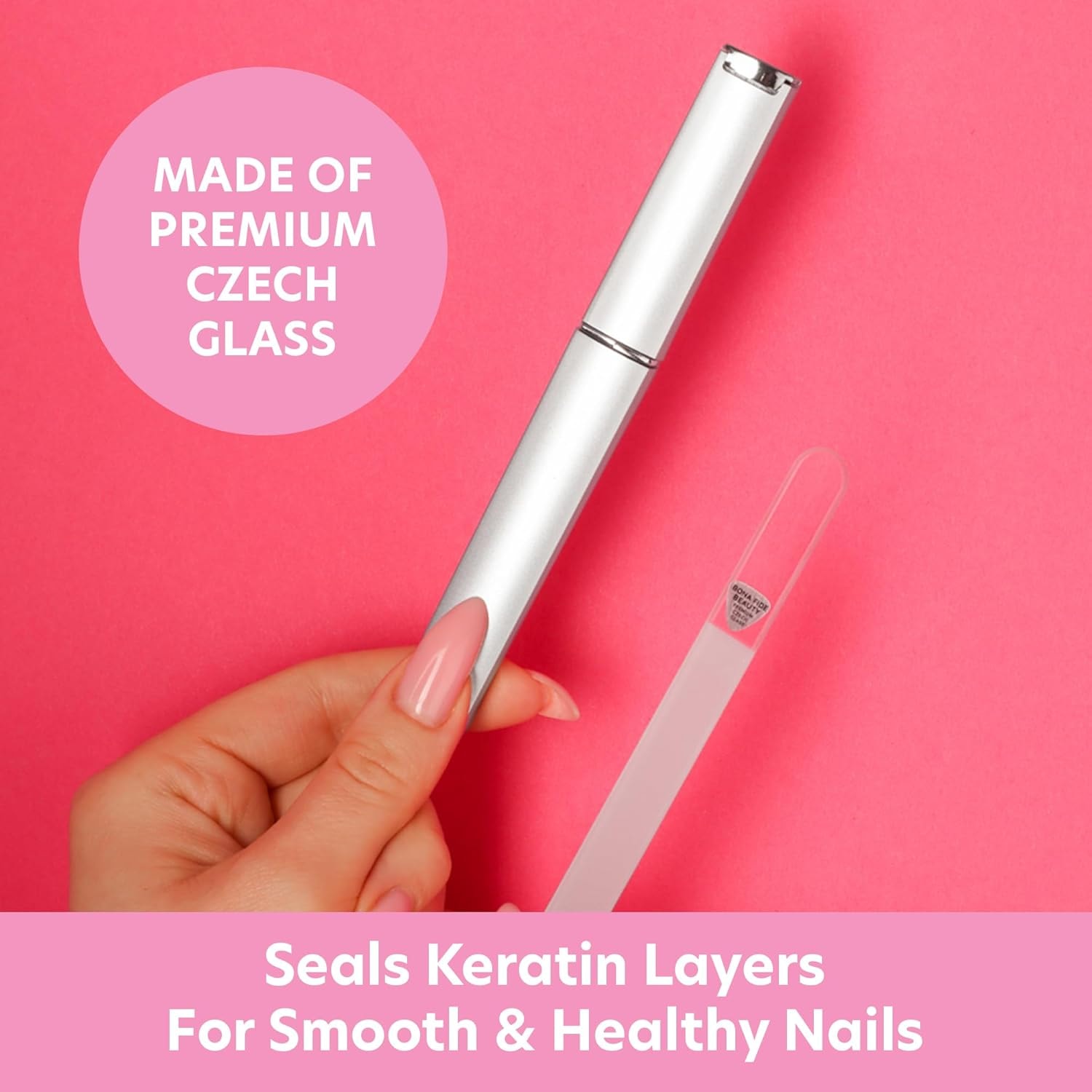
The glass nail file deserves special attention. Made from tempered, etched glass, it smooths nail edges without the shredding action of traditional emery boards. Unlike foam-backed files that tear nail layers, glass creates a sealed edge that resists chipping and peeling. They’re easy to sanitize (just rinse or wipe with alcohol), often sold in cardboard sleeves rather than plastic packaging, and last for years with careful handling.
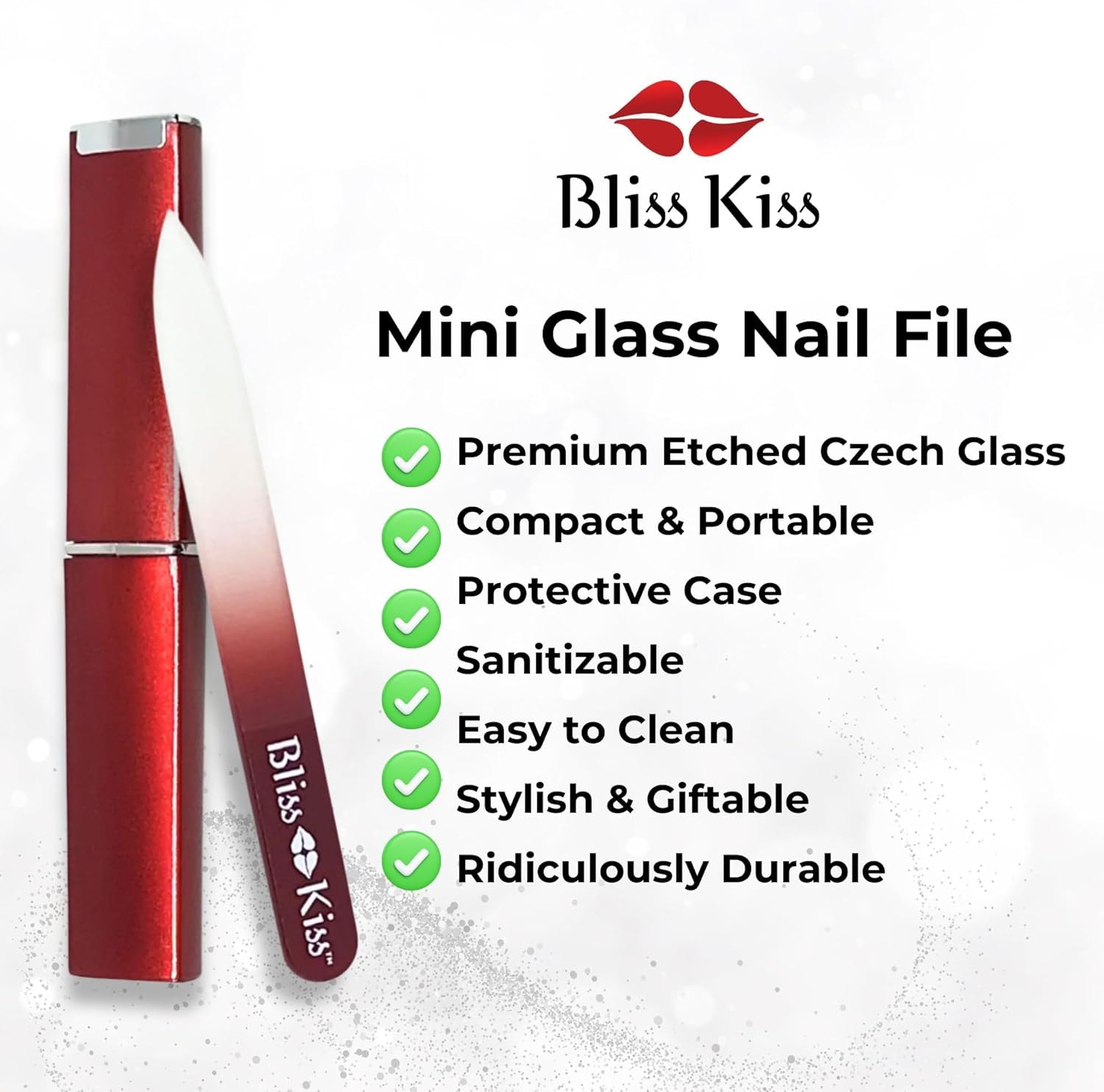
Building your metal and glass foundation:
- Stainless steel nail clippers (straight or curved edge)
- Stainless steel cuticle nippers with spring mechanism
- Glass nail file (fine grit for shaping, coarser for shortening)
- Metal cuticle pusher with textured grip (avoid silicone or rubber coatings)
- Small stainless steel scissors for hangnails
Store these tools together in a metal tin or cloth roll. The uniform aesthetic—silver, clear glass, neutral tones—creates a calm, intentional kit that feels worlds away from the chaotic plastic clutter of conventional manicure sets.
Natural Fibers and Wood
Wooden cuticle sticks are a familiar, compostable option that have been standard in manicures since the early 20th century. Made from birch or orangewood, they’re designed for single use but break down completely unlike their plastic counterparts. For those who prefer reusable options, a metal cuticle pusher serves the same purpose indefinitely.
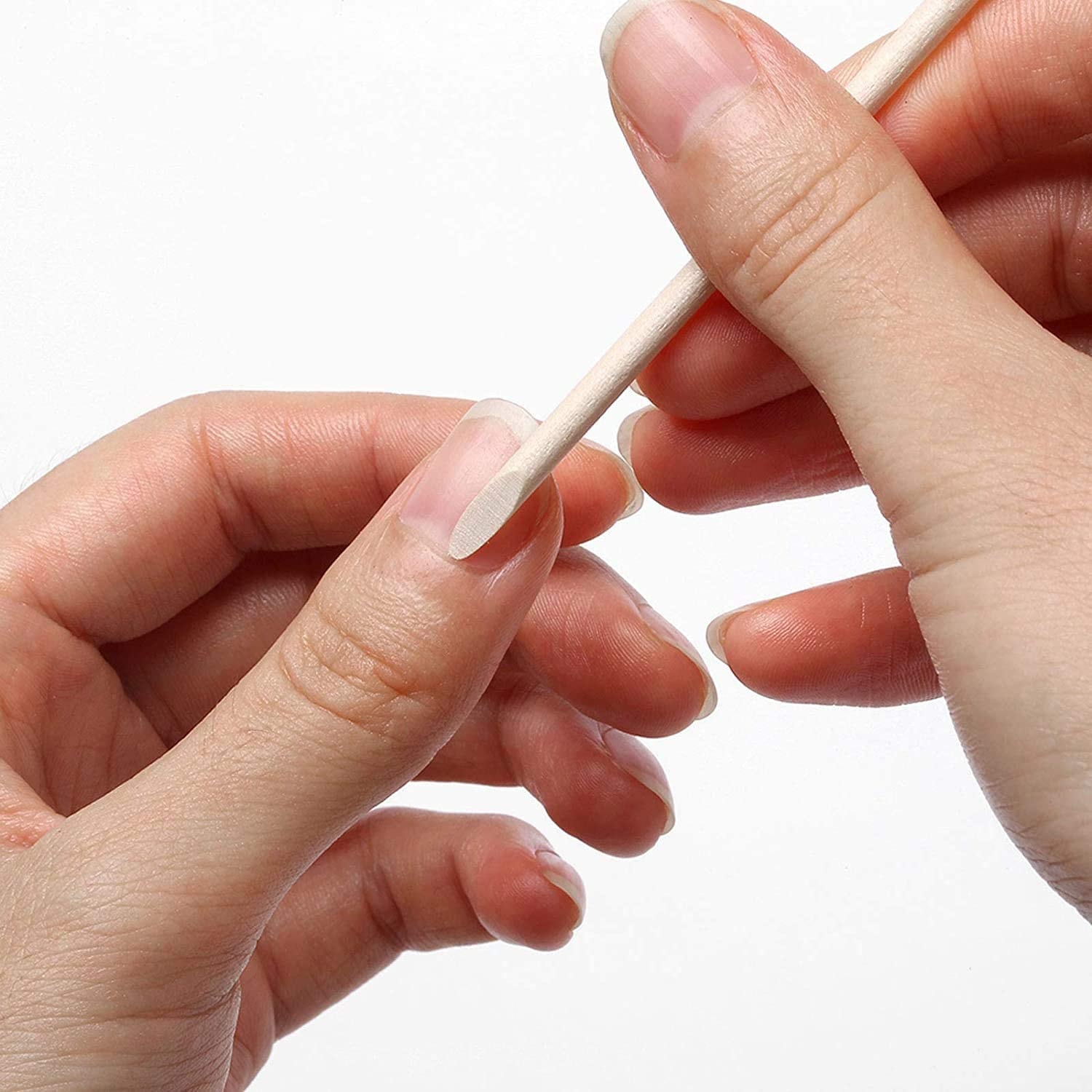
ATMOSTBY .Nail Art Orange Wood Sticks
Nail brushes with bamboo or beechwood handles paired with plant bristles (tampico or sisal fiber) replace plastic-handled brushes with nylon bristles. These natural materials perform just as well for scrubbing under nails and around cuticles, and they can be composted at end of life.
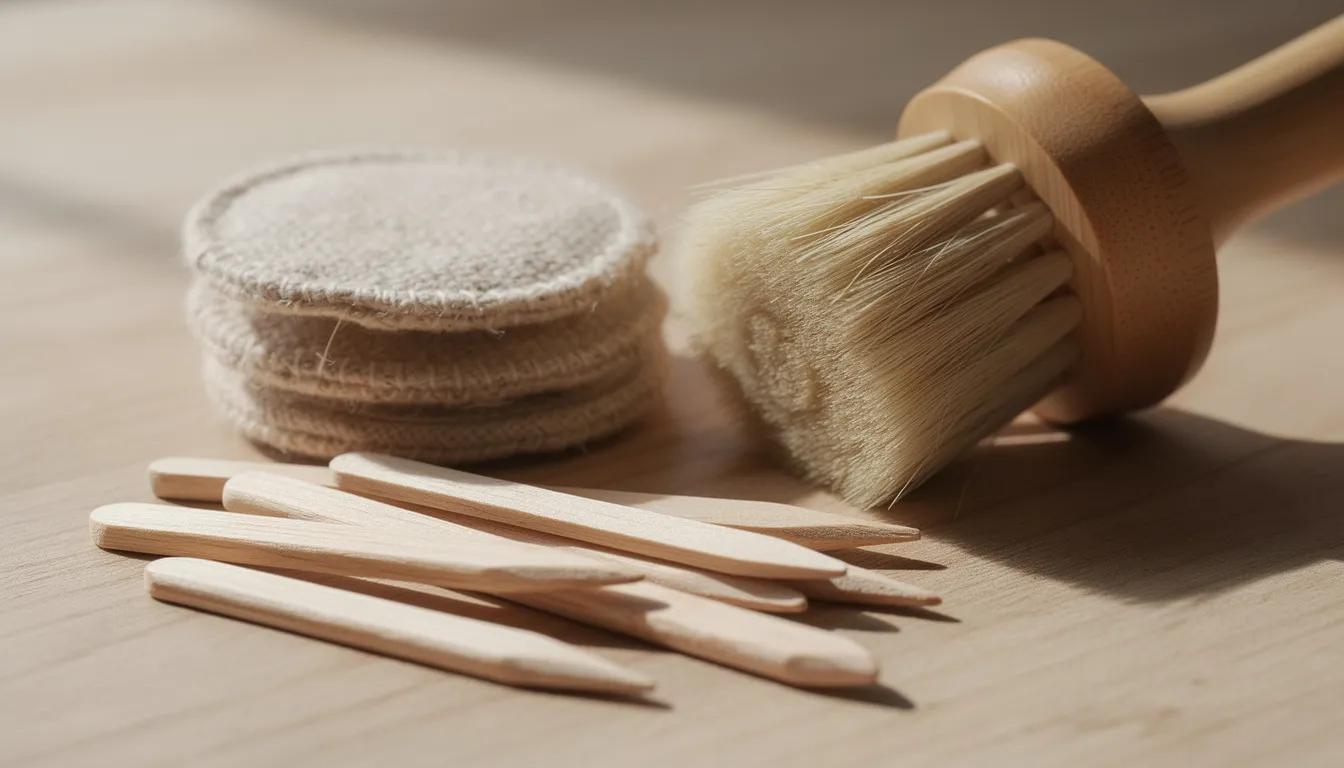
Reusable cotton, hemp, or bamboo rounds handle polish removal and oil application. Store them in a glass jar or metal tin between uses, and launder them in a small cotton mesh bag with your regular wash. A set of 10-15 rounds can replace hundreds of disposable cotton balls over their lifetime.
Natural material options:
- Birch or orangewood cuticle sticks (compostable, single-use)
- Bamboo or beechwood nail brush with sisal bristles
- Organic cotton or hemp reusable rounds (10-15 per set)
- Glass jar or metal tin for pad storage
- Linen or cotton towel for drying hands
The aesthetic here is warm and tactile: raw or lightly oiled wood, neutral cream and brown tones, and plastic-free paper or cardboard packaging. These items photograph beautifully and feel intentional in use.
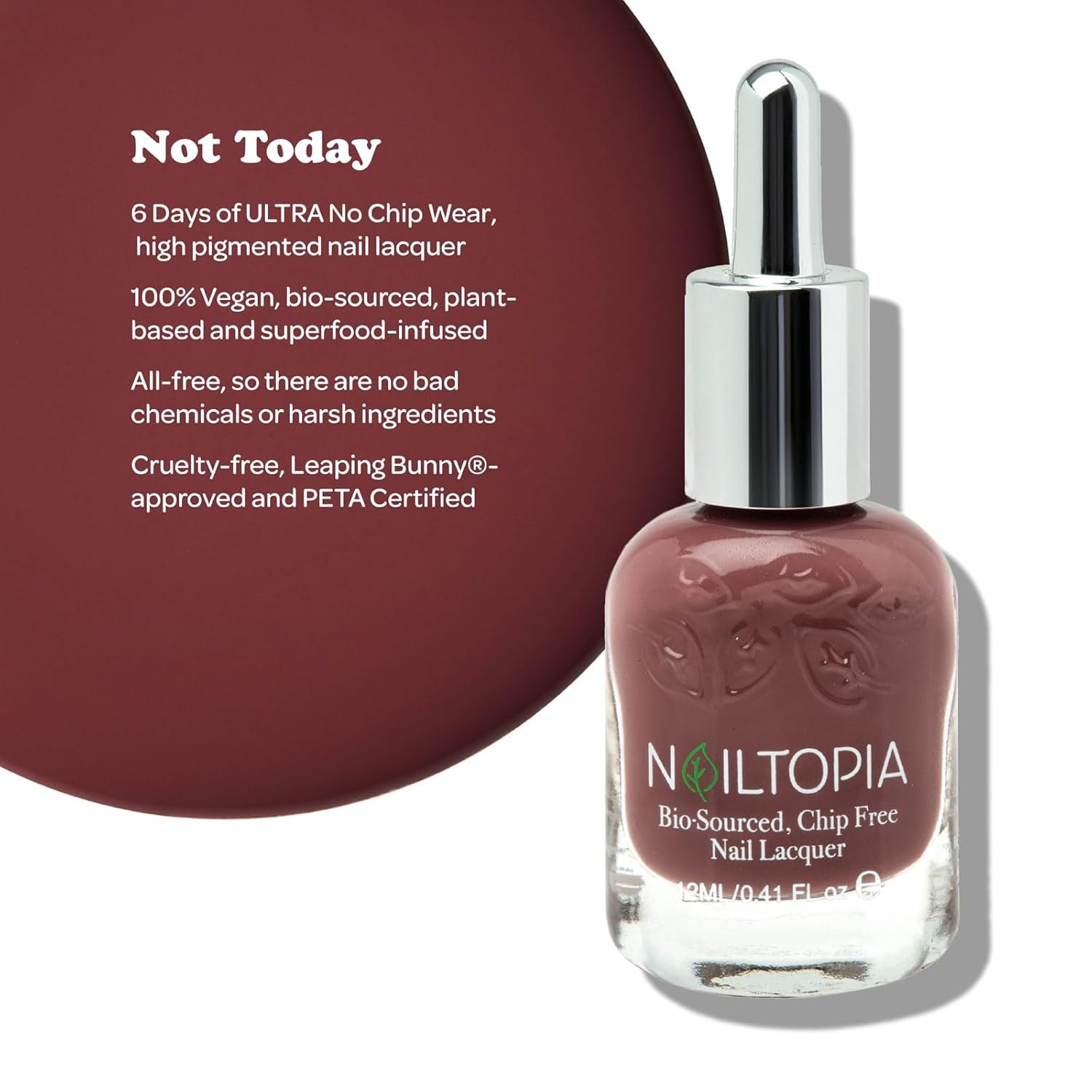
Nailtopia Nail Polish plant based formula, but brush likely not, and customers report shipped in less than sustainable packaging :(
Plastic Free Nail and Cuticle Care (No Color Needed)
The most genuinely plastic free manicures are often “naked nail” looks that prioritize health and subtle shine over color. Without polish, you eliminate the plastic film problem entirely while still achieving beautiful nails that look groomed and cared for.
Glass or ceramic buffing creates a mild natural sheen without any product. The gentle friction smooths the nail surface and brings out its inherent gloss. However, buffing should be limited—once every week or two at most—to avoid thinning the nail plate over time. Heavy or frequent buffing causes nail damage and leaves nails brittle and weak.
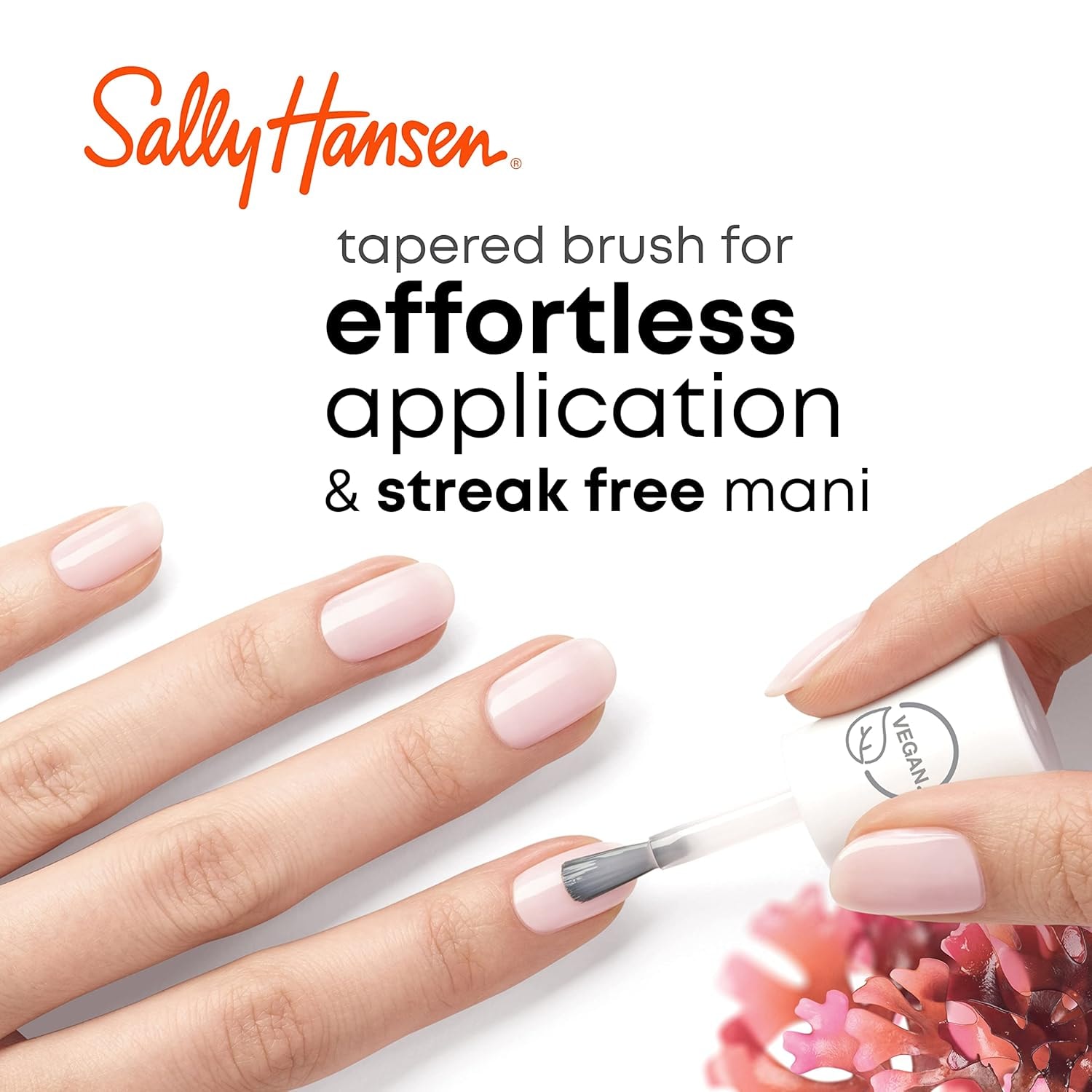
Sally Hansen Good Kind Pure an old name is now first in bio based polish brands
Learn More About The History of Nail Polish
Plant-oil based cuticle and nail care replaces plastic-bottled synthetic serums. Look for organic jojoba oil, sweet almond oil, argan oil, or olive oil sold in glass bottles with metal caps or glass dropper tops. These oils absorb quickly, soften cuticles, and add flexibility to the nail without any fossil-fuel-derived ingredients. Learn more about Bio-based nylon and how it's made.
Simple DIY cuticle oil recipe:
- 80% jojoba oil (closest to skin’s natural sebum)
- 20% vitamin E oil from wheat germ
- Store in a 10ml glass roll-on bottle
- Skip synthetic fragrance—add a drop of lavender essential oil if desired
Basic plastic free manicure routine:
- Soak hands in warm water in a ceramic bowl (5 minutes)
- Gently push back cuticles with a wooden stick or metal pusher
- Shape nails with a glass nail file
- Massage cuticle oil into nail beds and surrounding skin
- Buff lightly for natural shine (optional, limit frequency)
- Apply a rich hand balm and massage thoroughly
This routine keeps natural nails healthy, strong, and subtly glossy without a single plastic-based product.
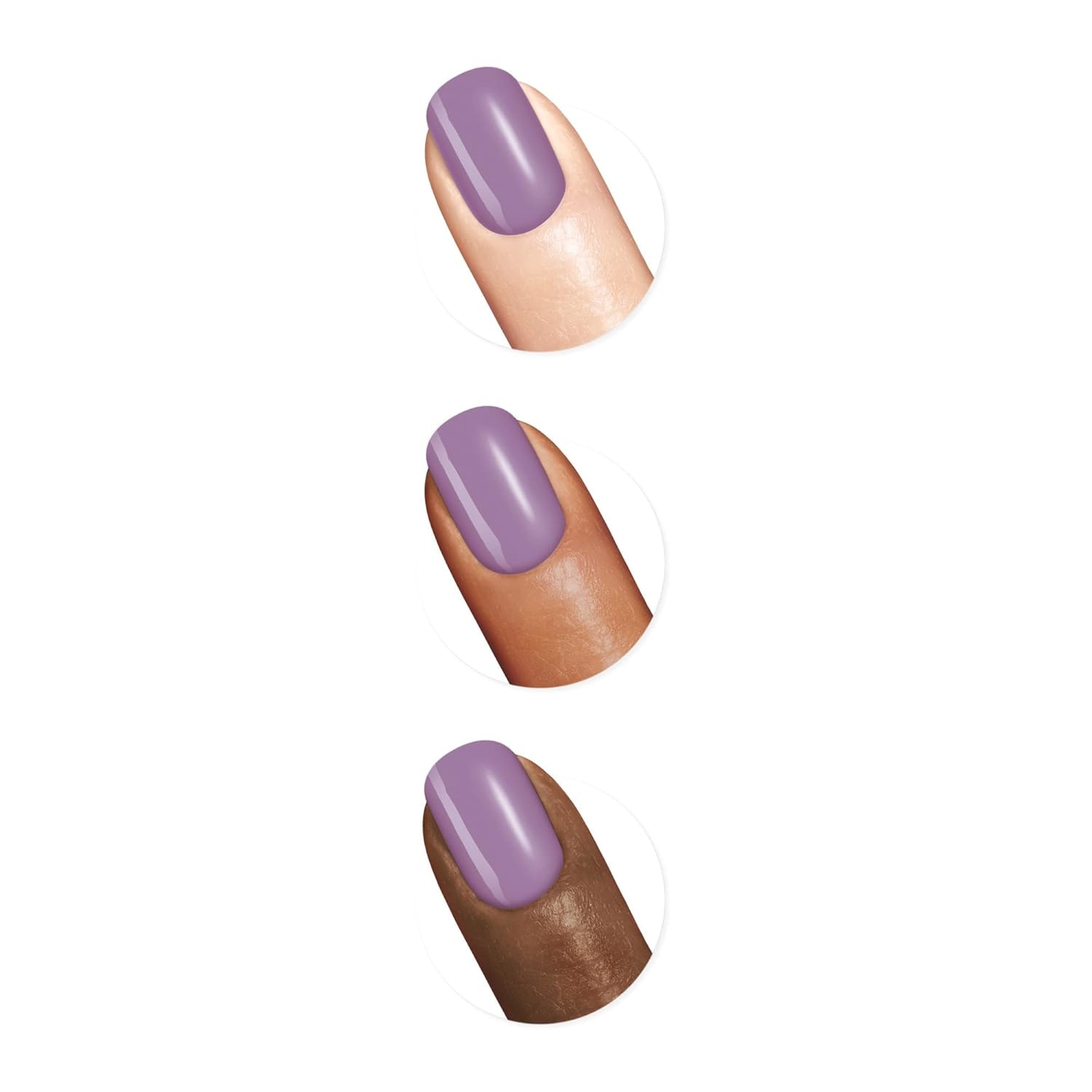
Sally Hansen Good Kind Pure. (I tested this brand's bio bristles and works great! This is the future of plastic free polish!)
Plastic Free Hand and Nail Treatments
Emulsified hand balms and salves in metal tins or glass jars replace plastic pump lotions entirely. Look for formulas built on shea butter, cocoa butter, plant oils, and candelilla or beeswax as the base. These rich formulations sink into skin and provide lasting moisture without the body of plastic bottles accumulating in your bathroom.
For occasional treatments, specific botanicals and clays offer spa-level care. Finely ground oats soothe irritated cuticles. Kaolin clay draws impurities from nail beds. Chamomile and calendula calm redness and inflammation. Store these dry ingredients in paper bags or glass jars, mixing small amounts fresh as needed.
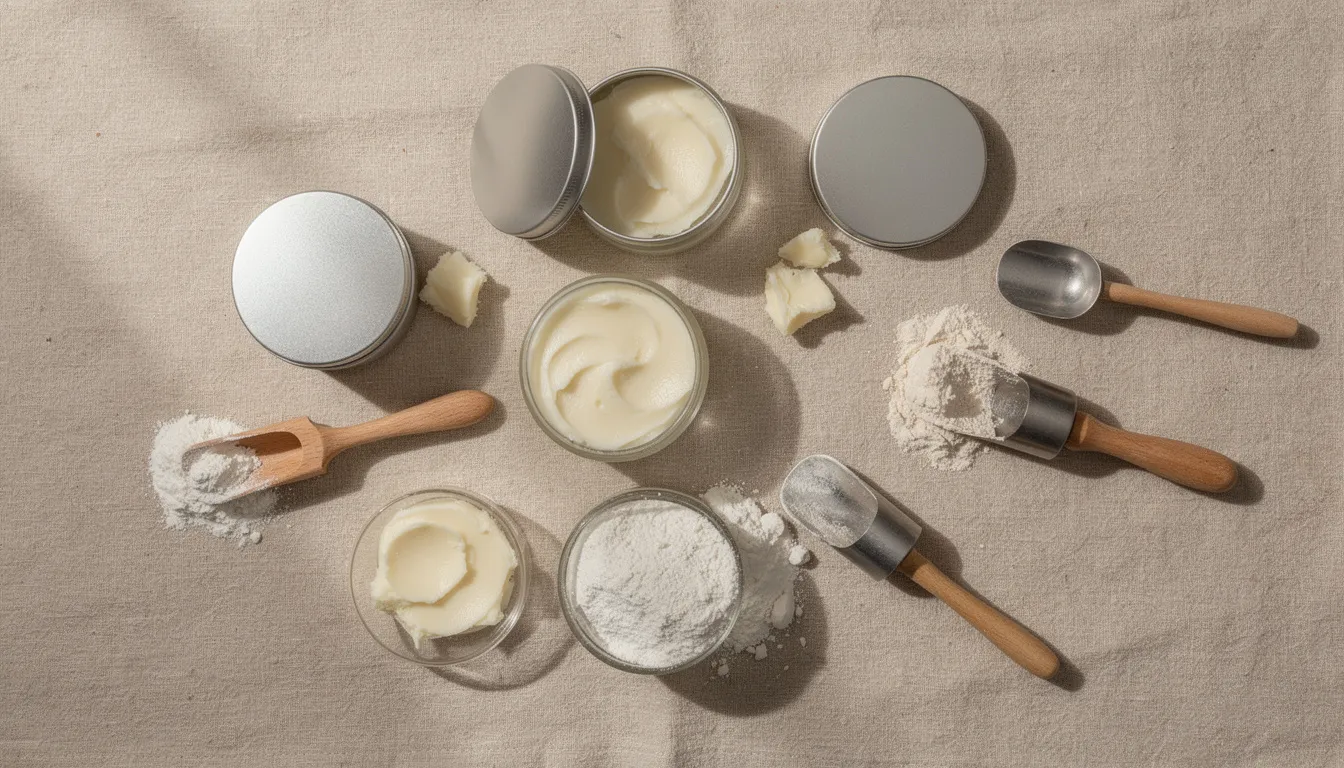
Exfoliation matters for smooth hands and healthy cuticles, but avoid microplastic exfoliants found in many conventional scrubs. Instead, use sugar, salt, or ground seeds (like apricot kernel) mixed with plant oils as a gentle scrub. Dispense from glass jars and rinse in a basin rather than directly down the drain.
Treatment ingredients to stock:
- Shea butter (unrefined, in tins or glass)
- Sweet almond or jojoba oil (glass bottles)
- Kaolin or French green clay (paper bags)
- Fine sea salt or raw sugar (bulk bins or glass)
- Dried chamomile or calendula flowers (for infusions)
Repairing and Restoring Damaged Nails the Plastic Free Way
If you’re dealing with damaged nails, you know how tempting it can be to reach for conventional nail polish or quick-fix treatments loaded with harsh chemicals. But restoring your nails to their natural beauty doesn’t have to mean compromising your health or the planet. With a few mindful swaps and the right non toxic products, you can nurture your nails back to strength—no plastic or toxic ingredients required.
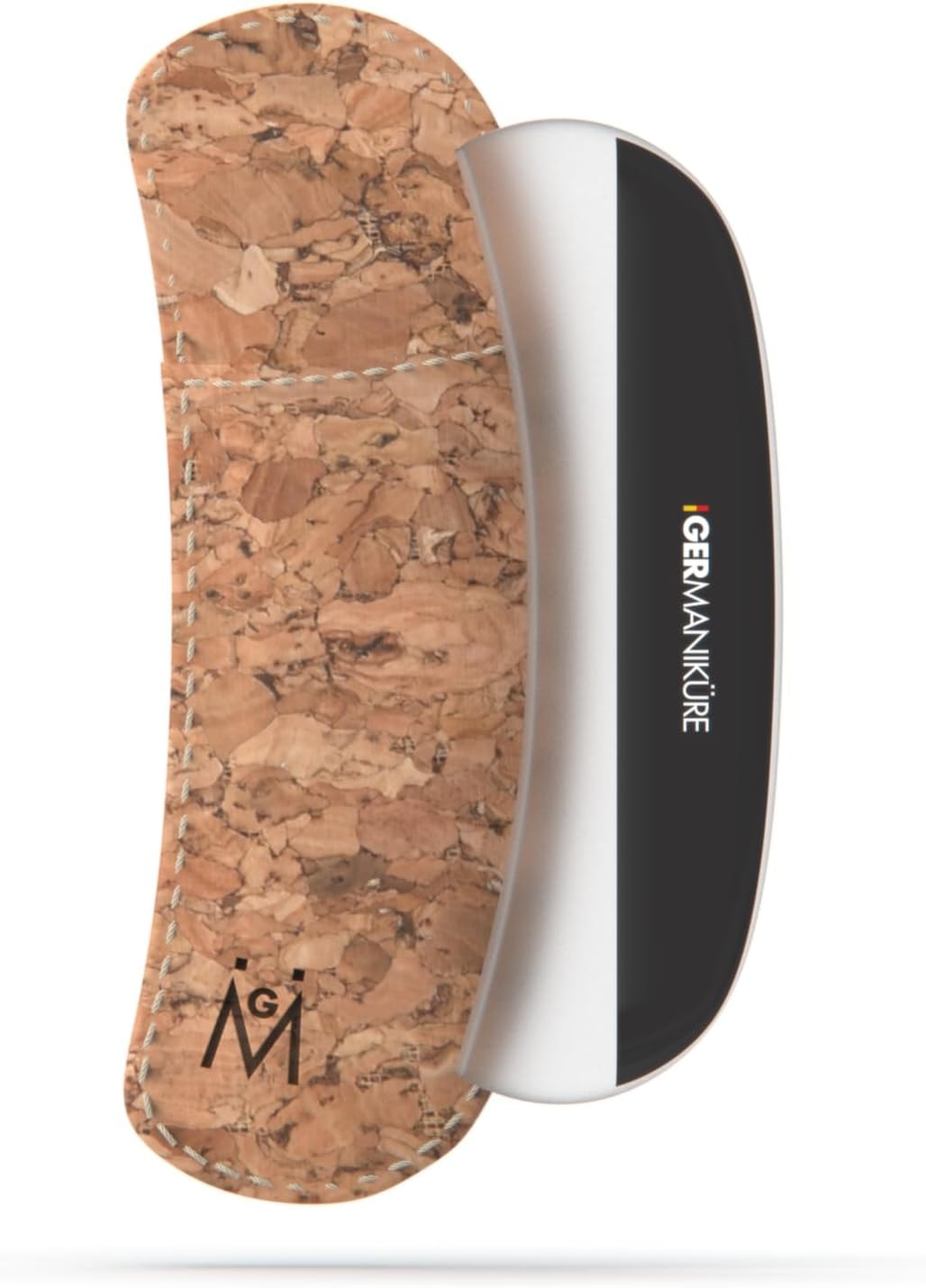
GERMANIKURE black moon glass nail file in cork case
Start with the basics: a glass nail file is your best friend for repairing damaged nails. Unlike traditional emery boards, a glass nail file gently smooths out ridges and seals the nail edge, helping to prevent further splitting or peeling. This simple tool glides smoothly, creating a clean, even surface that sets the stage for beautiful nails—without the risk of microtears that can make nail damage worse.
When you’re ready to add a touch of color or protection, reach for a natural nail polish from brands that prioritize non toxic formulas. Look for polishes that are free from formaldehyde, dibutyl phthalate, toluene, and other toxic ingredients commonly found in conventional nail polish. Instead, seek out nail polish brands that use mineral-based pigments like iron oxides, titanium dioxide, and mica. These natural ingredients not only offer a gorgeous range of colours—from pale nudes to bold blues and vibrant oranges—but also help condition and strengthen your nails.
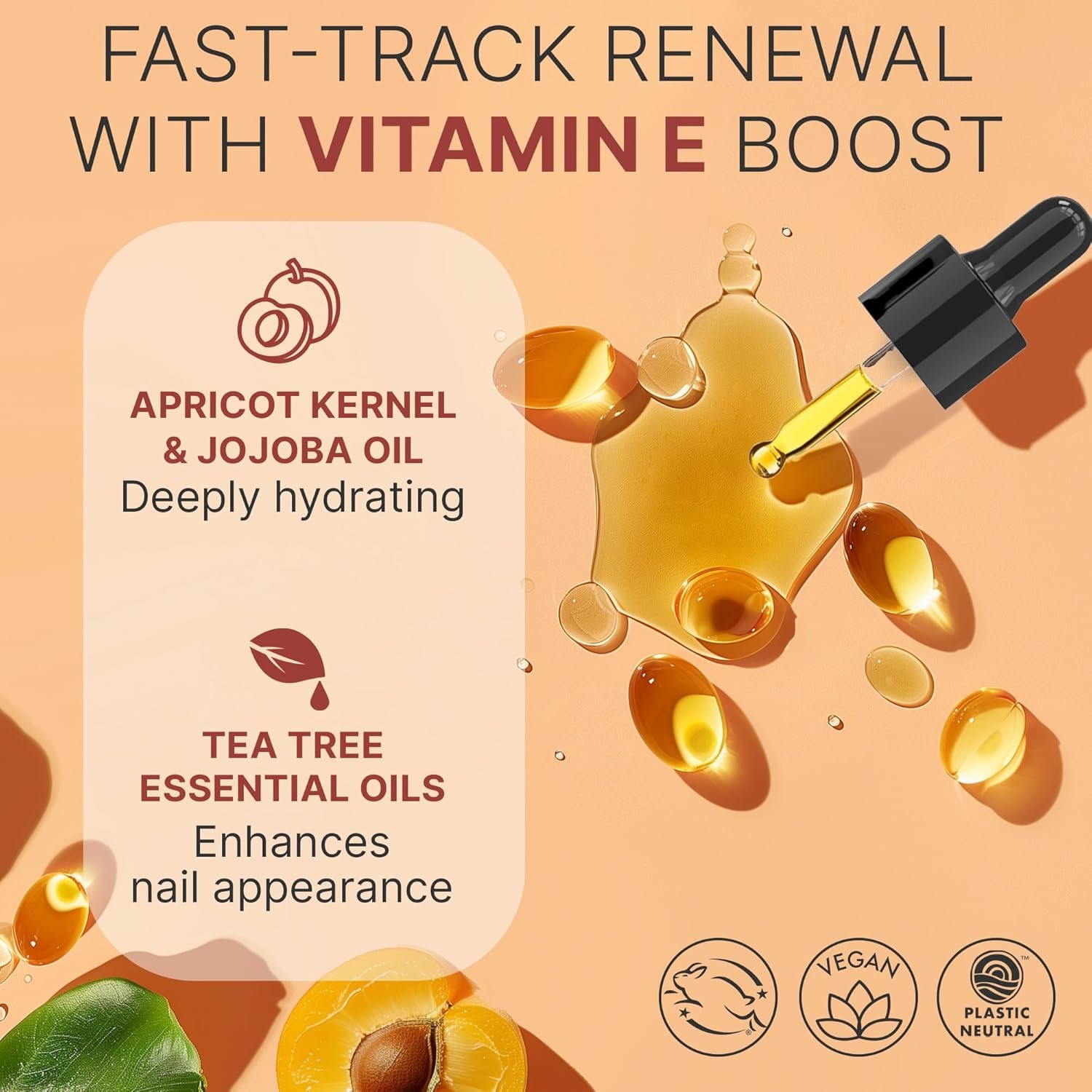
Beauty by Earth. cuticle oil
For the healthiest results, apply your polish in two coats, allowing each layer to dry completely for a smooth, even finish. A quality top coat can add extra shine and durability, helping your manicure last longer while protecting your nails from chipping and everyday wear. If you’re aiming for a truly low-waste routine, choose a top coat and polish remover packaged in glass bottles with metal caps.
When it’s time to remove your polish, be careful to avoid harsh acetone-based removers, which can leave nails brittle and dry. Instead, opt for a gentle, acetone-free polish remover that’s formulated with non toxic ingredients. These removers are kinder to your nails and skin, helping to maintain moisture and prevent further nail damage.
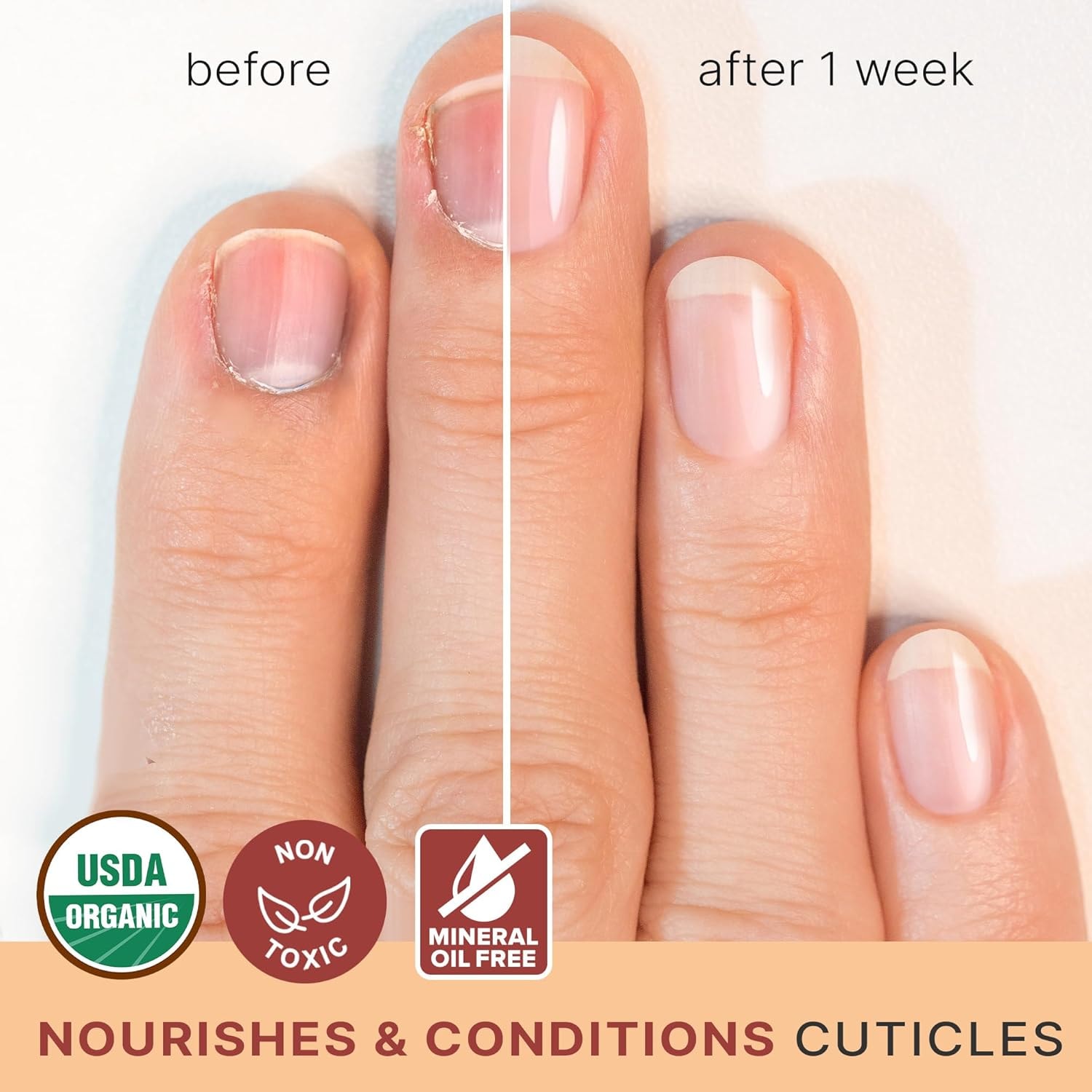
Beauty by Earth. cuticle oil
In the long run, sticking with non toxic nail polish and gentle, plastic free tools will help your nails grow stronger, smoother, and more resilient. Brands like Hinahina, Sienna USA, and Manucurist offer vegan, cruelty-free options in a spectrum of beautiful shades, so you never have to sacrifice style for safety. Always check the ingredient list and look for certifications that align with your values—your nails and the planet will thank you.
With a little patience and the right care, you can restore your nails to their natural, healthy state. Remember: beautiful nails don’t require harsh chemicals or plastic-heavy routines—just a gentle touch, mindful choices, and a commitment to non toxic products that support your body and the environment.
Choosing Lower-Plastic Nail Color (When You Still Want Polish)
Let’s be direct: current nail color options—including many “natural,” “vegan,” and water-based polishes—still rely on plastic-like film formers, resins, and synthetic pigments. If you want color that lasts, you’re applying a thin plastic coating to your nails. The goal isn’t zero plastic here; it’s less plastic and better choices.
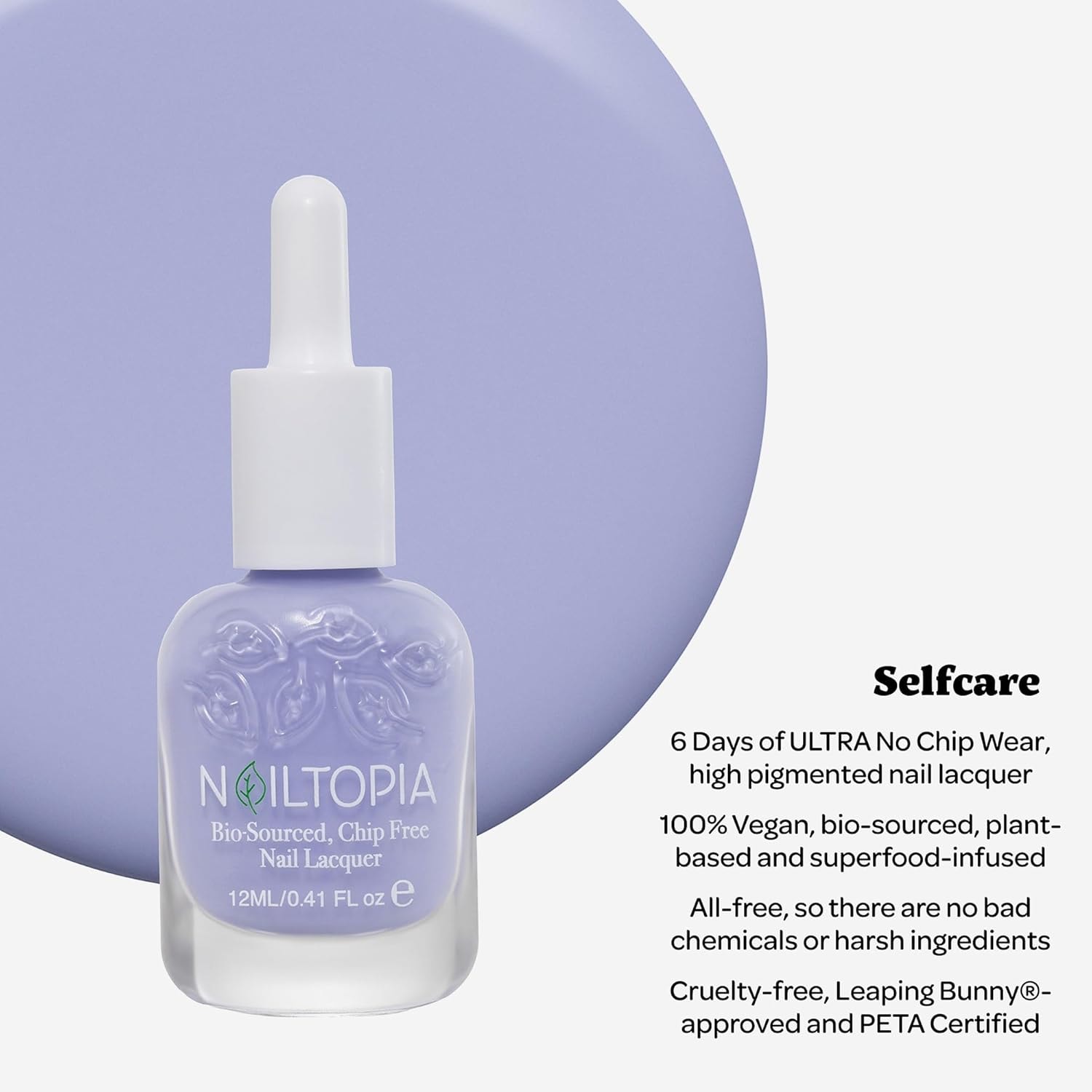
Nailtopia may get shipped in copious plastic :(
Water-based nail polish systems use aqueous carriers instead of traditional solvents, which reduces fumes and certain harsh chemicals. Brands like SOPHi and Acquarella fall into this category. However, water-based doesn’t automatically mean plastic free—these formulas still need film formers to adhere and shine. They’re gentler, not pure. Water-based nail polishes are considered a safer alternative to traditional polishes due to their lower toxicity and lack of strong odors. Non-toxic nail polishes are formulated without harmful chemicals like formaldehyde and toluene, helping to protect your nails and overall health.
Traditional polishes can cause nails to turn yellow and flake, but water-based or non-toxic alternatives help you avoid yellow discoloration and keep nails looking healthy.
The pragmatic approach: if you wear polish, make careful choices that minimize plastic where possible while acknowledging the inherent compromise.
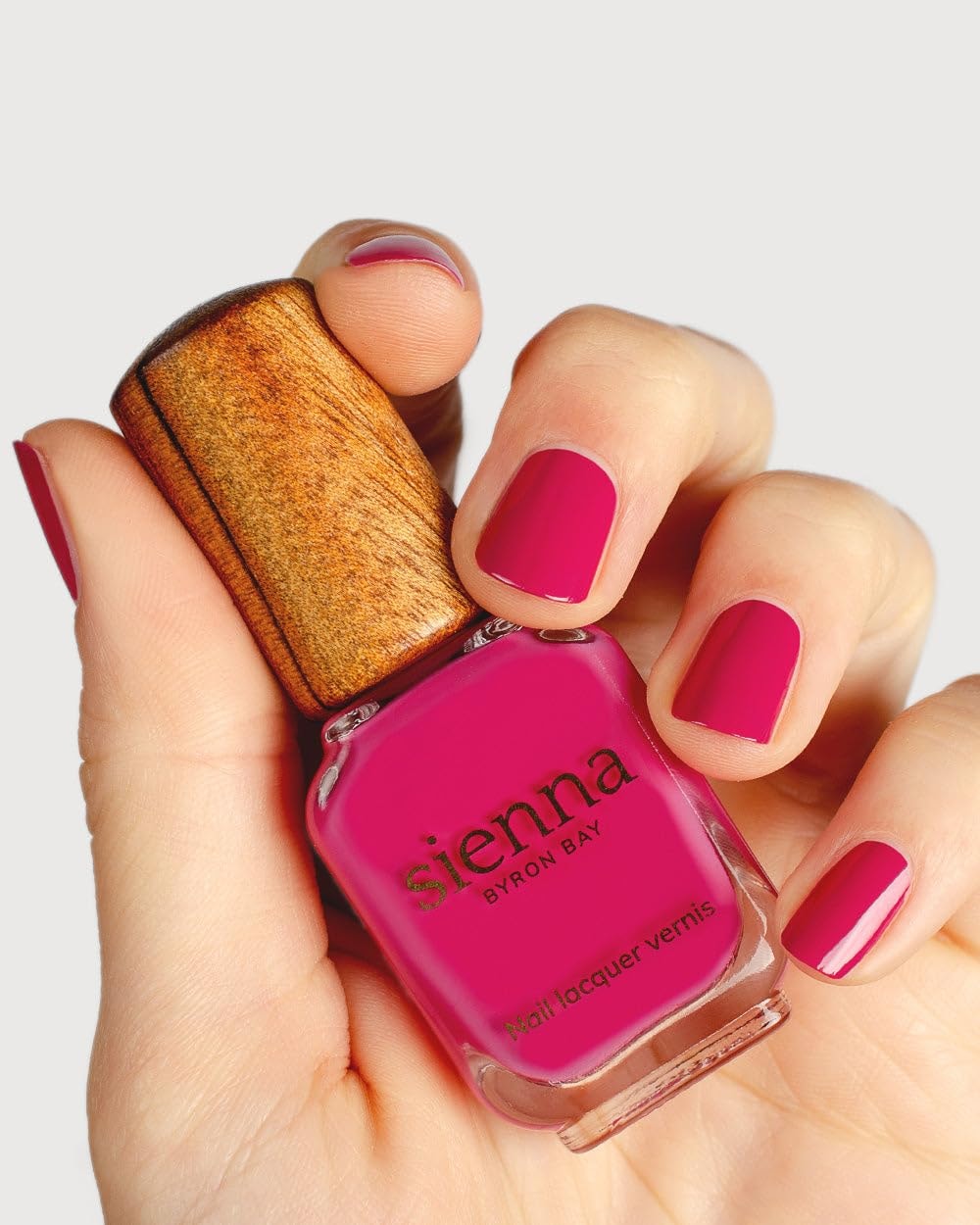
Sienna Byron Bay wood cap, undisclosed brush material but company offers in house recycling
Choosing “less plastic” nail color:
- Select glass bottles with metal caps when available
- Avoid excessive plastic in brush handles and cap construction
- Choose brands that publish full ingredient lists
- Look for formulas free from the harshest plasticizers and solvents
- Look for vegan, cruelty-free, and "Big 10-Free" nail polish formulas to avoid harsh chemicals
- Choose eco-friendly polishes from brands using sustainable packaging and non-toxic, vegan formulas such as Zoya, Habit Cosmetics, and Dazzle Dry. Eco-friendly nail polishes often come in recyclable packaging to reduce environmental impact.
- Limit how often you wear polish—save it for special occasions
- Pick classic, versatile colours (a good nude, a true red, a vibrant blue, a clear top coat) rather than collecting dozens of bottles. Many non-toxic brands now offer true blue shades that are both appealing and on-trend for any season.
Apply two coats maximum to reduce product use
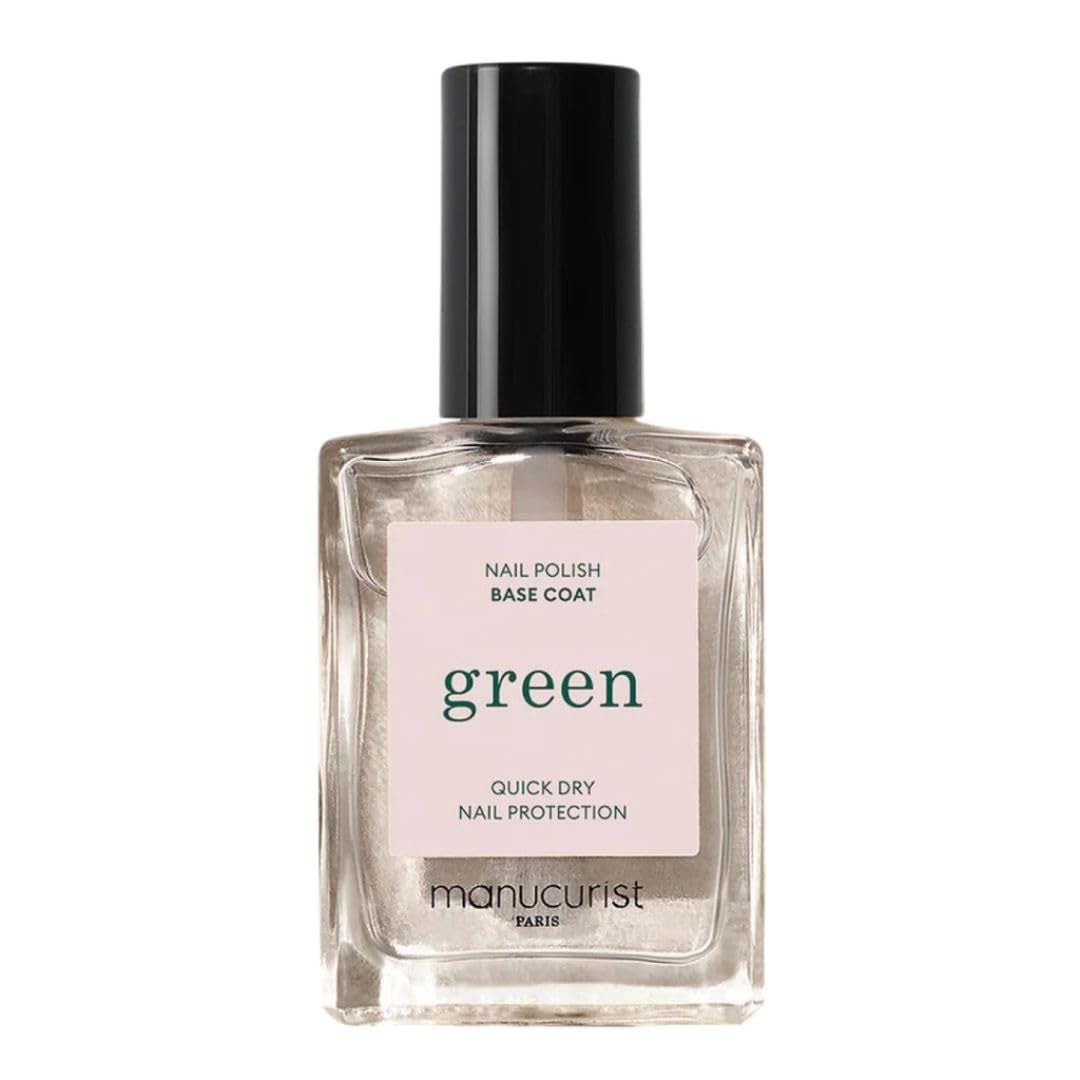
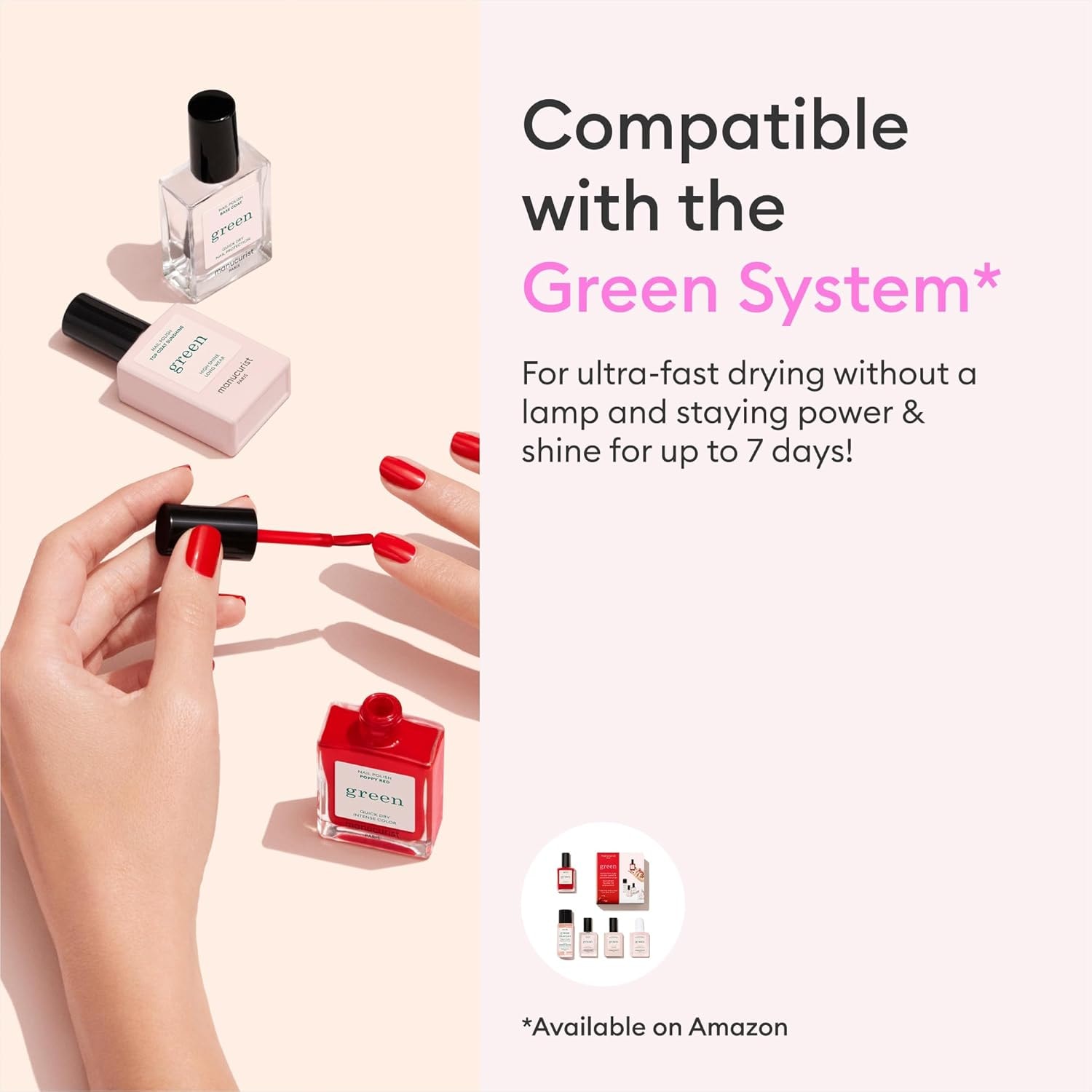
Manucurist Store. only 78% plant based with undisclosed brush material
Tips for applying and maintaining water-based or non-toxic nail polish:
- Prep nails by cleaning and lightly buffing the surface for better adhesion
- Apply thin, even coats and allow each layer to dry fully before the next
- Use a compatible top coat to extend wear
- Avoid soaking hands in water immediately after application
- For removal, use a gentle, acetone-free remover and moisturize nails afterward
The formula will still be plastic-based. But glass bottles, minimal packaging, and transparent ingredient lists represent meaningful harm reduction compared to conventional nail polish brands in full plastic packaging with undisclosed chemicals.
Understanding Labels: “Non-Toxic,” “X-Free,” “Vegan” vs Plastic Free
The beauty industry loves claims. Understanding what they actually mean helps you shop with clarity rather than confusion. But none of these labels guarantee the absence of plastic or petroleum-derived polymers. They address chemical safety—which matters—but the base formula remains a plastic film.
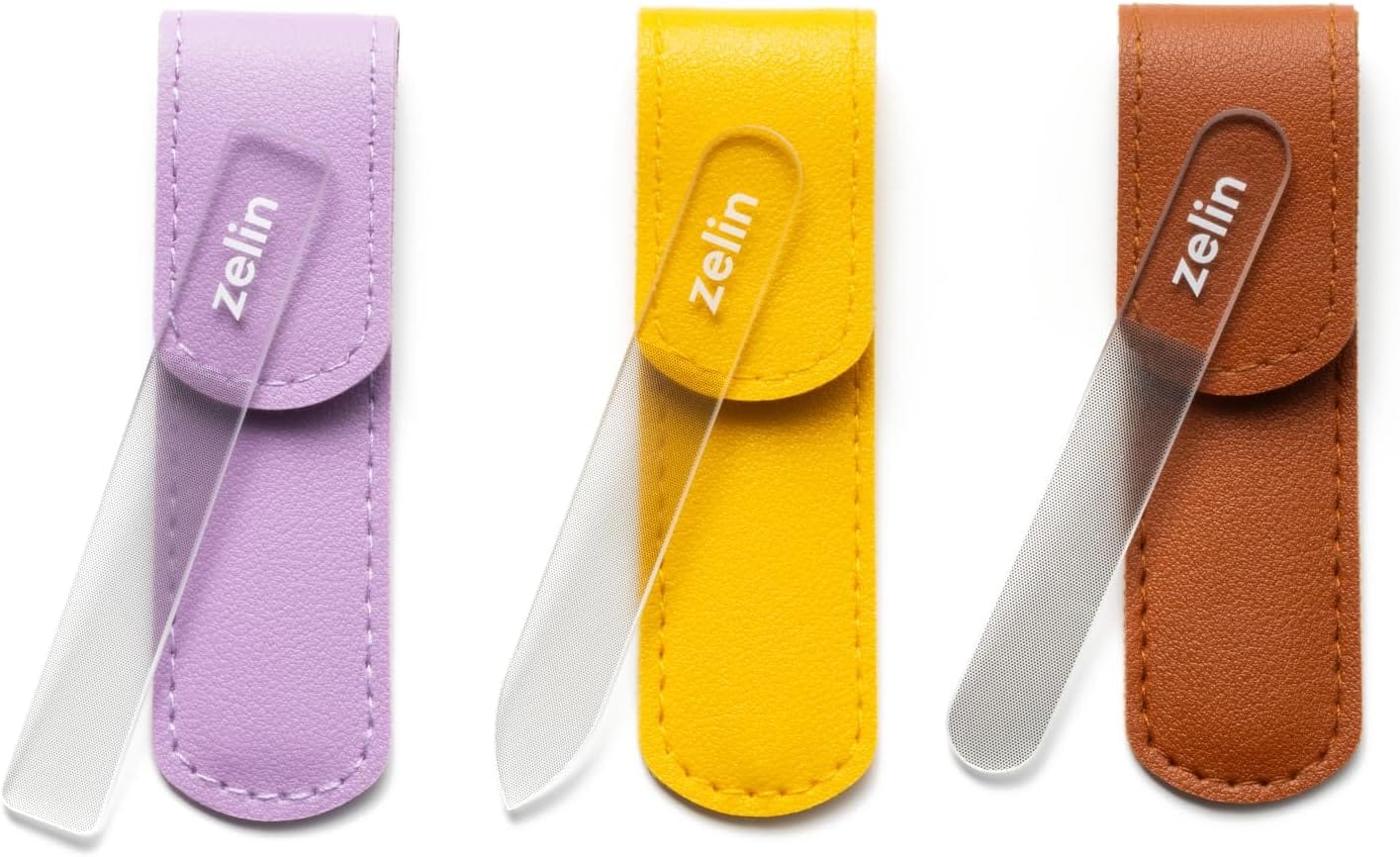
zelin store customers say these glass files come in real leather cases
Reading ingredient lists:
- Nitrocellulose — Primary film former, derived from cellulose but behaves as plastic
- Acrylates copolymer — Synthetic resin for adhesion and gloss
- Tosylamide-formaldehyde resin — Adhesion promoter (often removed in higher X-free formulas)
- Adipic acid/neopentyl glycol — Plasticizers replacing phthalates
- Iron oxides, titanium dioxide, mica — Common pigments (generally safe)
Prioritize brands that publish full INCI lists, hold certifications from programs like Made Safe or Leaping Bunny, and offer clear explanations rather than vague “non toxic products” marketing. The only brand truly serving your health interests is one that tells you exactly what’s in the bottle.
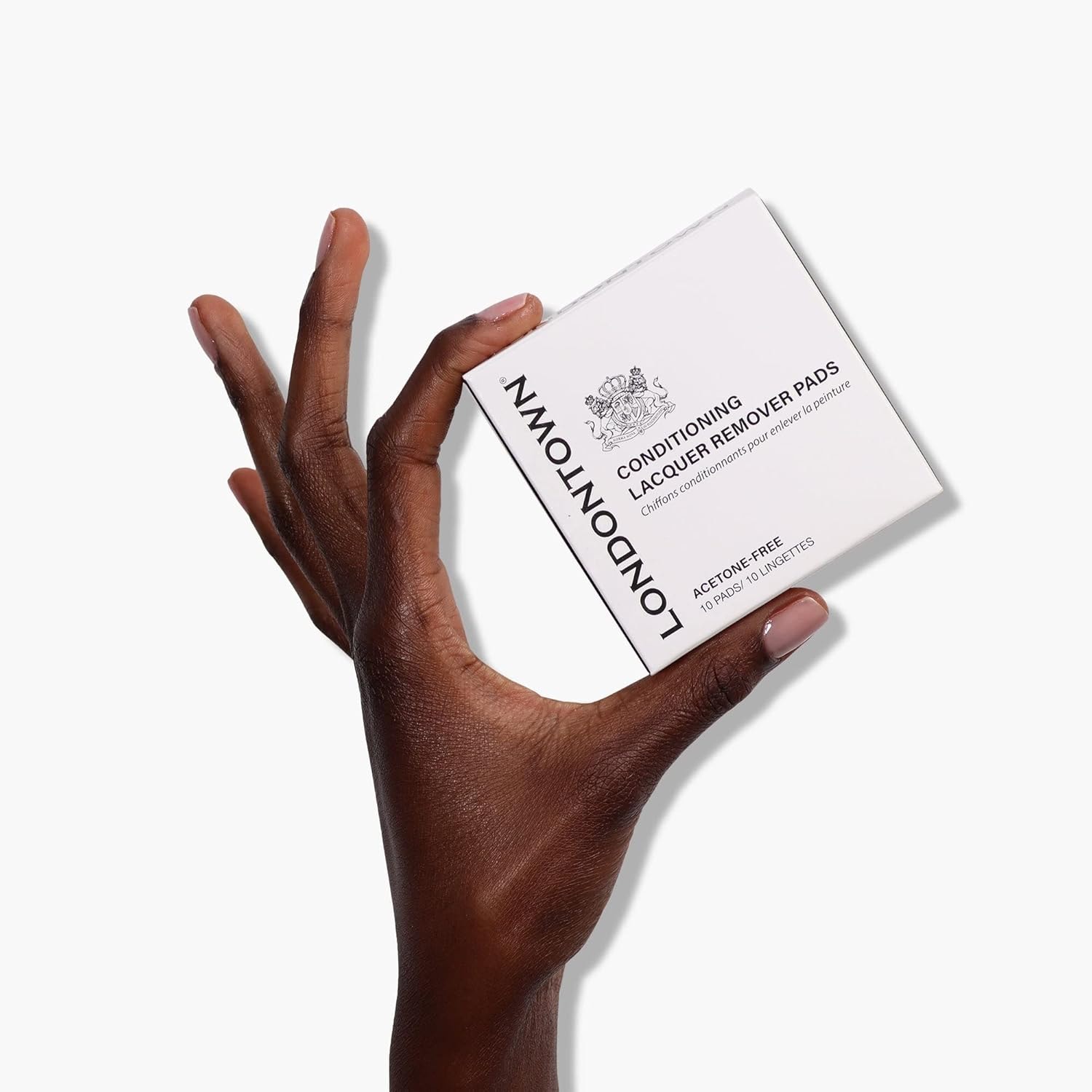
LONDONTOWN makes individually wrapped but completely disposable conditioning polish remover
Green Flash by Manucurist represents one example of a brand pushing boundaries—84% bio-sourced ingredients, LED-cured gel that removes in 60 seconds with oil rather than acetone, and transparent blacklists of excluded chemicals. It’s not fully plastic free, but it represents the leading edge of reduced-harm formulation.
Plastic Free Removal, Clean-Up, and Waste Handling
The removal process often carries a hidden plastic footprint: single-use cotton pads wrapped in plastic, plastic bottle caps on polish remover, and microplastic chips washed straight down the drain into water systems.
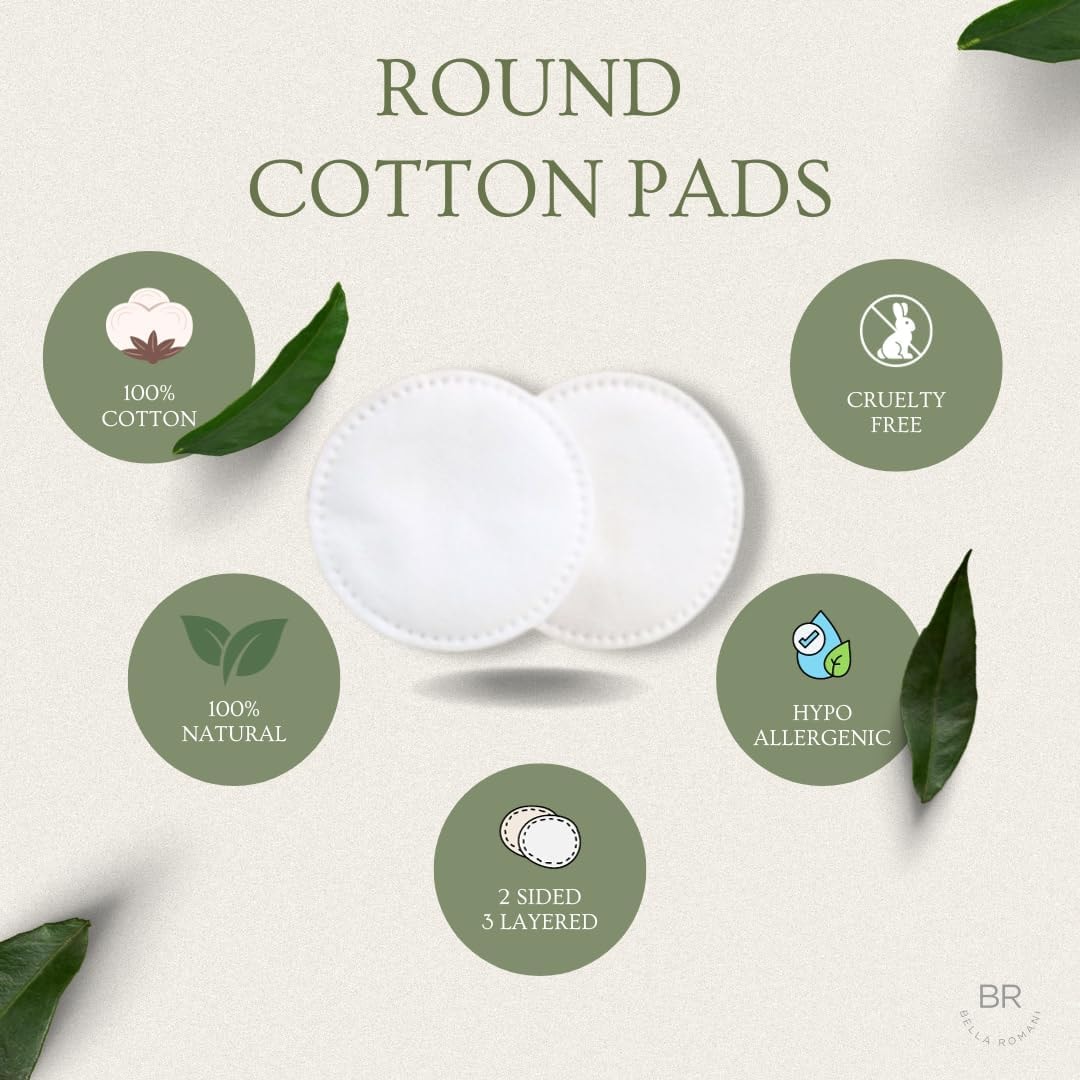
Start with reusable fabric rounds or squares. Organic cotton or hemp pads stored in a glass jar work identically to disposable cotton balls but can be laundered hundreds of times. Keep a dedicated small cotton mesh bag for washing them with your regular laundry.
For the remover itself, look for options in glass bottles. Some brands offer bio-based solvents like ethyl lactate (derived from corn) as gentler alternatives to harsh acetone. Soy-based removers use soybean oil esters that dissolve nitrocellulose without completely drying out cuticles. These are still solvents designed to dissolve plastic film—they should never be poured directly into waterways.
- Wipe polish off onto reusable pads using remover
- Let saturated pads dry completely before disposal
- Place dried pads and any flaked polish chips in household landfill waste
- Never rinse polish-saturated materials down the sink
- Never compost items containing polish residue
- Launder lightly used pads after drying
This approach keeps microplastics out of water systems. It’s not perfect—landfill isn’t ideal either—but it prevents the worst pathway of polish particles entering oceans and aqua ecosystems.
Setting Up a Low-Waste Manicure Station at Home
Create a dedicated, compact kit that holds everything you need for a plastic free manicure. A small metal tin, wooden box, or canvas roll organizes tools and makes the routine feel intentional rather than scattered.
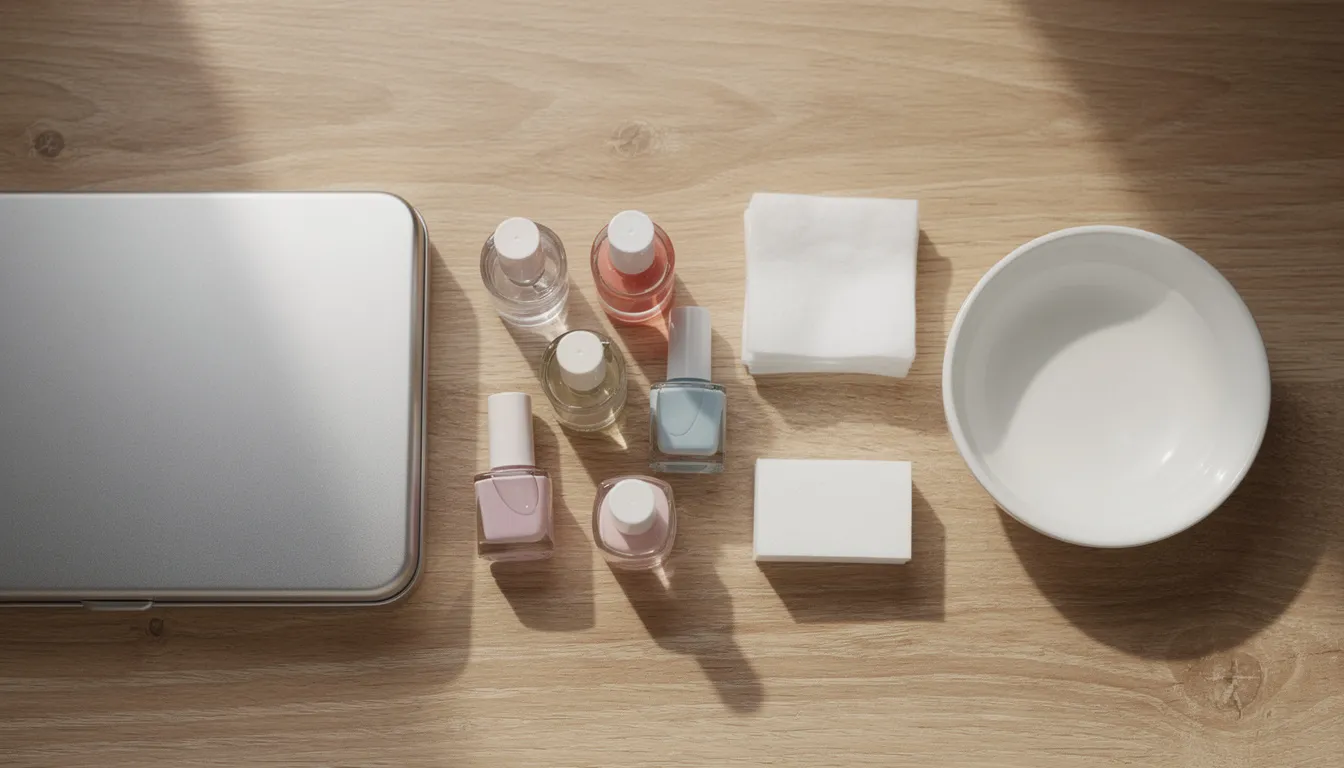
Essential station components:
- Metal or wooden container for storage
- All plastic free tools (clippers, glass file, pusher, brush)
- Glass bottle of cuticle oil
- Reusable cotton or hemp pads
- Small cloth towel
- Ceramic or glass bowl for soaking
- “Dry discard” jar for used pads (empty glass jam jar works perfectly)
The “dry discard” jar is key. Used pads and any nail clippings go here to dry completely before being emptied into household waste. This prevents flushing or washing materials down drains where they’d enter water treatment systems.
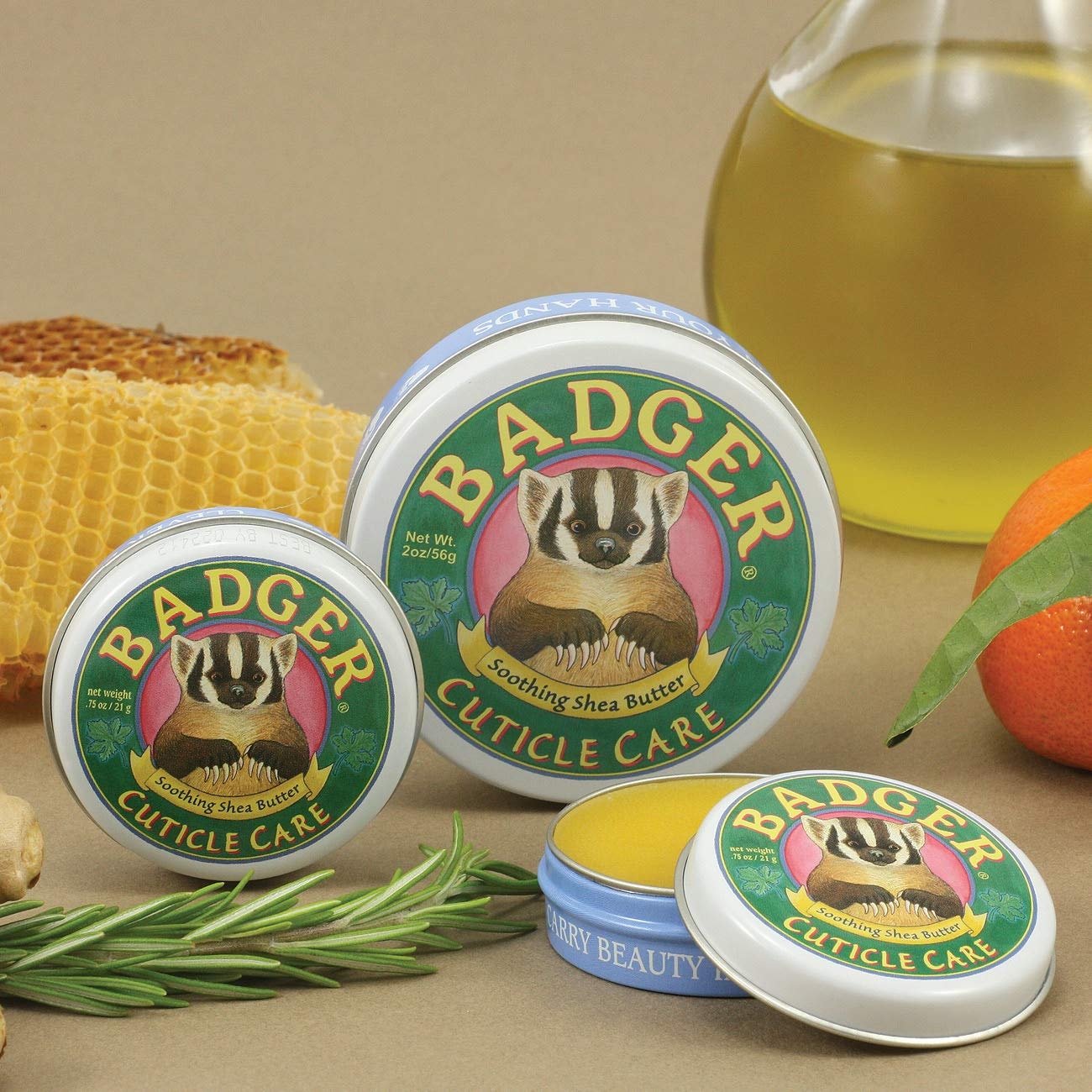
Badger Store. 100% organinic cuticle care in metal tin
Consider keeping a handwritten or printed care guide in your kit: how often to sanitize metal tools, when to replace wooden sticks, which oils work best for your skin. This maximizes lifespan and minimizes waste through proper maintenance.
Step-by-Step: A Realistic Plastic Free (or Nearly Plastic Free) Manicure Routine
This complete routine covers preparation through finish, minimizing plastic at every step. If you choose to add polish, that step is marked clearly as the one compromise.
Preparation (plastic free):
- Set out your metal tin/box with all tools
- Fill a ceramic or glass bowl with warm water
- Lay out your cloth towel and reusable pads
- Ensure glass oil bottle and balm tin are within reach
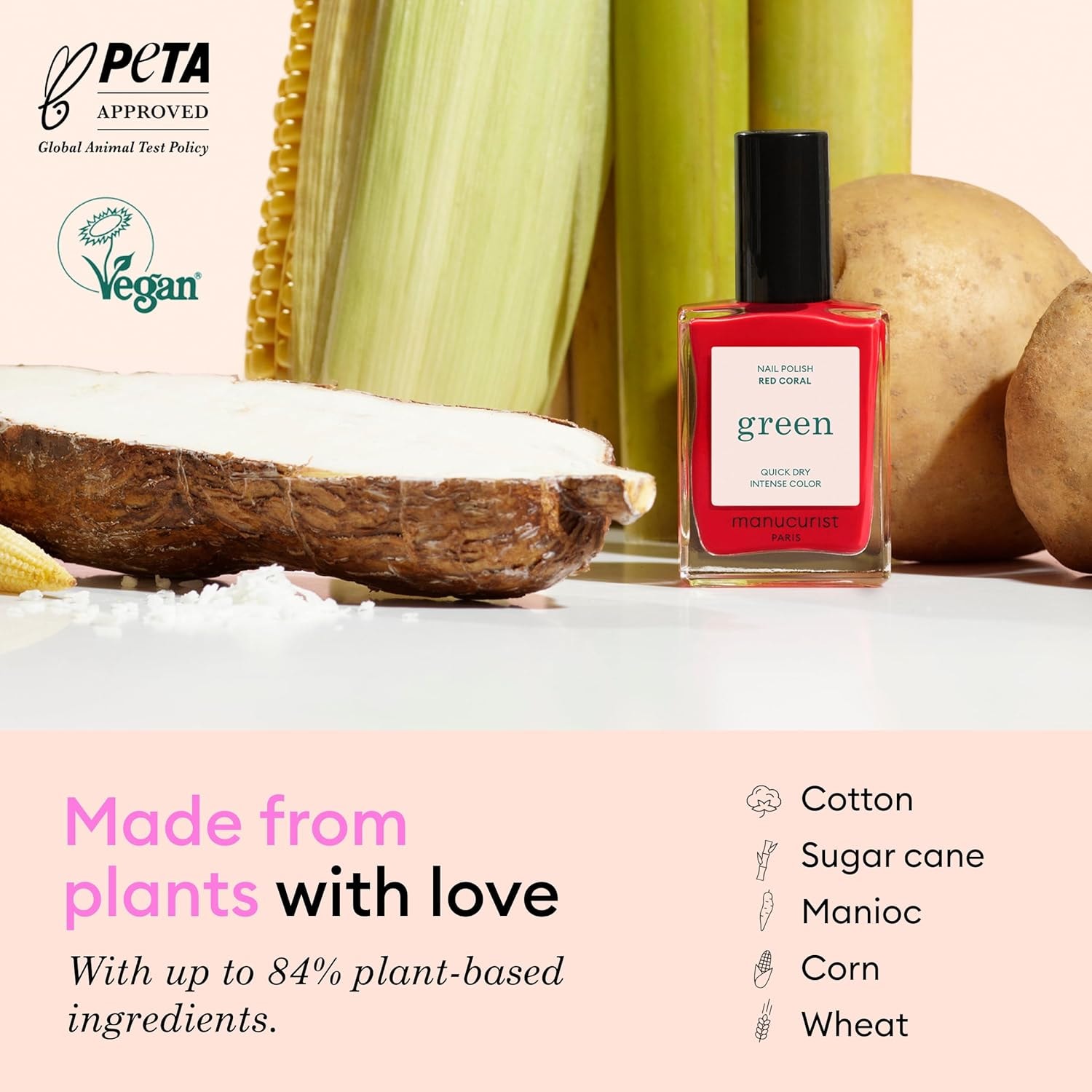
Manucurist Store. made in France, but no telling if the nylon brush itself is plant based too
Shaping and cuticle care (plastic free):
- Soak hands in warm water for 3-5 minutes to soften cuticles
- Dry hands with cloth towel
- Shape nails using your glass nail file, working in one direction (not sawing)
- Gently push back cuticles using a wooden stick or metal pusher
- Never cut live cuticle tissue—only trim loose hangnails with sanitized nippers
Treatment and shine (plastic free):
- Apply cuticle oil generously to nail beds and surrounding skin
- Massage oil in for 1-2 minutes per hand
- If desired, buff nails lightly with a glass or ceramic buffer for natural shine
- Limit buffing to once every 1-2 weeks to avoid thinning
- Finish with hand balm, massaging from wrists to fingertips
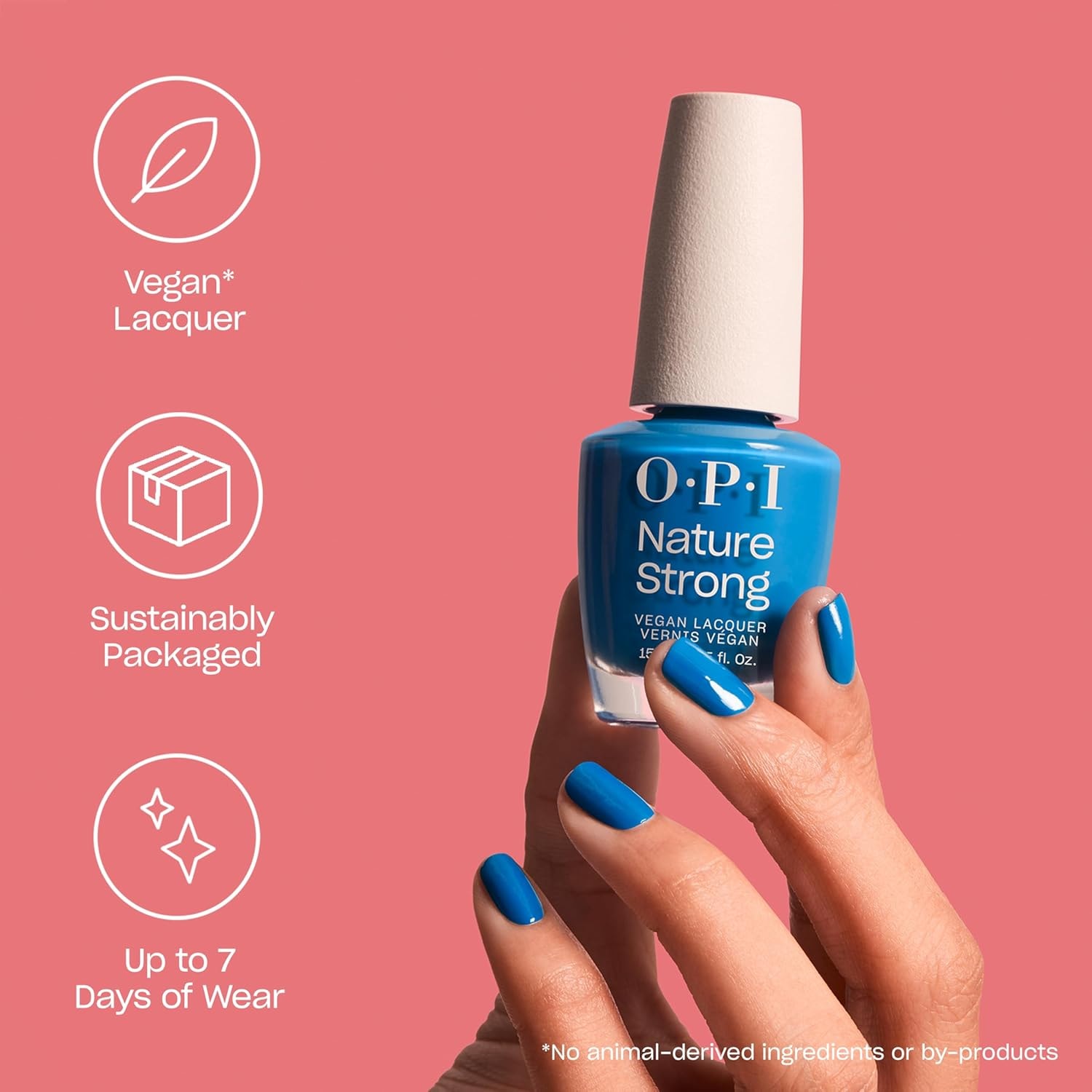
OPI Premium Brand. plant based formula but unclear if nylon brush is plant based too
Optional polish (NOT plastic free):
- If adding color, apply a thin base coat first
- Apply one to two coats of your chosen shade, allowing dry time between
- Finish with a thin top coat for durability and gloss
- Clean any mistakes with a cotton pad dipped in polish remover
- Let nails dry completely before touching anything
Tips for best results with water-based or non-toxic nail polish:
- Prep nails by removing all oils and residue for better adhesion.
- Apply thin, even coats and let each layer dry fully before adding the next.
- Cap the free edge of each nail to help prevent chipping.
- Avoid soaking hands in water for several hours after application to extend durability.
- Moisturize cuticles regularly, but avoid heavy oils right after polishing.
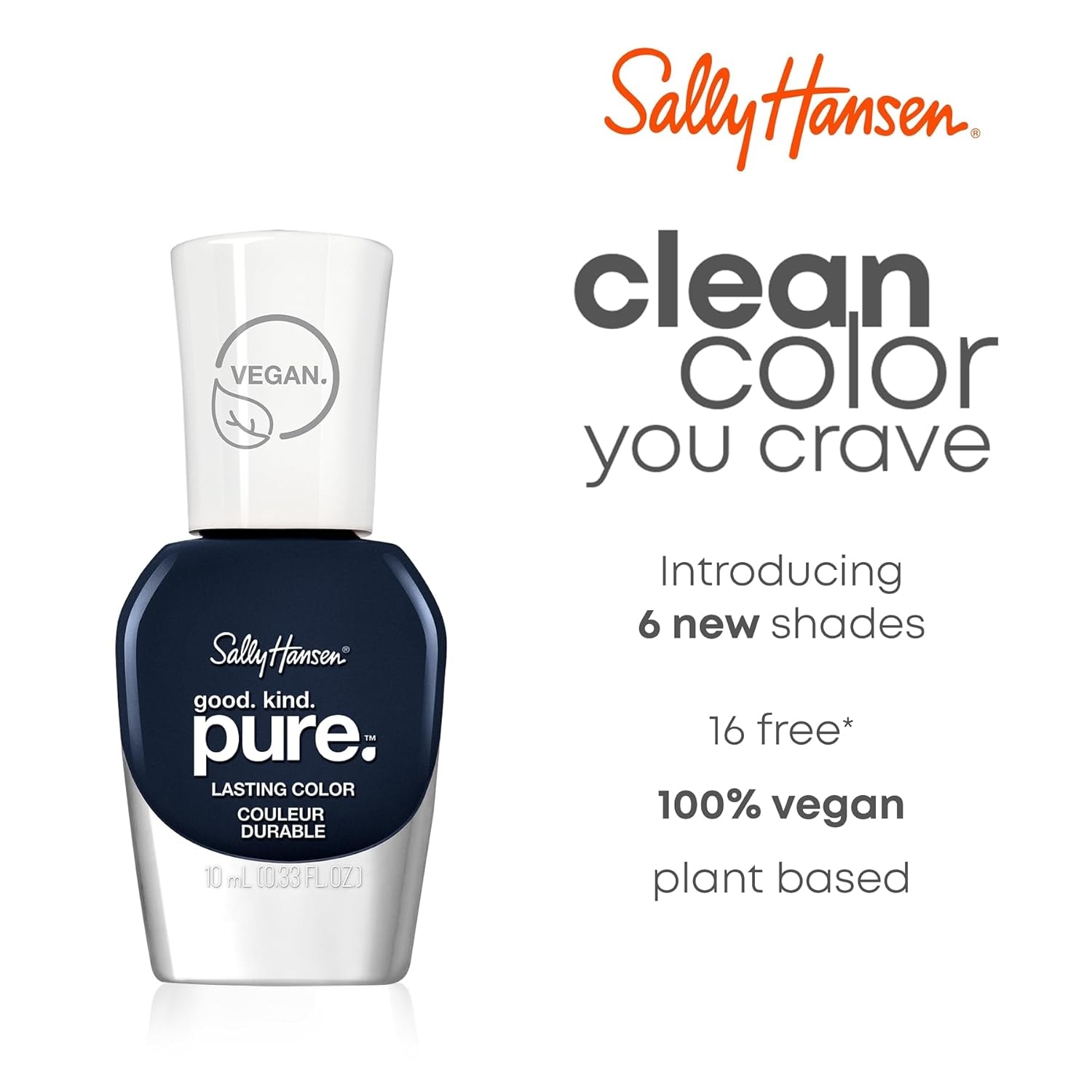
Sally Hansen Good Clean Pure. the ONLY brand I know for sure is making use of plant based nylon for their brushes
Safety reminders:
- Sanitize all metal tools with 70% alcohol before and after use
- Patch test new oils on a small skin area first
- Watch for signs of allergic reaction (redness, itching, swelling)
- Stop buffing immediately if nails feel tender or thin
- Keep acetone and solvents away from open flame
This routine produces beautiful nails whether you stop at the oil-and-buff stage (fully plastic free) or add color (minimal plastic compromise with careful choices).
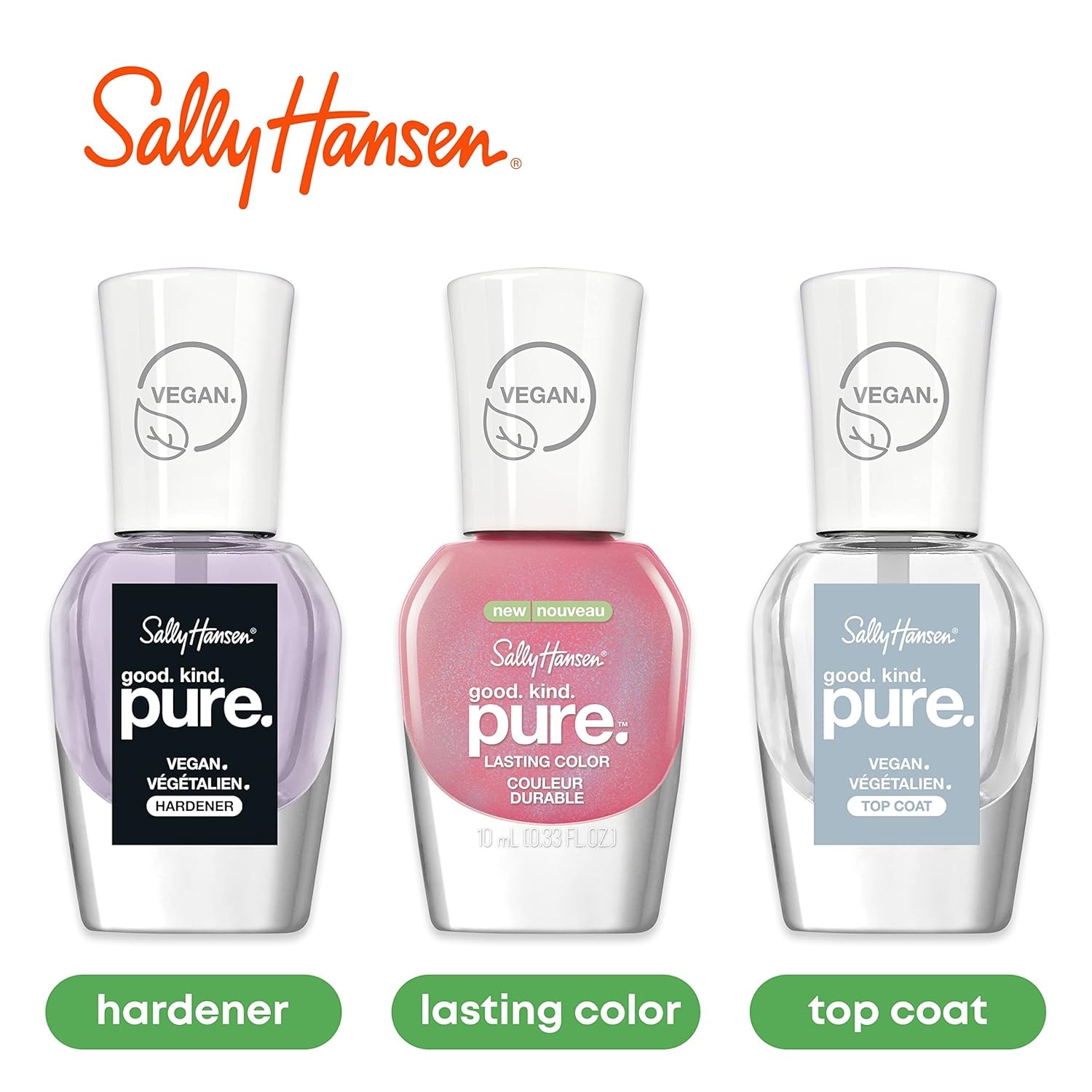
Sally Hansen Good Kind Pure. 100% natural brush bristles
Adapting the Routine for Salons and Professionals
Nail technicians and salon owners can make meaningful plastic reductions without overhauling their entire service menu. The switches require upfront investment but reduce ongoing waste and appeal to environmentally conscious clients.
Professional plastic reduction strategies:
- Switch to metal and glass tools exclusively (sanitize between clients)
- Purchase polish remover in bulk glass bottles, decanting into smaller glass containers
- Invest in reusable textile towels and pads, laundering professionally between appointments
- Explore refill systems for oils, removers, and other liquids
- Replace foam buffers with glass or ceramic alternatives
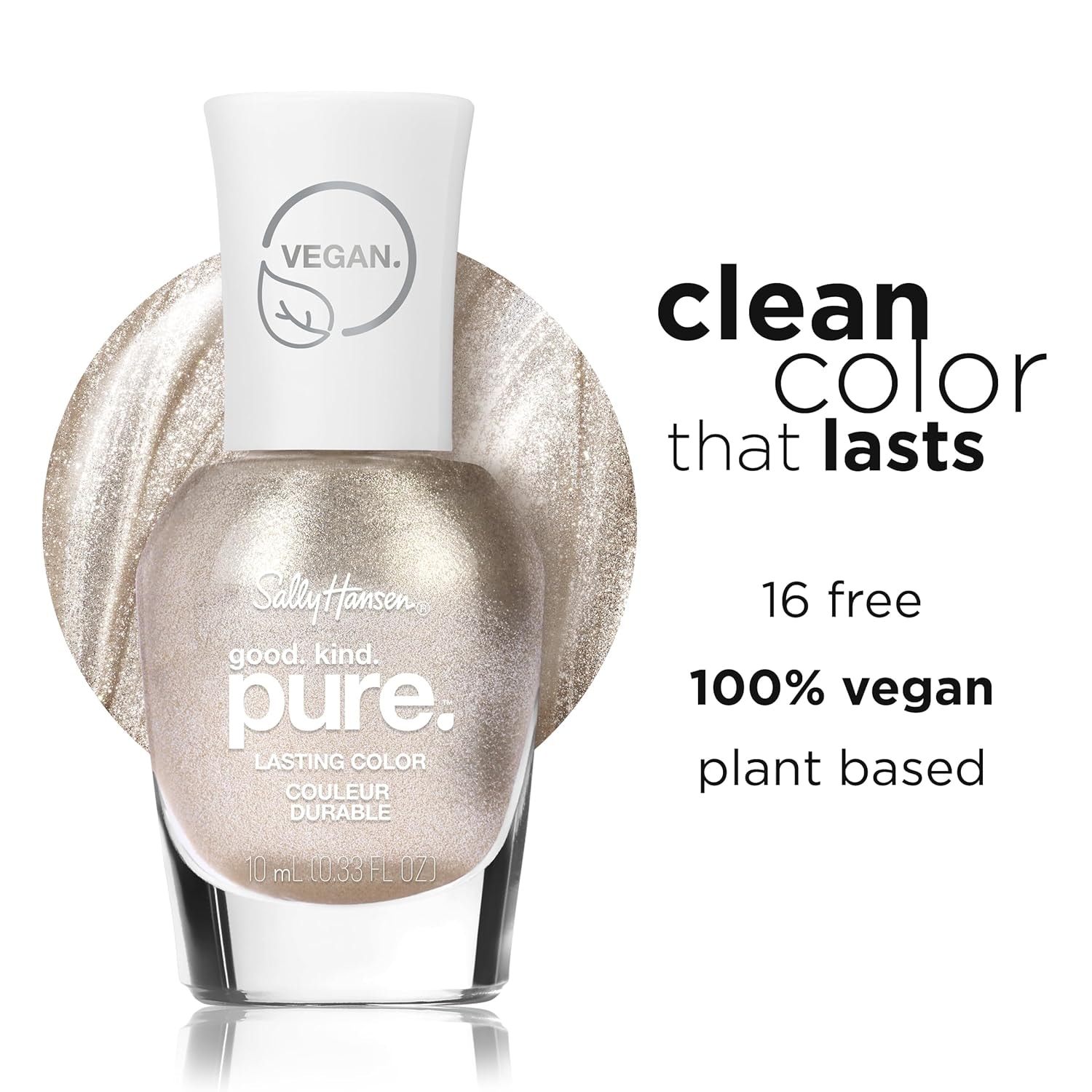
Sally Hansen Good Kind Pure. currently THE most plastic free nail polish option
Consider offering a “low-plastic manicure” as a specific menu option. This service skips gels and acrylics, minimizes plastic wrap and foil (used in gel removal), and focuses on treatment, massage, and natural shine. Position it as a wellness-focused, gentle alternative to conventional options—appealing to clients concerned about nail damage from repeated gel manicures.
Visible cues communicate your approach to clients before they even sit down: glass jars holding tools, wooden brushes arranged attractively, metal bowls for soaking, cotton towels instead of paper. These details signal care and intention, justifying premium pricing for the low-plastic service.
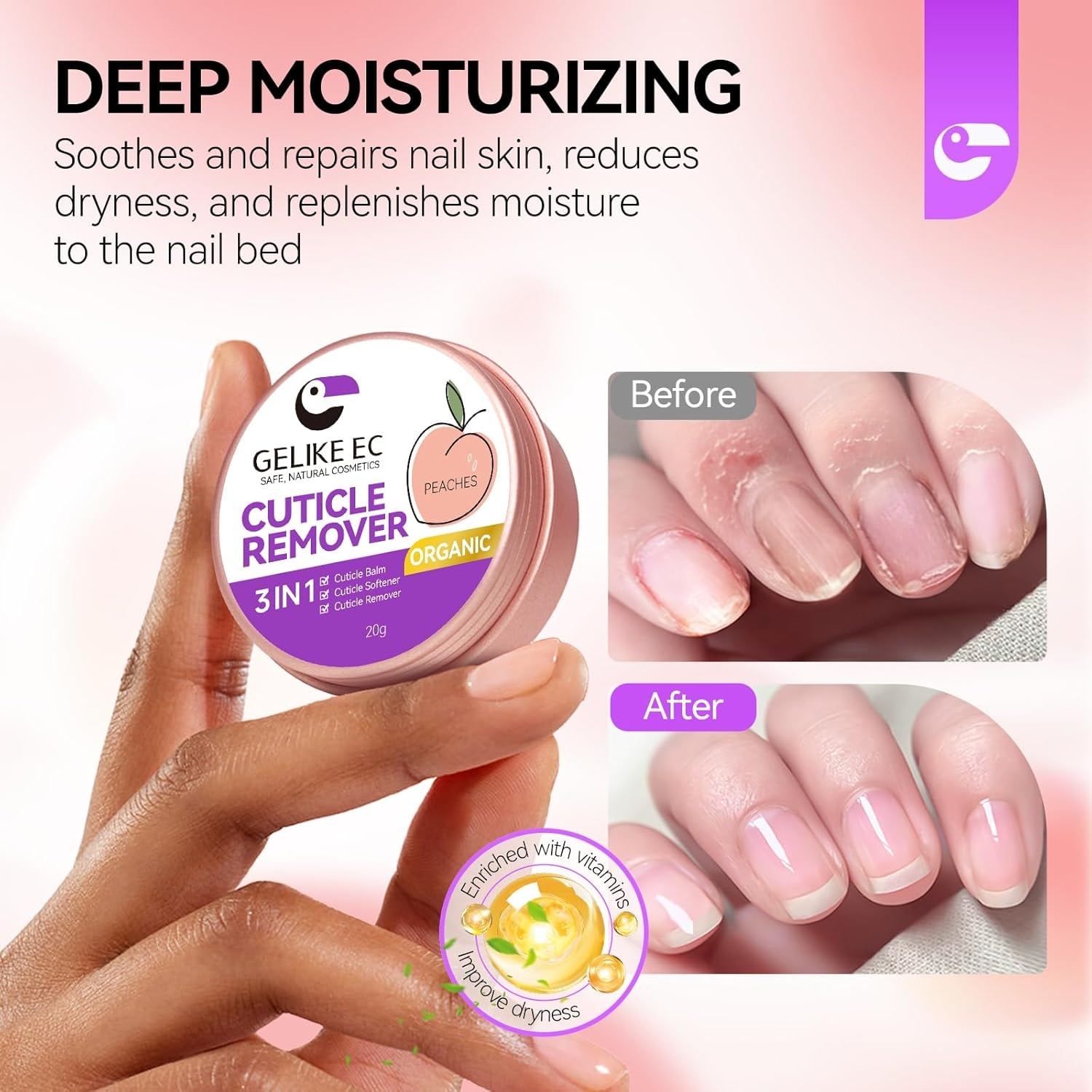
gelike ec Store. cuticle cream in tin
How to Shop for Plastic Free Manicure Products in 2026 and Beyond
Armed with knowledge, shopping becomes simpler. Before purchasing any manicure item, run through this checklist:
Materials checklist:
- Is it made from metal, glass, wood, or natural fibers?
- If it has a handle, is the handle plastic or wood/metal?
- Will it last years with proper care, or is it designed for disposal?
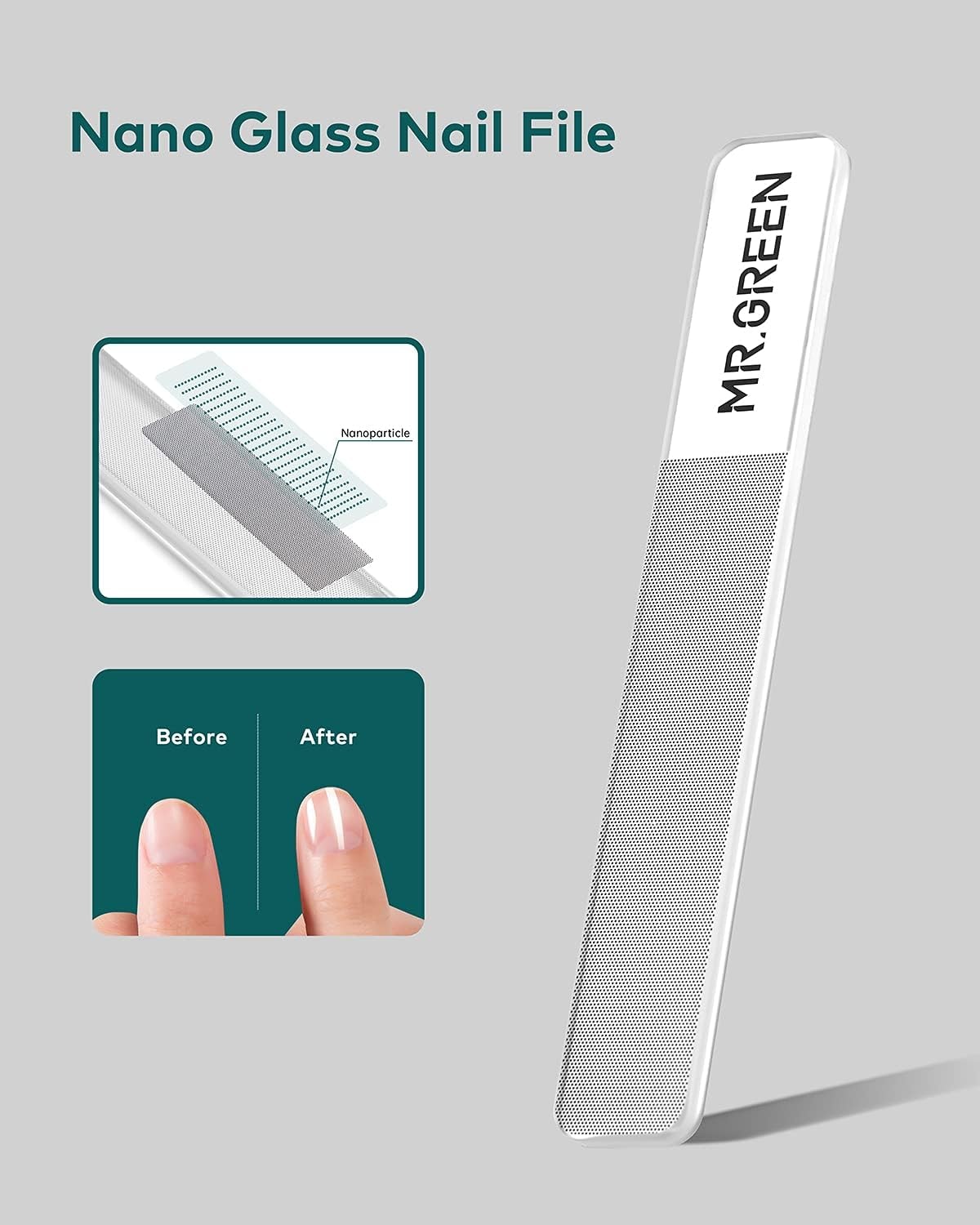
Mr Green Store. glass nail buffer
Packaging checklist:
- Is the primary container glass, metal, or cardboard?
- Is the cap plastic or metal?
- Are there unnecessary plastic inserts, wrappers, or seals?
- Does the brand offer refills or bulk options?
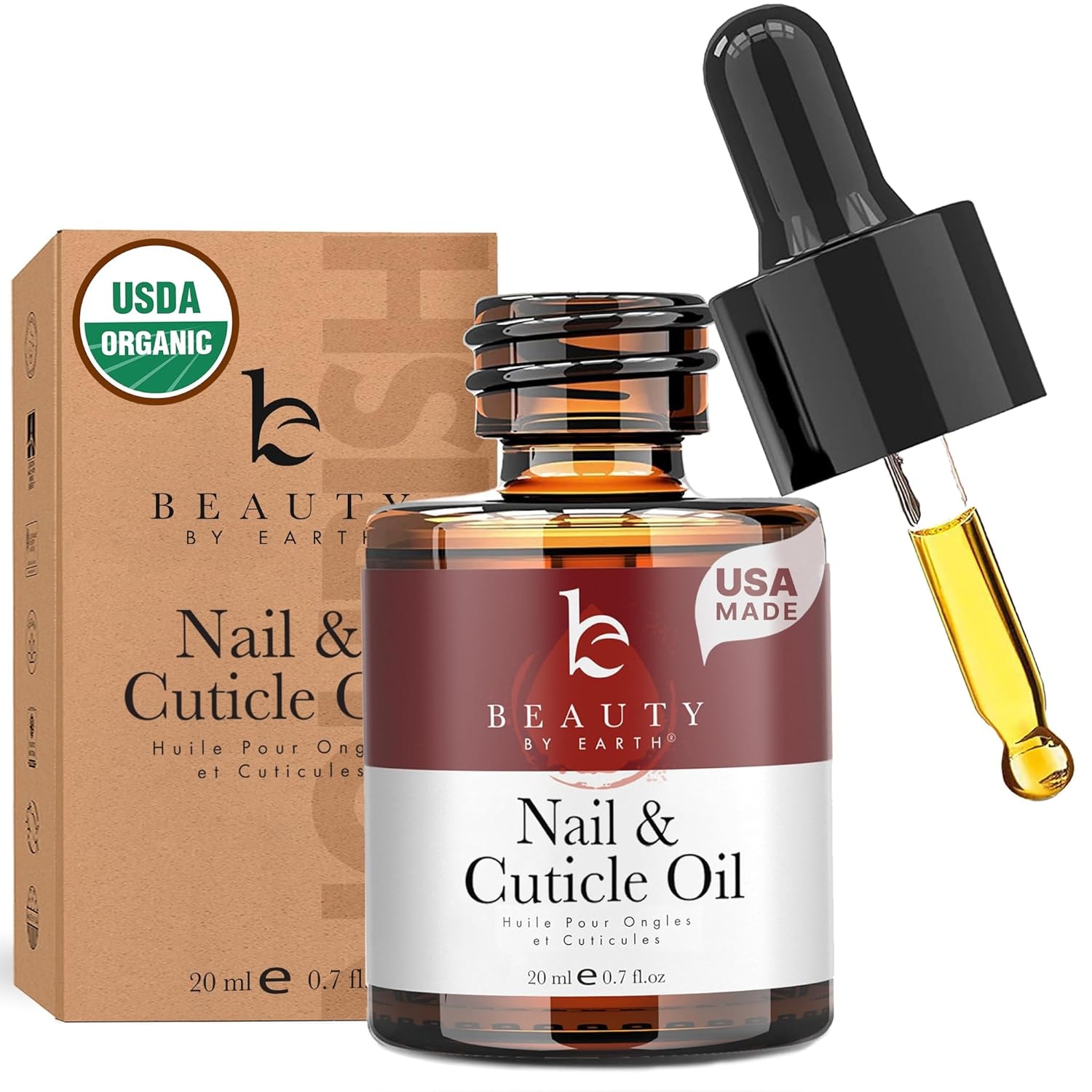
Beauty by Earth Store. cuticle oil
Liquids and formulas checklist:
- Does the brand publish a full ingredient list?
- Are harsh solvents and plasticizers minimized?
- Is the formula in glass rather than plastic bottles?
- Is the company transparent about what it excludes and why?
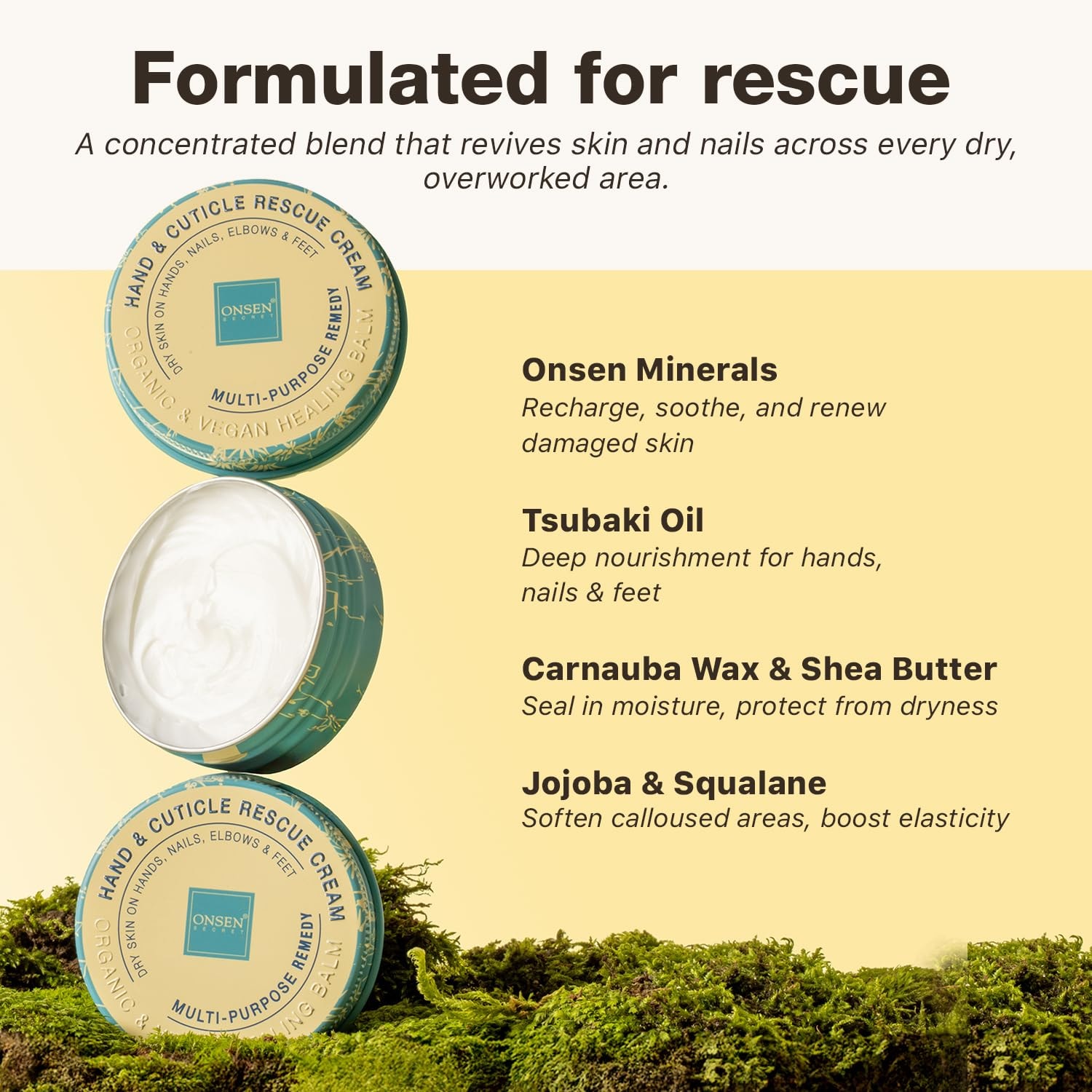
Onsen Secret Store cuticle cream
The “fewer, better” principle:
Buy one high-quality glass nail file instead of multi-packs of disposable emery boards. Choose one or two versatile polish colours in classic shades—a soft pink, a clean red, a pale nude—instead of accumulating dozens of bottles. Invest in one multi-use oil (jojoba works for cuticles, hands, and skin everywhere) instead of specialized serums in separate plastic packaging.
The money you save by not constantly replacing cheap plastic tools covers the upfront cost of quality alternatives. In the long run, plastic free choices cost less while generating far less waste.
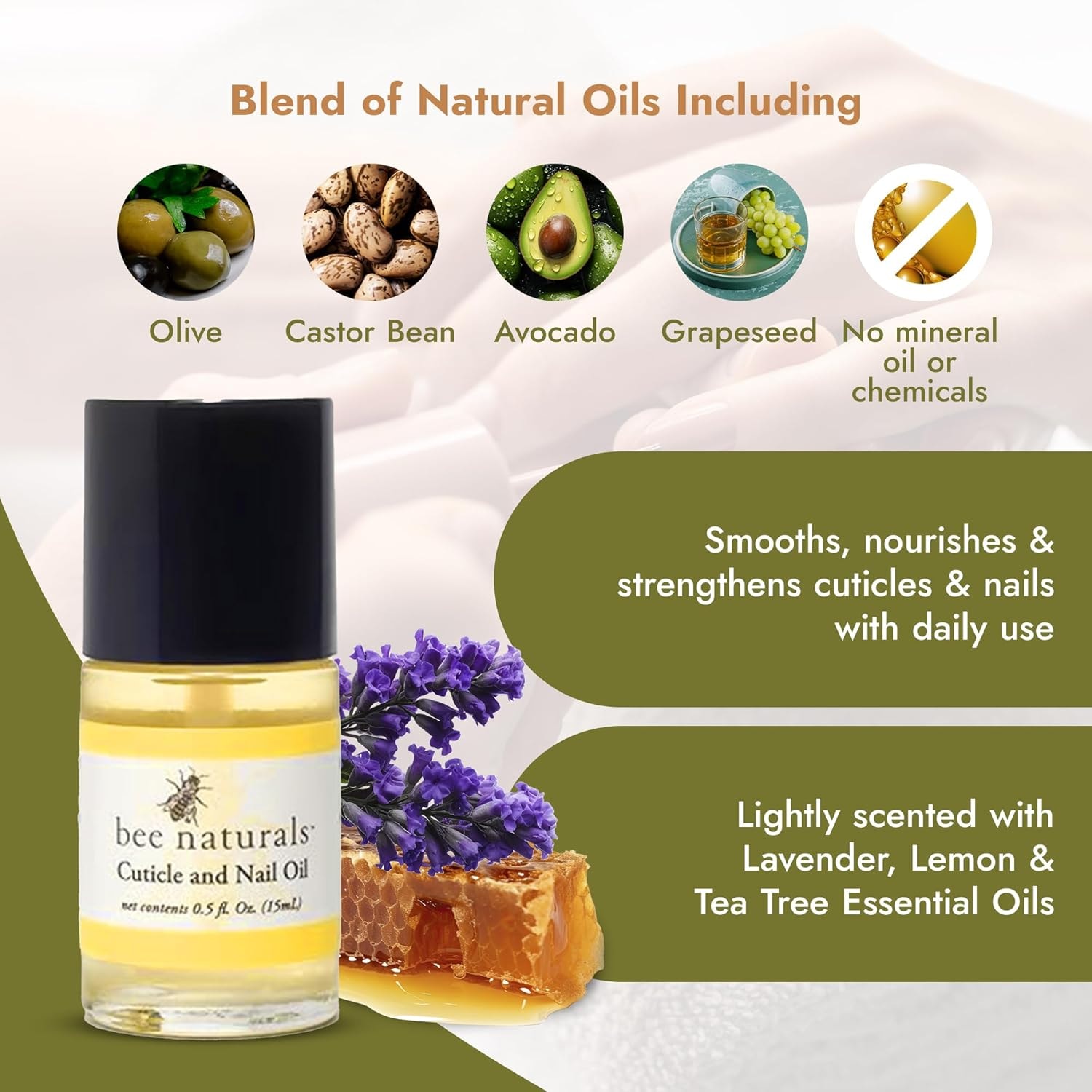
Looking ahead:
The industry is evolving. Bio-sourced resins from plant oils and wood pulp are becoming more common in polish formulations. LED-cured gels like Green Flash offer faster removal without harsh acetone soaks that cause damaged nails. Brands are exploring mycelium and algae-based materials that could bring fully biodegradable polish closer to reality.
For now, the most sustainable path is often the simplest: healthy, hydrated, gently buffed natural nails that need minimal intervention. When you do paint, choose carefully, use sparingly, and dispose responsibly.
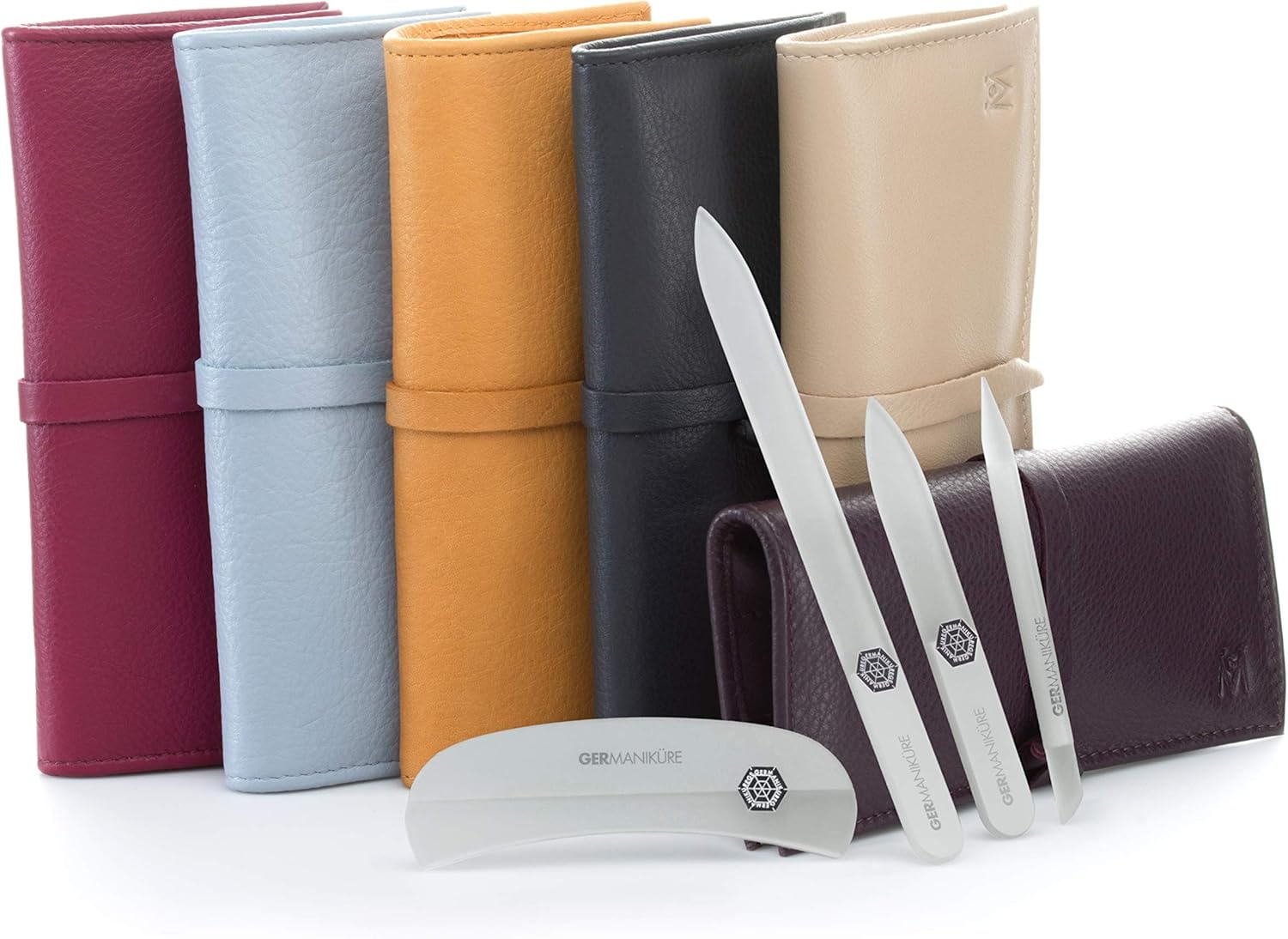
GERMANIKURE premium Czech glass in genuine leather case
Plastic free manicures are mostly achievable right now for tools, care, and maintenance. Polish technology is still catching up. In the meantime, your amazing nails don’t need plastic to shine—they just need consistent, gentle care with products that respect both your body and the planet.
Your next step: Pick one plastic item in your current manicure kit—a disposable file, a plastic-handled tool, a foam buffer—and replace it with a plastic free alternative this month. Small swaps compound into significant change.


no-plastics.com
FAQs
Are there any studies measuring microplastics from manicures / nail products specifically?
Beat the Microbead (VU Amsterdam) found PET glitter particles in Essie polish.
Studies on nail salons show high airborne microplastics (acrylic, rubber, polyurethane) from treatments, filings, and products.
Broader research links nail polish chipping/flaking to environmental microplastic release (similar to single-use plastics).
No massive population-level studies exist solely on manicures, but it's recognized as a contributor alongside other cosmetics.
What happens to the plastic from nail polish when it goes down the drain during removal?
During acetone or remover use, dissolved polish (including glitter particles) often goes down the drain. Wastewater treatment plants don't fully capture microplastics, so they end up in rivers, oceans, and soil. Chipped/flaked polish in trash can also degrade into microplastics over time in landfills. This adds to the steady stream of beauty-related microplastics entering ecosystems.
Do peel-off base coats or certain top coats release microplastics when they flake?
Peel-off base coats (often PVA-based) are water-soluble and generally not considered solid microplastics (they dissolve rather than persist as particles). However, flaking during wear or improper removal can still release tiny polymer fragments. Conventional top coats with plasticizers or acrylics contribute more to microplastic shedding than true peel-offs. Gel/acrylic manicures (thermoset plastics) are worse, as cured pieces/abrasion dust release persistent microplastics.
Is glitter polish one of the worst offenders for microplastics?
Yes — by far. Glitter in nail polish is typically plastic (PET, aluminum-coated plastic, etc.), and studies (e.g., Beat the Microbead analysis on Essie) confirm PET particles in popular brands. These don't biodegrade, chip off during wear, and enter waterways via removal or flaking. Glitter is often called "the new microbeads" in beauty contexts because it behaves similarly once released.
Does regular nail polish contain microplastics or plastic ingredients?
Yes, many conventional nail polishes do — primarily through glitter particles (often polyethylene terephthalate/PET or similar plastics) and sometimes other synthetic polymers used as film-formers or thickeners. Standard nail polish is essentially a liquid plastic suspension (nitrocellulose or acrylic polymers dissolved in solvents), so when it chips, flakes, or is removed, it contributes microplastic-like fragments. However, not all polishes have solid microplastic particles; some use water-soluble polymers that don't qualify as microplastics under strict definitions (e.g., insoluble particles <5 mm). Glitter-heavy or metallic polishes are the biggest culprits.
For More Information:
 Jacqueline Kilikita
 Rebecca Fearn
 Jessica Byrne