Plastic Free Shoes: A C. mplete Guide to Truly Natural Footwear
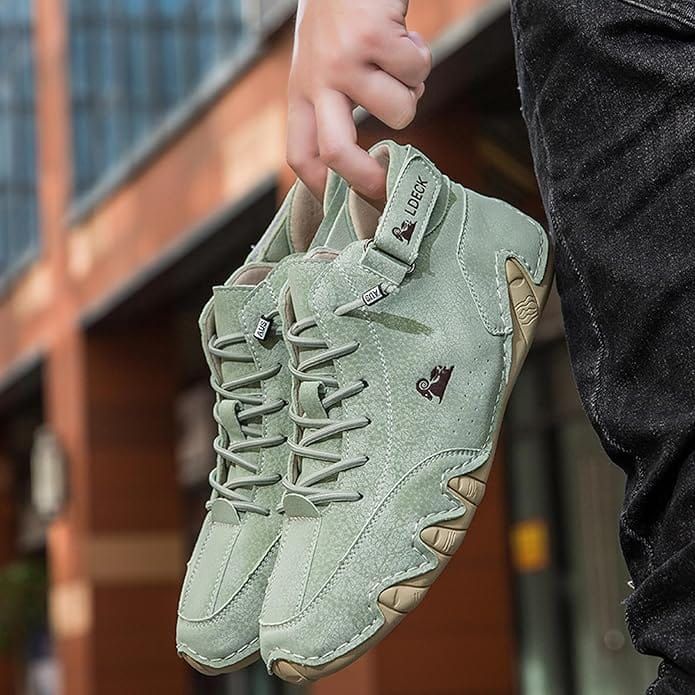
Finding footwear that’s genuinely free from synthetic polymers takes more than trusting a green label. Here’s what you need to know to find, wear, and care for shoes made entirely from natural materials.
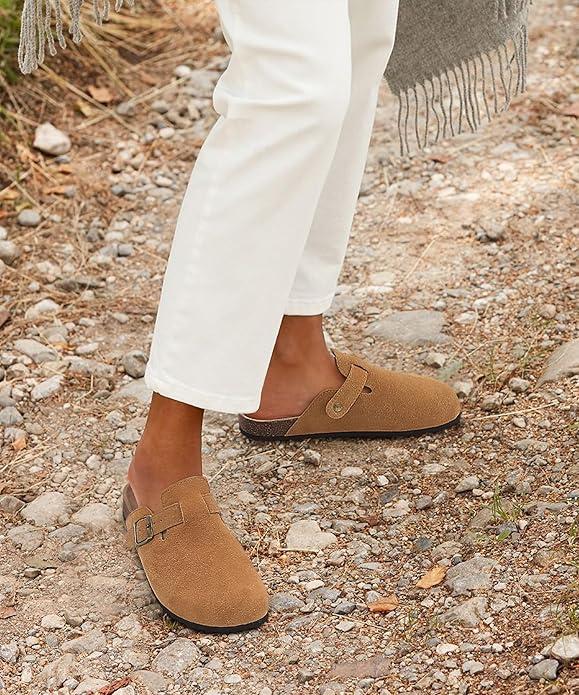
KIDMI Store. cork and suede, compare with CUSHIONAIRE natural clogs
Quick Answer: What Are Plastic Free Shoes?
Plastic free shoes are footwear constructed entirely from natural materials—organic cotton, hemp, linen, natural rubber, cork, and plant based alternatives like Mirum—with zero synthetic polymers in any component. This means no polyurethane, PVC, EVA, polyester, or nylon hiding in uppers, linings, soles, laces, threads, or glue.
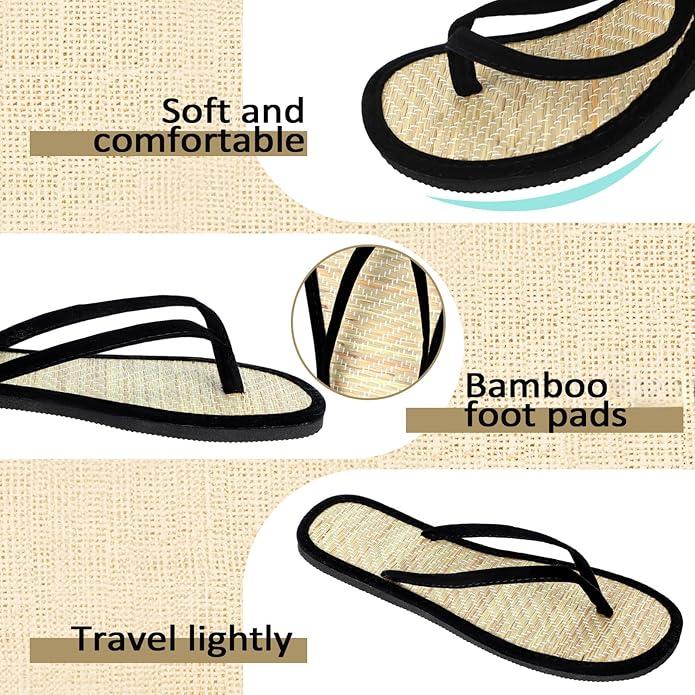
Cozypower Sandals very affordable bamboo, natural rubber soles
Plastic-free shoes are made from 100% natural, bio-based, or upcycled materials that ideally biodegrade or can be fully recycled. Unlike “recycled plastic” or “low-plastic” options, true plastic free footwear leaves no persistent microplastics in the environment.
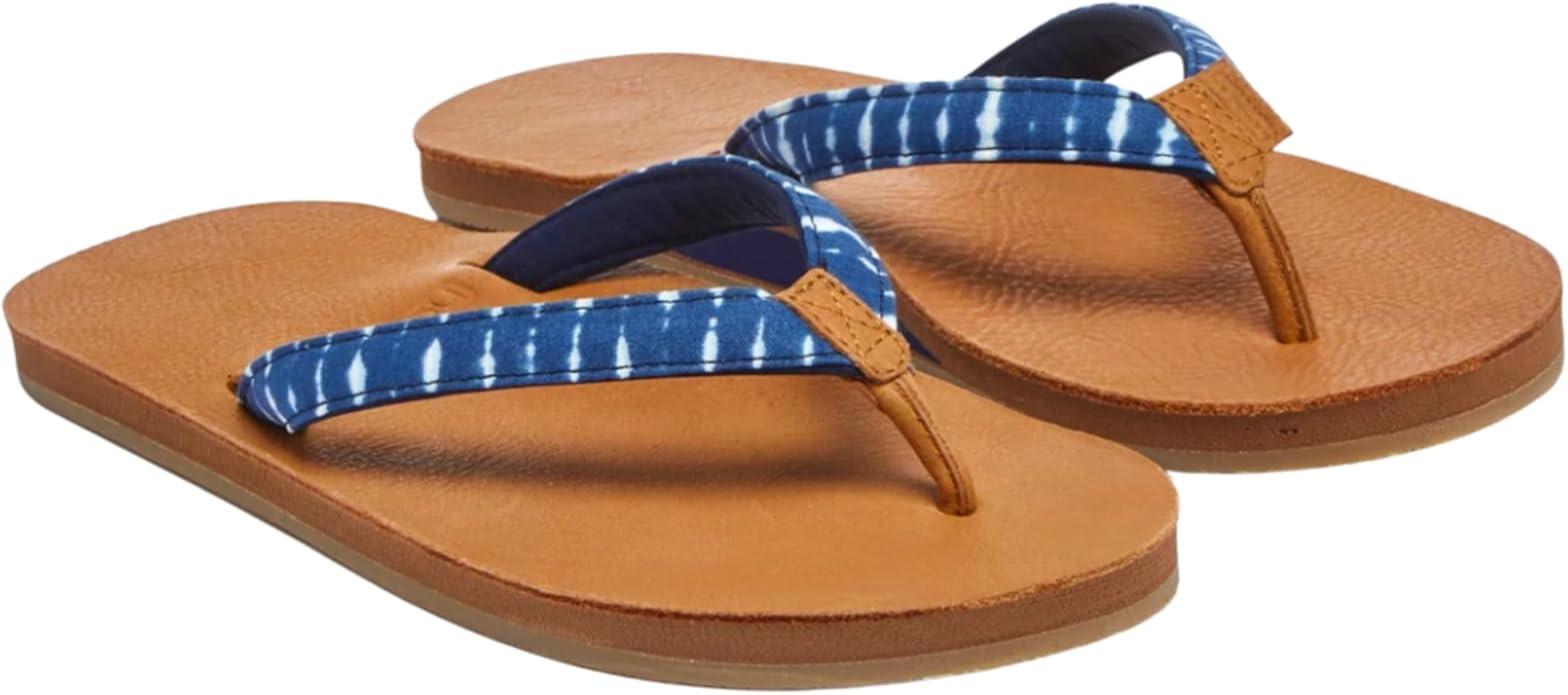
Hari Mari Store** natural rubber, genuine leather and cotton**
Key benefits include:
- No microplastic shedding during use or disposal
- Superior durability, better breathability, and significantly lower environmental impact
- Compostable or biodegradable at end of life
- Skin-friendlier materials without toxic chemicals
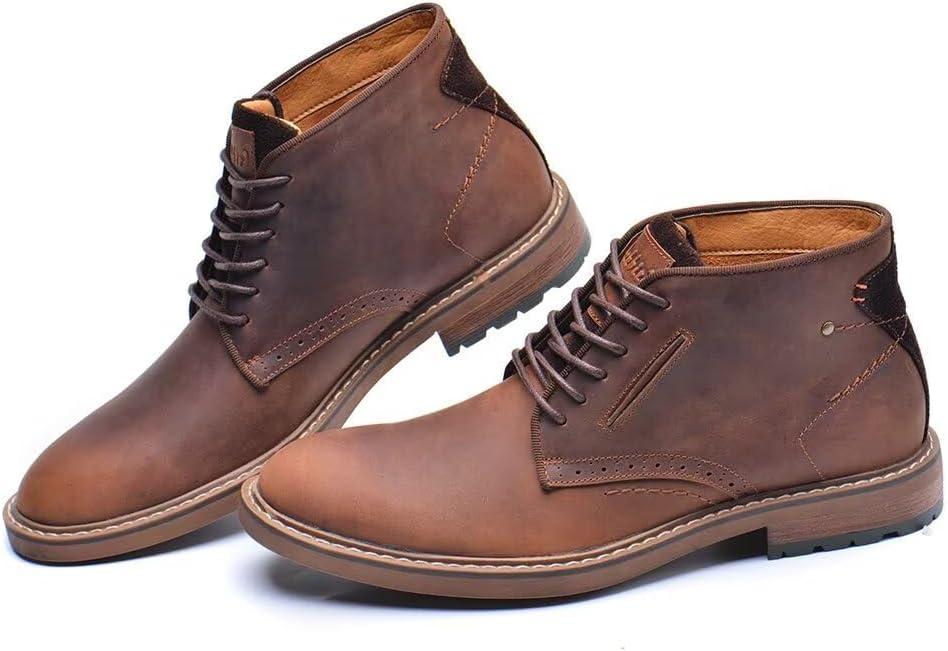
Arkbird Store 100% plastic free classic men's chukka boot
The key point is that plastic-free shoes offer superior durability, better breathability, and a significantly lower environmental impact by avoiding microplastic pollution.
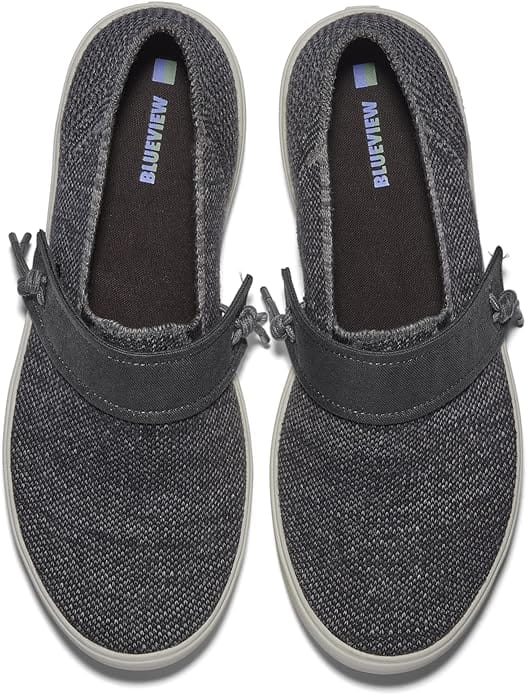
BLUEVIEW Pacific Sustainable Shoes made with breakthrough technology, a sun oil, plant based, biodegradable polyurethane, truly revolutionizing the footware industry
Demand surged between 2024–2026, partly inspired by Prince William wearing plant based Purified sneakers at the Earthshot Prize ceremonies.
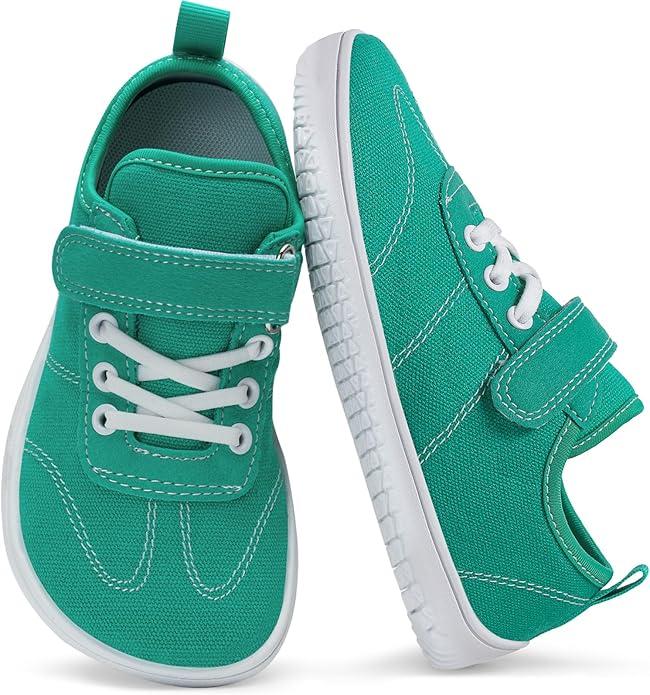
LEDINEY breathable natural canvas, natural rubber soles, for kids, compare with ANTLULU for kids
Why Plastic Free Shoes Matter in 2026
Conventional trainers contain 10–15 different plastics: EVA foam midsoles, TPU overlays, polyester mesh, and nylon threads. Plastics-free materials do not shed persistent microplastics into the ecosystem during use or disposal—unlike synthetic soles that release millions of particles with every step.
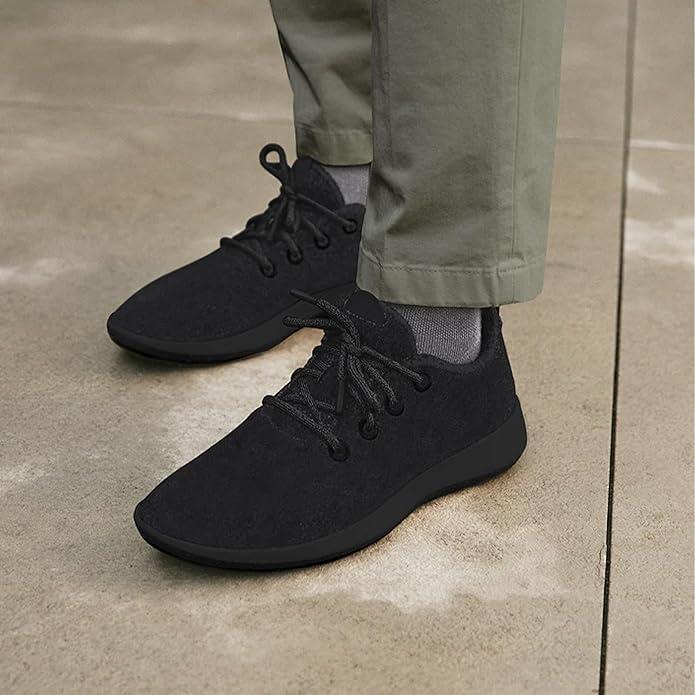
Allbirds Wool with Sugarcane soles
Globally, 24 billion pairs of shoes are discarded yearly. Plastic-based pairs persist in landfills for centuries. At home, synthetic foams off-gas VOCs, and plastic dust tracked indoors contaminates house environments.
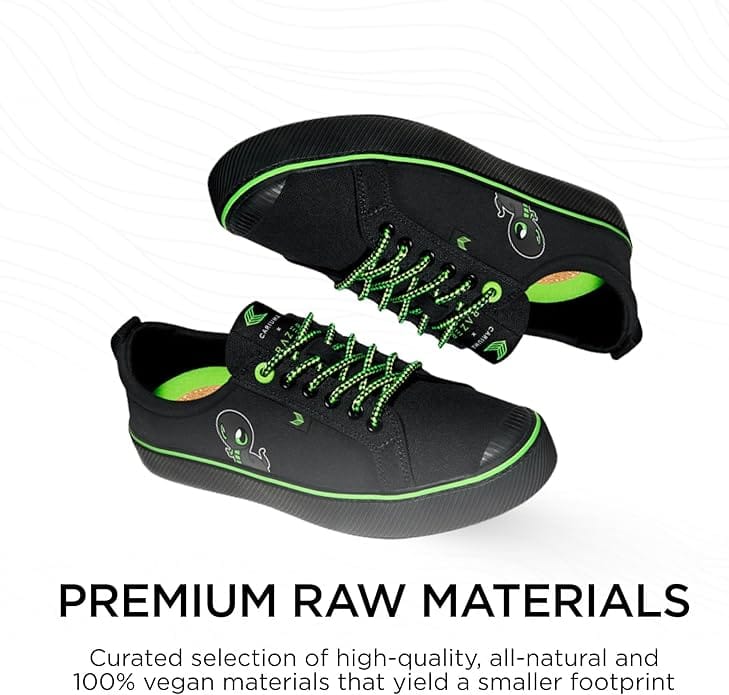
Cariuma Store made with cotton canvas, natural rubber, mamona oil and cork
The core reasons to change come down to three points:
- Environmental: Zero persistent waste
- Health: No petrochemical irritants on your feet
- Comfort: Breathable fibers that work with your body
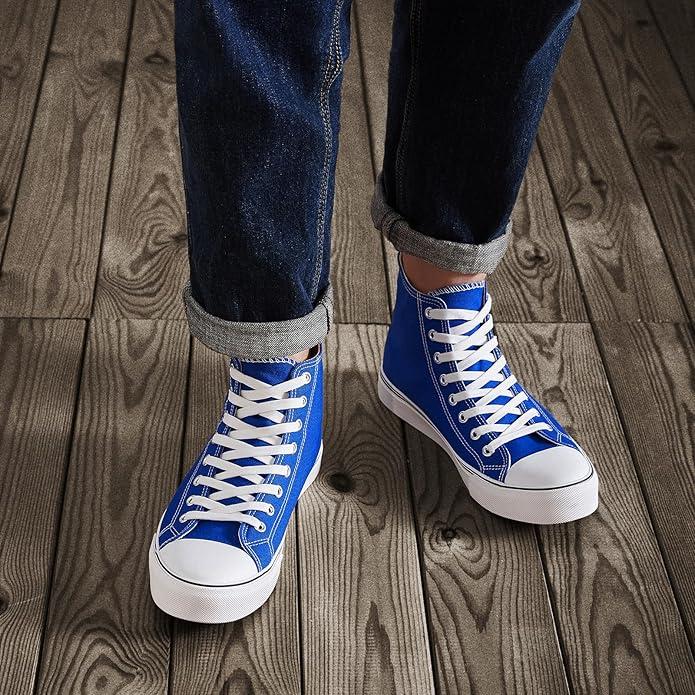
ZGR Store. natural rubber cotton canvas high top sneakers
Natural Materials Like Organic Cotton That Make Plastic Free Shoes Possible
Material choices determine whether a shoe is genuinely plastic free. Brands like Purified and Rawganique are examples of companies that produce shoes without toxic chemicals, focusing on sustainable materials such as organic cotton, linen, and hemp.
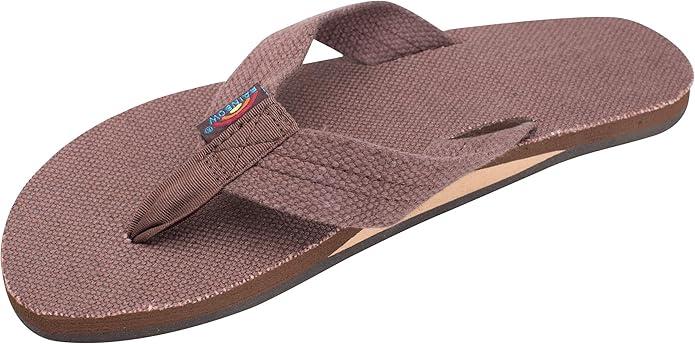
Rainbow Sandals Store. 100% natural hemp fiber and rubber
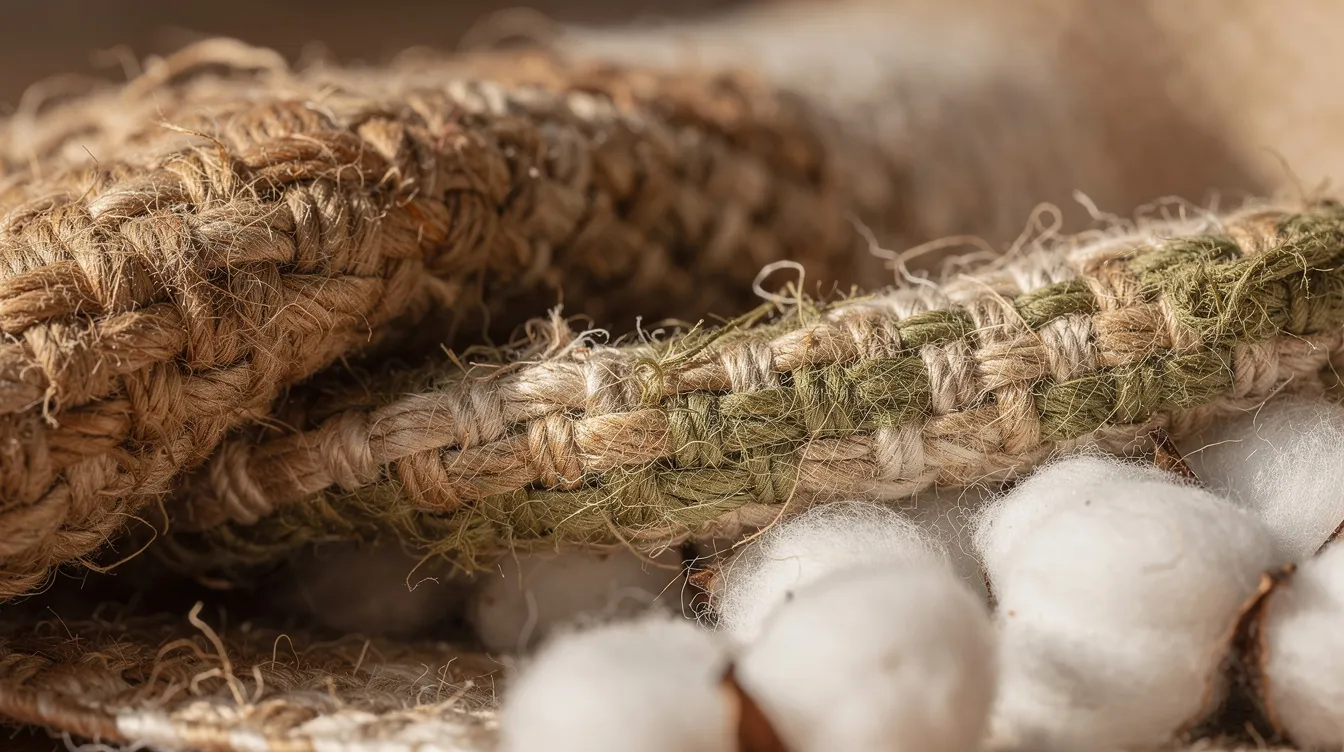
- Organic cotton (GOTS-certified): Used for canvas uppers, linings, and laces. Natural fibers allow for better airflow, reducing sweat and the risk of fungal infections compared to synthetic fibers.
- Hemp and linen: Durable, fast-growing, low water use. Great for reinforcement panels and insoles.
- Natural rubber: Harvested from Hevea tree sap, used for soles without petroleum fillers.
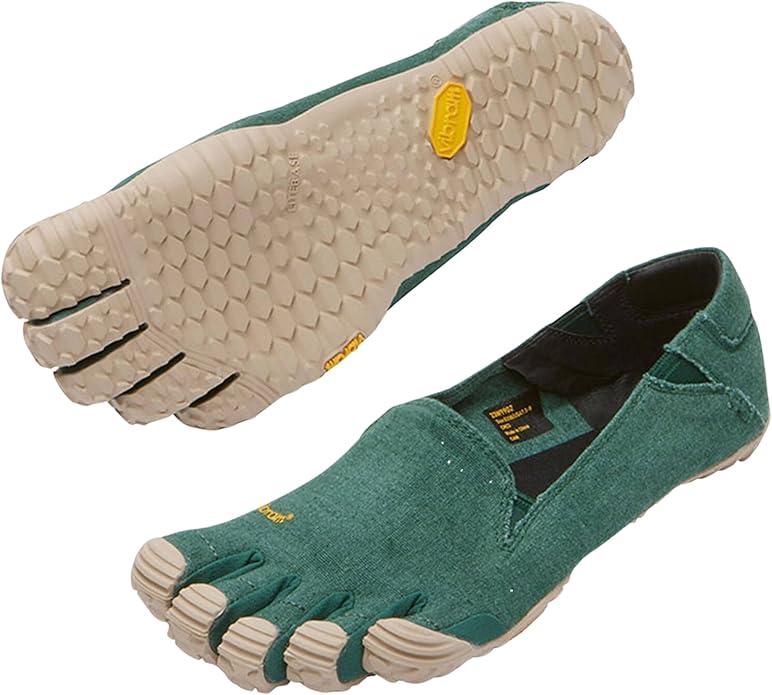
Vibram Store Five Finger Minimalist hemp, wool, leather, cotton and natural rubber, Vibram Mens
- Plant based leather alternatives: Many brands are now focusing on creating shoes that are entirely plastic-free, utilizing sustainable materials such as Bananatex (derived from the abaca banana plant) and Mirum (a plant-based alternative to leather) to reduce plastic use.
- Cork: Renewable, antimicrobial—nice for footbed cushioning.
- Construction details: Cotton stitching threads, metal eyelets, and natural latex glue instead of petrochemical adhesives.
How to Tell If Shoes Are Truly Plastic Free (Not Just “Eco” Marketing)
Terms like “eco friendly,” “vegan,” or “recycled” don’t guarantee plastic free status. Many vegan leather options are actually plastic with PU coatings—a bad sign for anyone seeking sustainability.
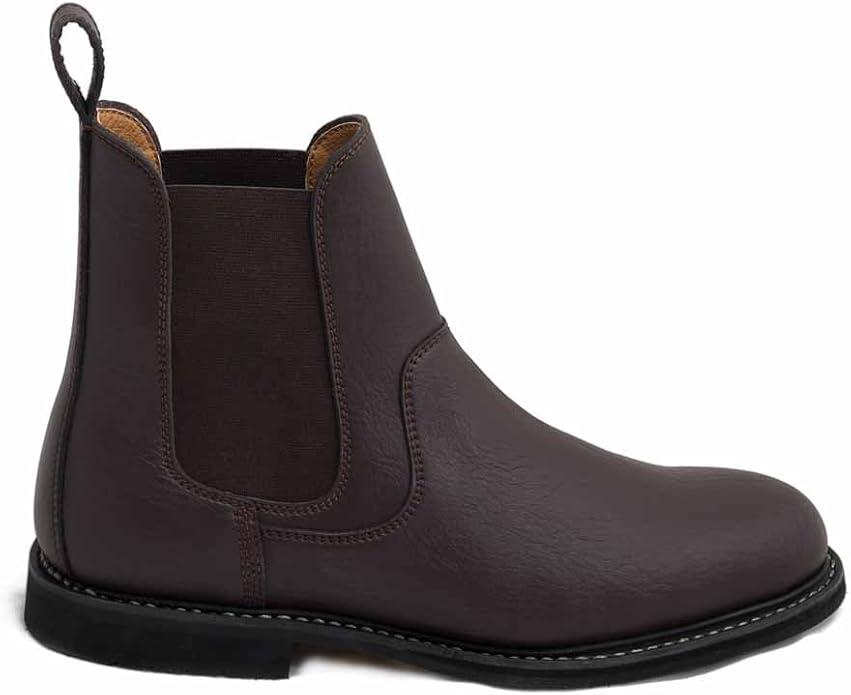
NAE Men's Montana Vegan Chelsea Boots ecological, biodegradable microfiber
Red-flag words to avoid:
- PU, polyurethane, PVC, EVA, TPU
- “Synthetic leather” or “faux leather”
- Polyester, nylon, microfiber, spandex
A typical label reading “Upper: synthetic; Lining: textile; Outsole: rubber” likely hides plastic throughout. Instead, look for specifics: “100% organic cotton canvas upper, natural rubber outsole, organic cotton laces.”
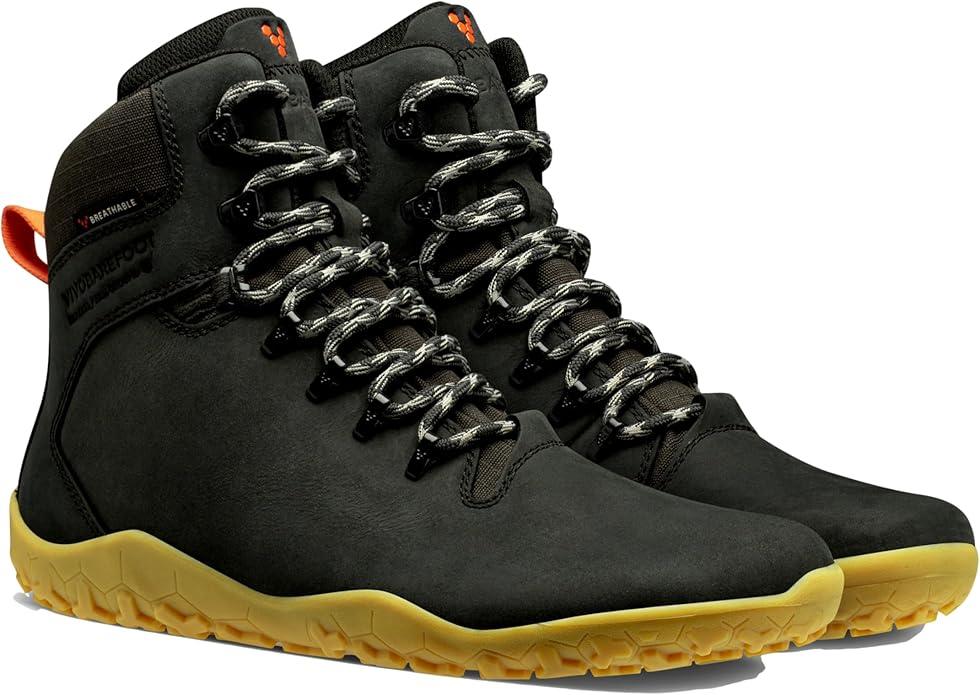
Vivobarefoot Store women's track $ trail leather and wool boots
To identify truly plastic-free shoes, consumers should check for natural material certification and transparency regarding the avoidance of synthetic glues and fibers. When you find a brand you agree with philosophically, email them directly to verify every component.
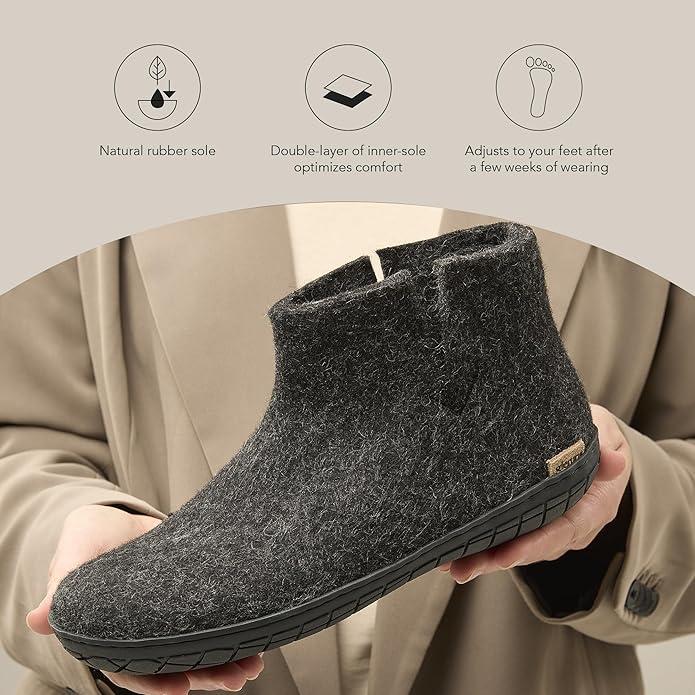
Glerups Store. unisexwool and rubber boots
Comfort and Performance of Plastic Free Shoes
People assume plant based shoes sacrifice comfort. In fact, high-quality natural materials in plastic-free shoes can withstand more wear and tear, making them more cost-effective over time.
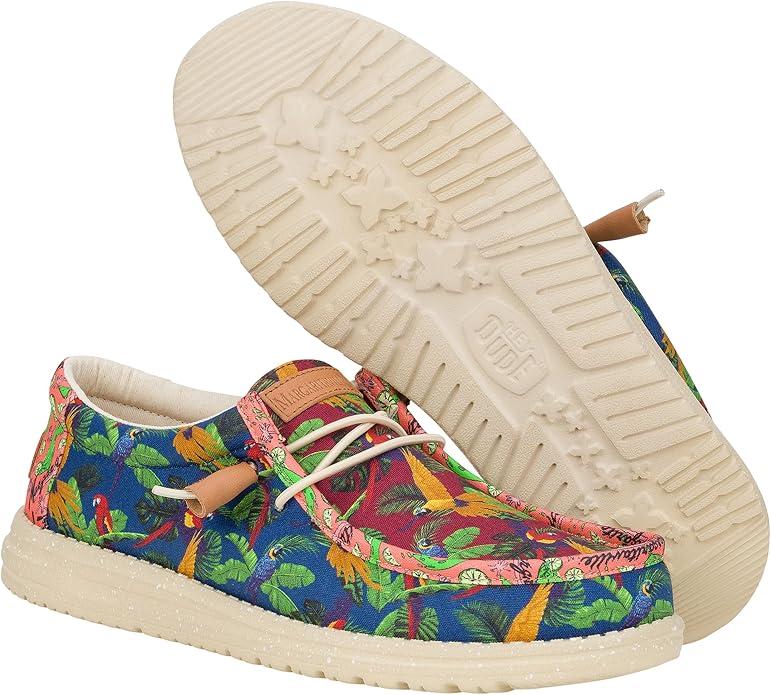
HEYDUDE Mens Wallys all natural materials in fun patterns, for HEYDUDE Womens Go Here
Natural rubber delivers cushioning comparable to EVA foam. Many users report that plastic-free shoes, particularly those made with innovative materials, can offer a comfortable fit and a lot of support and structure, especially for those needing stability. Some plastic-free shoes are designed with cushioned soles and supportive insoles, which enhance comfort for people who walk or stand for long periods.
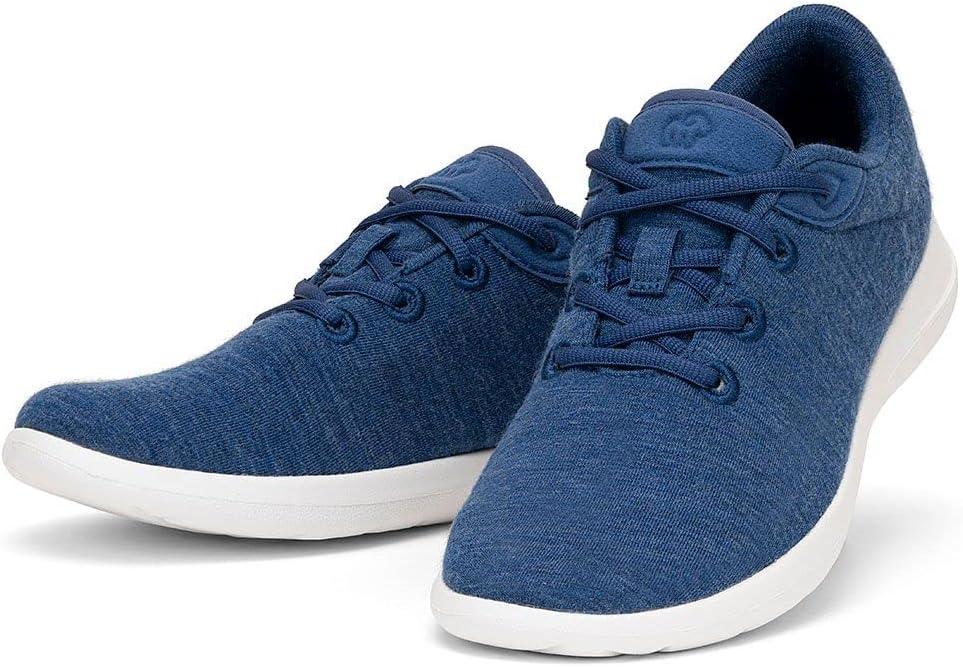
Merinos Store. lightweight natural rubber and merino wool
Natural materials like leather or canvas conform to the foot over time, providing a better fit than rigid plastic shoes. Whether you’re doing city commutes or standing all day at work, breathable uppers regulate temperature and reduce blisters.
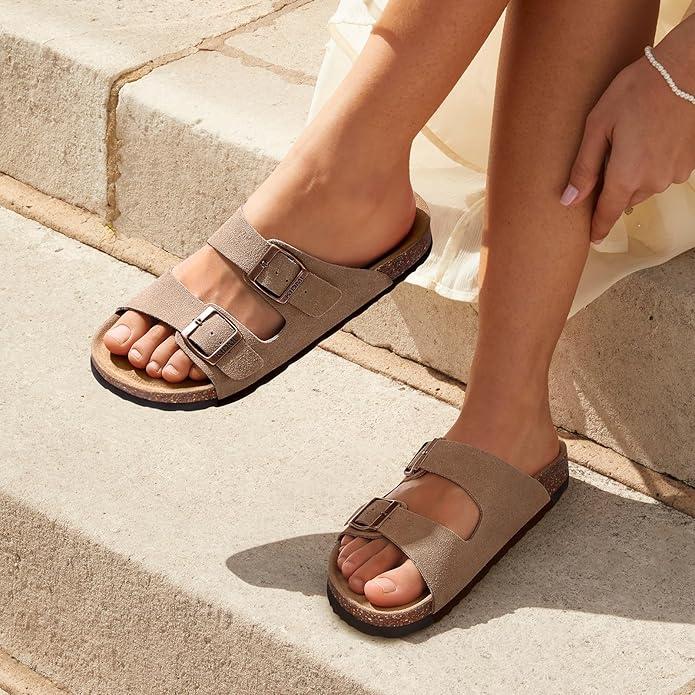
KIDMI Store. genuine leather and natural cork unisex sandals
From Landfill to Soil: End-of-Life and Compostability
Most shoes end up in landfills because mixed plastics are hard to recycle. Many brands are now focusing on biodegradable materials, ensuring products can safely return to the earth after their lifecycle, minimizing landfill waste.
Key design principles:
- Single-material dominance
- Natural adhesives
- Repairability
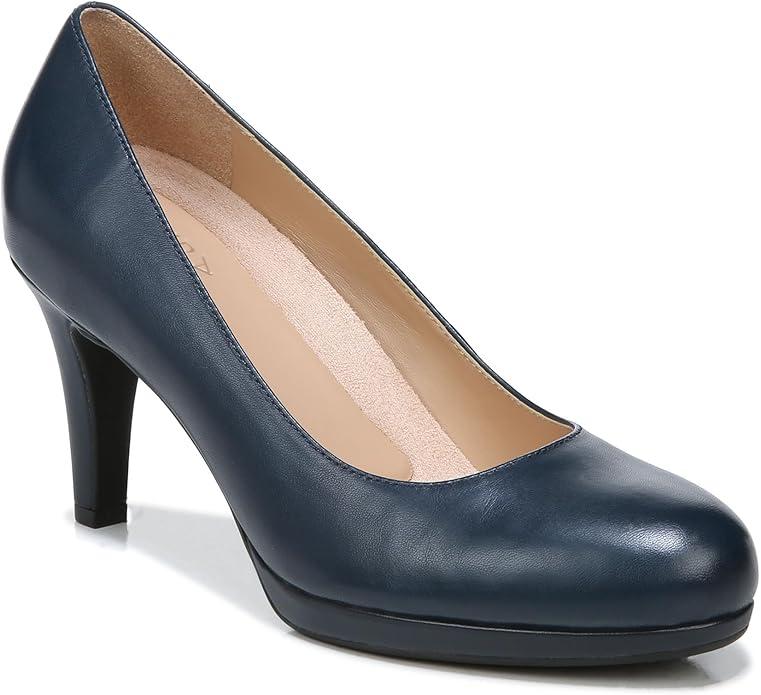
Naturalizer Store. classic leather pumps, the soles however are synthetic :( but their packaging is eco
Plastic-free shoes are generally easier to repair compared to synthetic shoes which are difficult to fix once they break down. With proper production methods, a natural shoe can decompose 90% within six months in industrial composting.
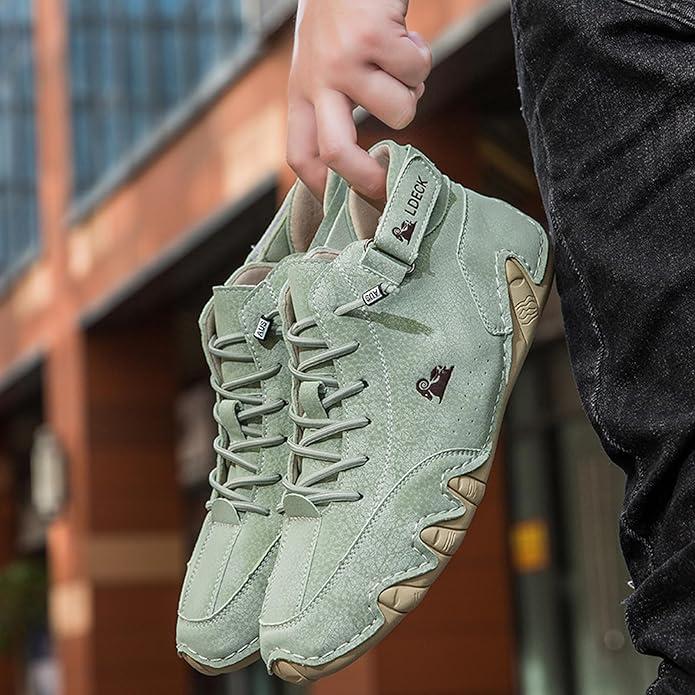
Boxpopla Store leather and rubber
The Story Behind Modern Plastic Free Shoes
In 2017, Sri Lanka’s Meethotamulla dump collapsed—a 20-meter waste mountain killing 32 people. Shoes and clothing formed 40% of that pile. Designers who looked at this devastation knew they had to share a different approach.
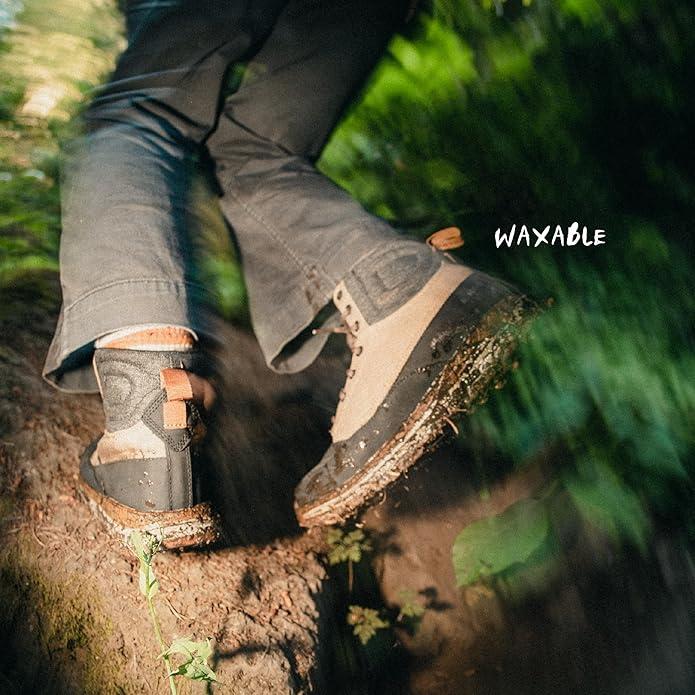
Astral Store Hiking Boots 77% hemp hiking boots (23% synthetic, but we're getting there hikers!)
Compare with Paladium All Canvas Hiking Boots and the unfortunate synthetic liner
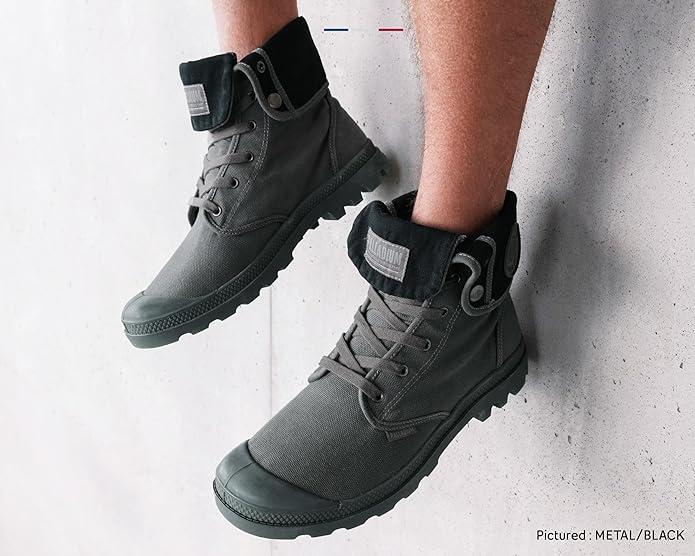
Palladium (use like above for alternate Palladium style boot)
Between 2018–2024, European hubs in Portugal and Spain became centers for ethically made sneakers, collaborating with communities growing organic cotton and harvesting natural rubber.
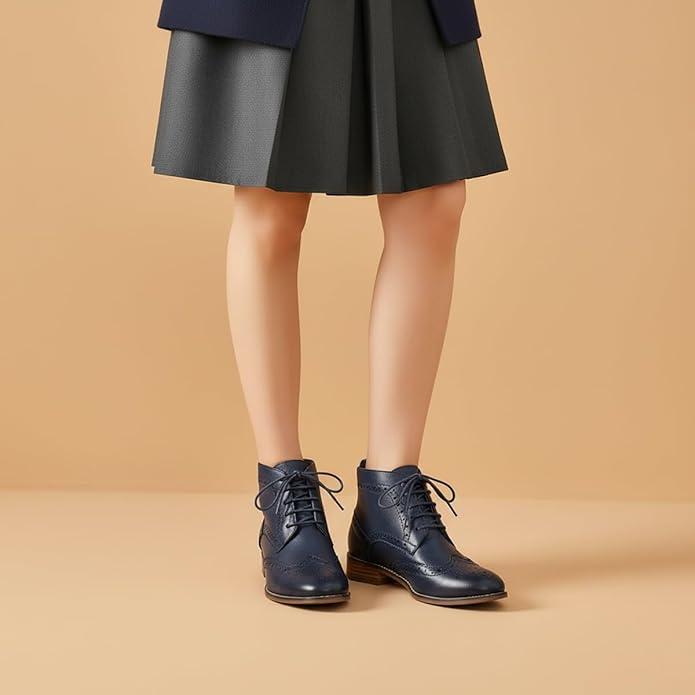
Mona Flying Store. 100% leather lace up oxfords
Prince William and Public Figures: The Rise of Plastic Free Sneakers
Prince William choosing plastic free Abaca trainers—made from Bananatex, Mirum, and natural latex—for the 2024 Earthshot Prize generated over 50 million media impressions. Coverage appeared across Vogue and The Guardian, proving that style, performance, and plastic free design can coexist on the red carpet.
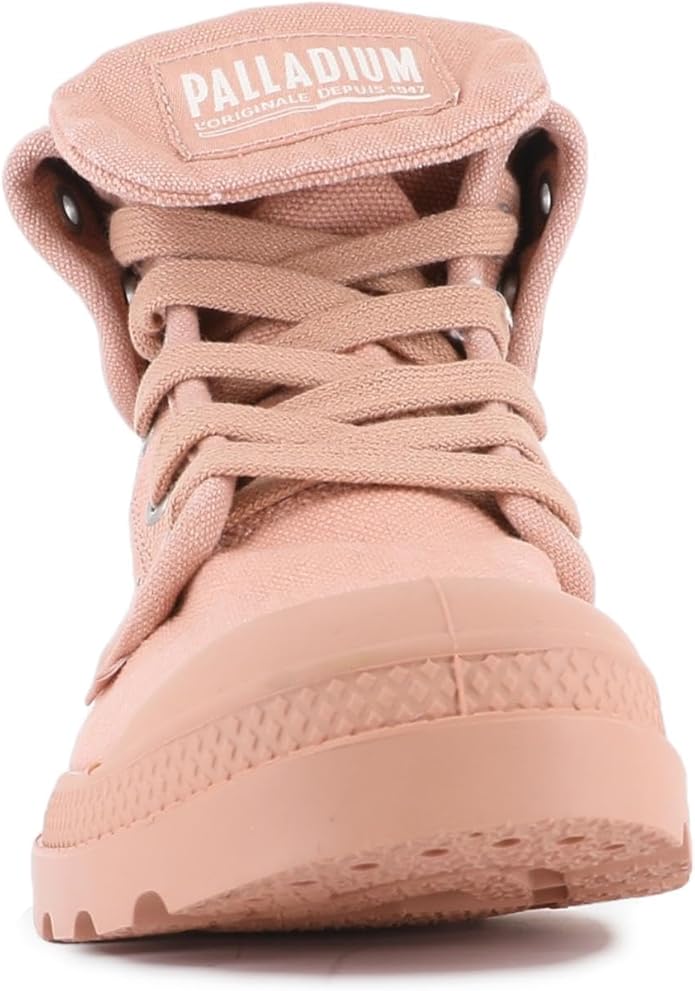
Palladium Women's Canvas Boots
This amazing visibility helped more people question what their black sneakers are actually made from.
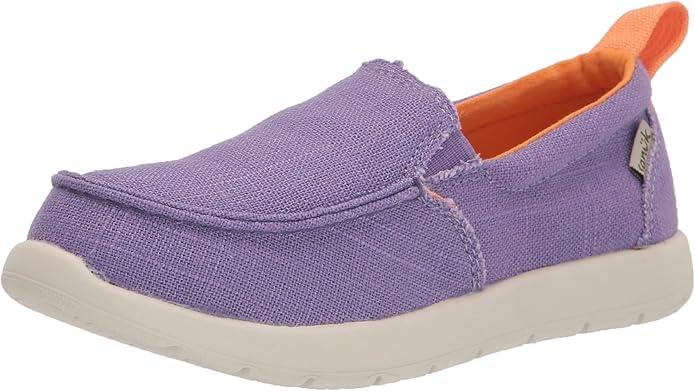
Sanuk Store Sidewalk Surfer. hemp canvas upper, sugarcane sole
How to Choose the Right Plastic Free Shoes for You
The best pair depends on your lifestyle:
- Urban walking: Canvas organic cotton trainers offer breathability
- Hot climates: Cork-footbed sandals with strap options
- Cooler months: Lined hemp boots
Prioritize fit first, then materials, then aesthetics. Unlike other brands using recycled plastic, genuinely plastic free options require no compromise on comfort.
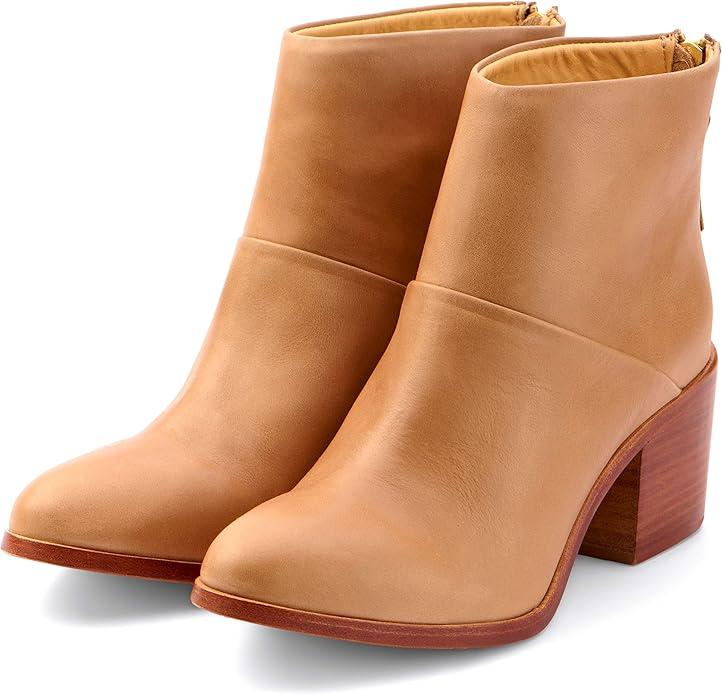
Nisolo Store breathable leather uppers, natural rubber soles
Caring for Natural, Plastic Free Shoes
Natural materials age differently and last years with proper care:
- Machine-wash cotton canvas at 30°C, air dry
- Spot-clean hemp with plant-based soap
- Avoid plastic-based waterproof sprays; use plant waxes instead
- Add natural charcoal inserts for odor control
- Store in ventilated spaces—never sealed plastic bags
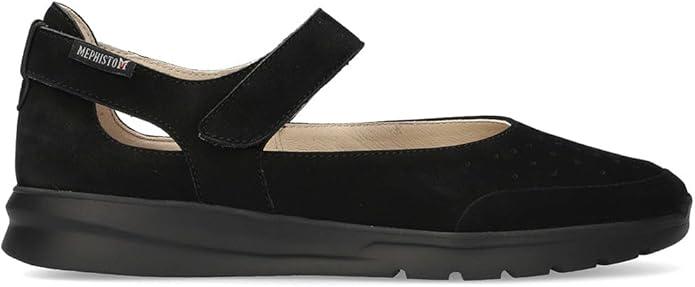
Mephista Brand, leather and rubber, many styles to offer
The Future of Plastic Free, Plant Based Footwear
R&D is accelerating: algae-latex foams, mycelium uppers, and EU Digital Product Passports requiring full material disclosure by 2026. The world is moving toward transparency as standard.
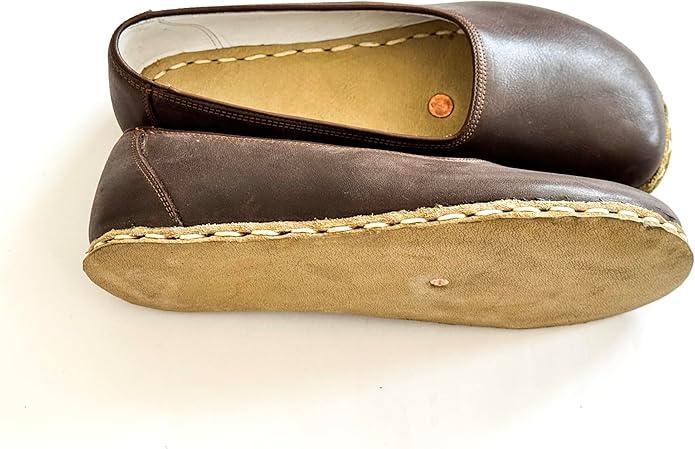
Handmade Store. no synthetic (plastic) materials
Audit your current shoe collection. Learn to read labels. Your next order can support the environment—one step at a time. Love your feet enough to go plastic free.
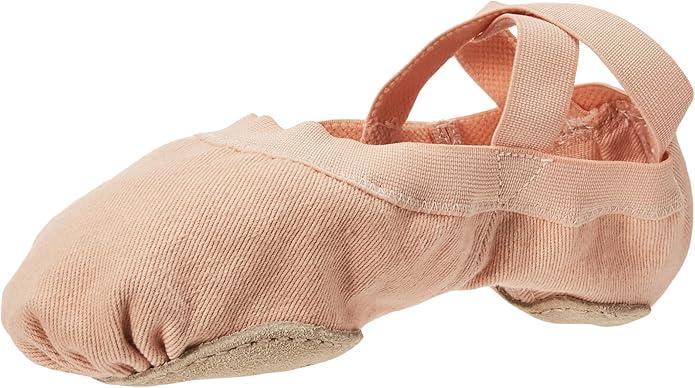
Stelle Store canvas & suede ballet shoes except for the elastic, all natural materials
I searched for water shoes of natural material with no luck, anywhere. Seems like bamboo would be a good, non water logging choice for that. An idea for some future innovator, to come up with eco water shoes?
We'd love to hear your thoughts—leave a comment below sharing your experiences or favorite brands for plastic free shoes.
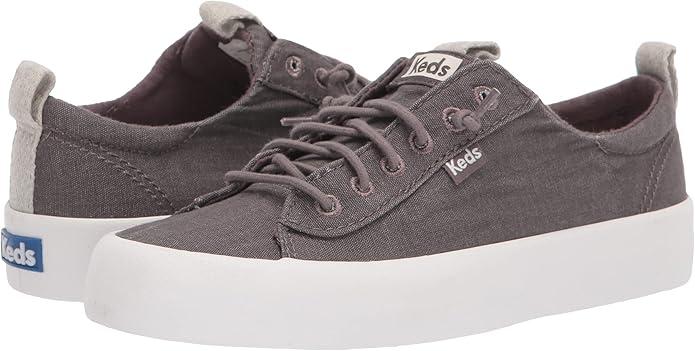
KEDS Store Canvas & Rubber womrns natural kickbacks
This post may include mentions of products that were gifted or sponsored; all opinions expressed are the author's own.
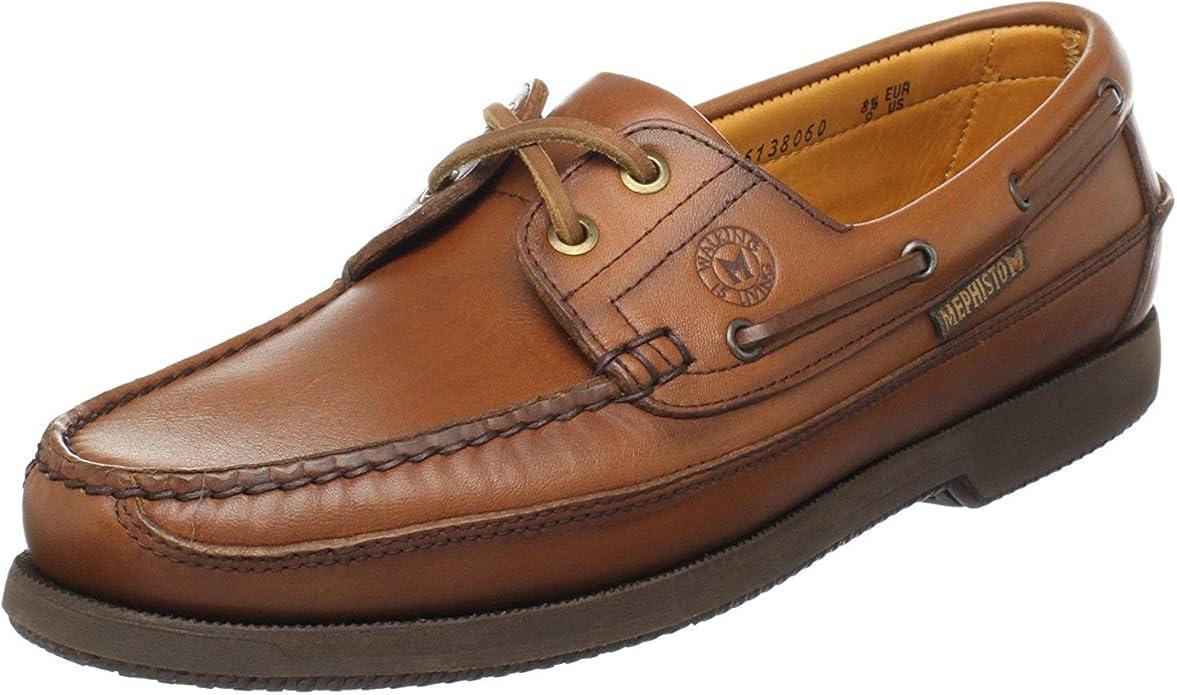
Mephista Hurricane Moccasins** choose from many styles of this natural material brand**
If Not Natural, Support Recycled Material Brands
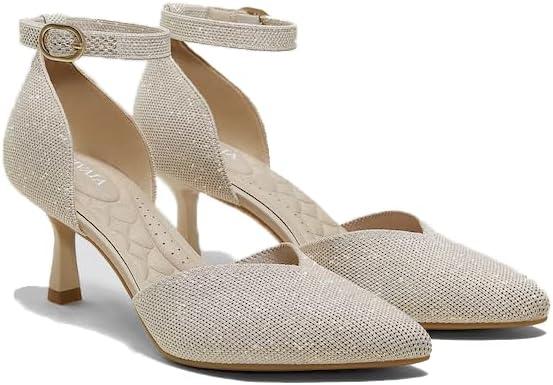
VIVAIA Arabella. natural rubber soles, upper knit made from recycled plastic bottles, which is the ONLY type of plastic that actually gets recycled these days, no lie.
Home no-plastics.com
FAQs
Where can I actually buy truly plastic-free shoes (especially for men, running, or everyday wear)?
This is the #1 complaint—women's options seem more available. Suggestions often include Purified (natural materials, soil-enriching when they biodegrade), FEIT, Unless Collective, Saddleback Leather (e.g., barefoot slip-ons), William Lennon & Co., or handmade/all-leather options via Etsy. Brands like Veja reduce plastics heavily but aren't 100% free. Users note it's easier for casual/minimalist styles than athletic ones.
Are they comfortable, durable, and as good as regular shoes? Will they last?
Many report good everyday comfort and breathability from natural materials, but they may not match plastic shoes for high-impact cushioning or waterproofing. Longevity varies (some leather/natural rubber holds up well with care; others wear faster). Trade-offs include higher cost and potential need for breaking in or maintenance (e.g., conditioning leather).
Do they use any plastic at all? What about glues, threads, or eyelets?
A big sticking point—even "natural" or handmade shoes can have synthetic adhesives (old glues sometimes fail in water). Truly minimal-plastic options often use nailed/stitched construction or natural alternatives. People dig into brand transparency to verify.
How much more expensive are they, and are they worth it?
Yes, often 2–3x the price of mainstream shoes due to materials and small-scale production. Value comes from durability, lower environmental impact (no microplastics), and sometimes biodegradability/compostability.
Do they biodegrade or compost? What's the real environmental benefit?
Some (like certain natural-rubber or plant-based models) do enrich soil when broken down, unlike plastic shoes that persist for hundreds of years and shed microplastics (shoe soles are a major contributor). Questions often tie into broader concerns like recycling myths or greenwashing in "sustainable" lines.
For More Information:
 GreenSmartEco
 Elsa
Elsa
 drh5663
How sugar cane is becoming a popular sustainable material for sneaker: ttps://parisgoodfashion.fr/en/news/sugar-cane-an-alternative-material-for-sneakers-and-clothes-194/