Plastic Free Tarps: Durable Cover Without the Plastic Footprint
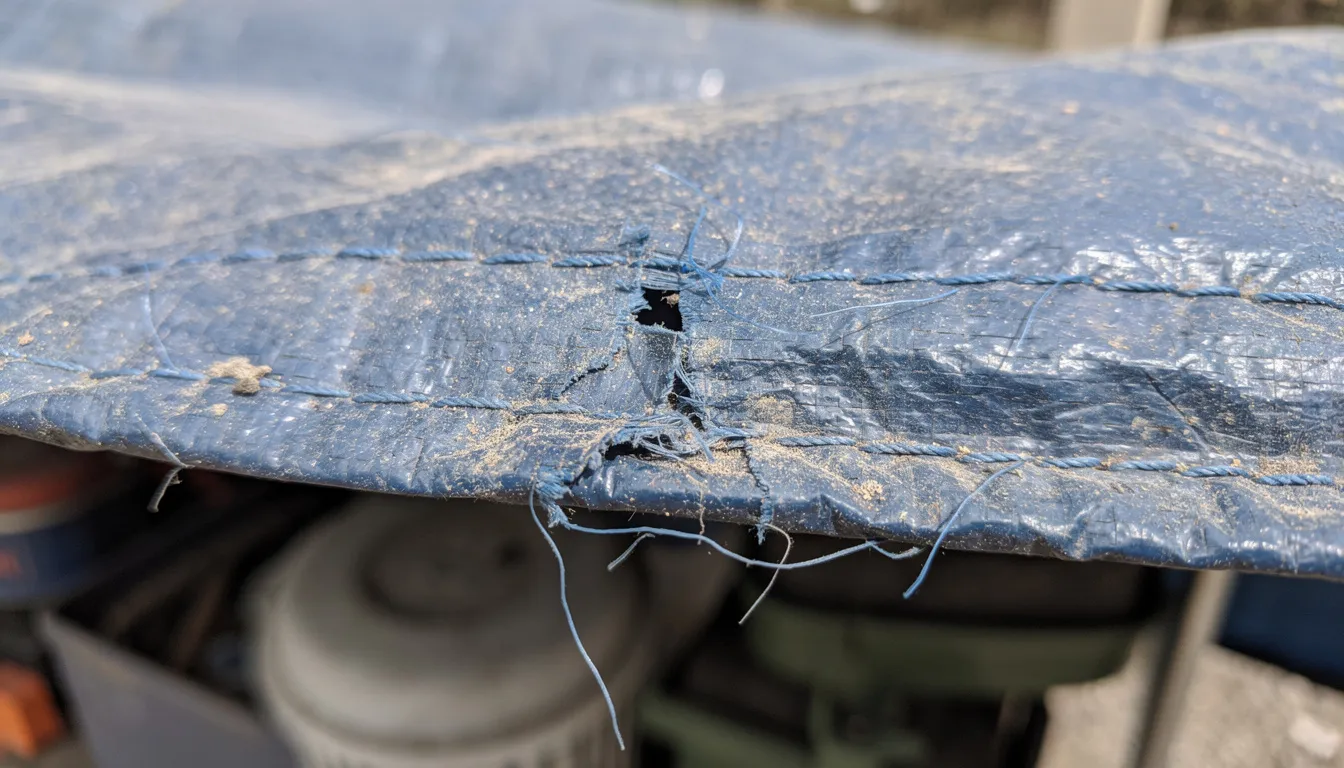
The familiar blue polyethylene tarp has been a fixture on farms, construction sites, and backyards since the 1970s. What most people don’t realize is that these cheap covers shed microplastics from day one—frayed edges, UV-damaged surfaces, and wind-torn corners all contribute invisible particles to your soil, water, and air. These visible issues are a clear sign of poor tarp management or material failure. A standard PE tarp cracks and fails within one to three seasons, yet the material persists in landfills for an estimated 500 to 1,000 years.
Using natural fiber materials could help reduce global plastic emissions, which currently account for 3.4% of greenhouse gases. This makes the switch to plastic free tarps not only a local but a global environmental benefit.
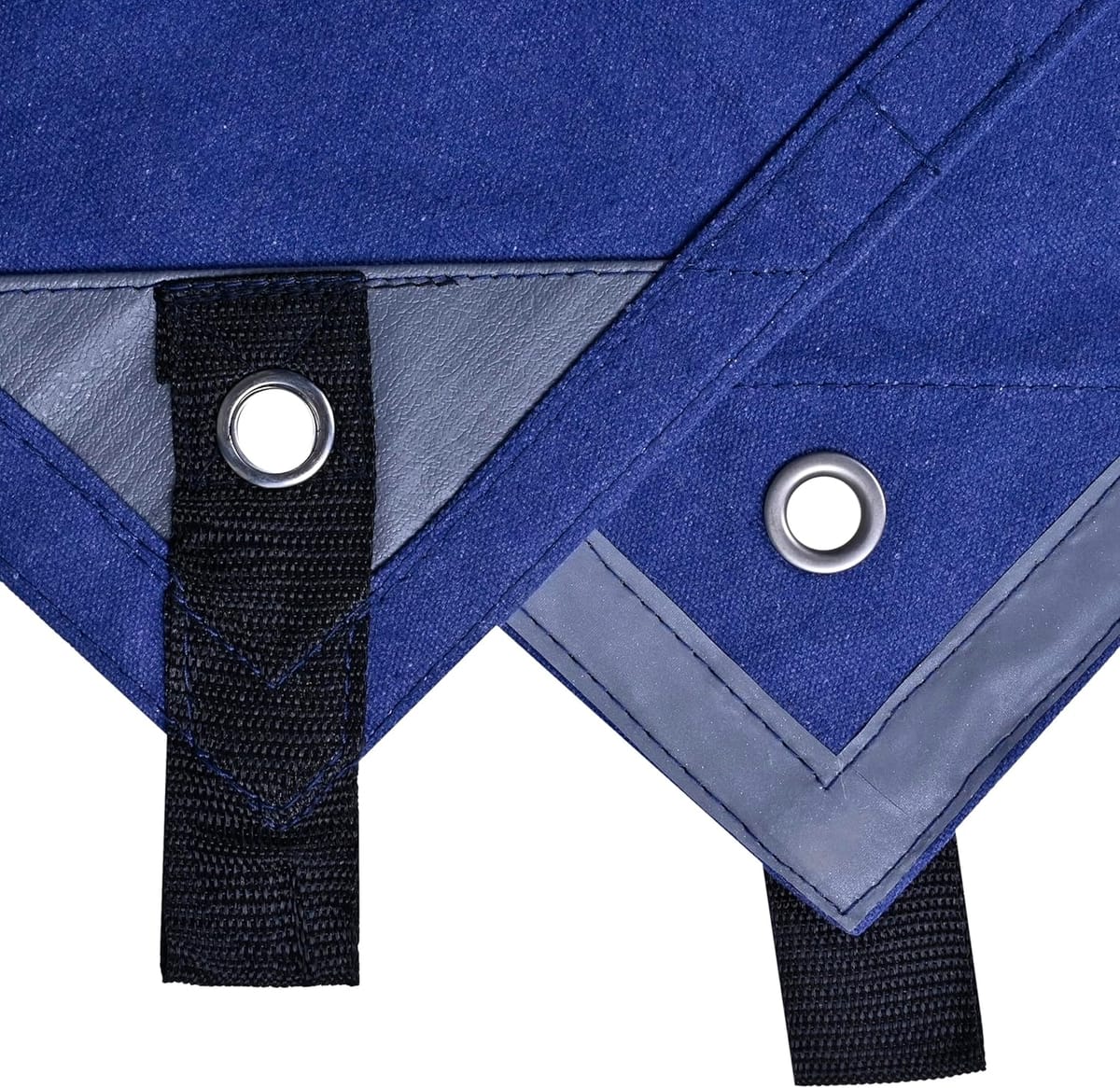
Salt Earth Store. 100% recycled cotton canvas
In 2024-2025, more homesteaders, market gardeners, and outdoor enthusiasts are searching for plastic free tarps that actually perform. Whether you’re covering no-till beds, protecting farm equipment, sheltering livestock, or setting up a campsite, the question is the same: can you get robust, weather-resistant coverage without contributing to microplastic pollution?
This article answers that question directly. You’ll learn what “plastic free” actually means in the tarp industry, compare natural fiber materials head-to-head, and walk away with concrete buying criteria and care practices. The short answer is yes—you can now get durable, low-toxicity coverage without disposable plastic tarps, and the options are more practical than most people expect.
What Does “Plastic Free Tarp” Actually Mean?
A plastic free tarp is a cover made without conventional petro-plastic sheeting like polyethylene (PE), PVC, or polyurethane-coated synthetics. This means the primary fabric is derived from natural fibers rather than fossil fuel polymers. However, gray areas exist—some tarps may include recycled polyester thread in reinforced seams or use metal hardware with plastic-coated components.
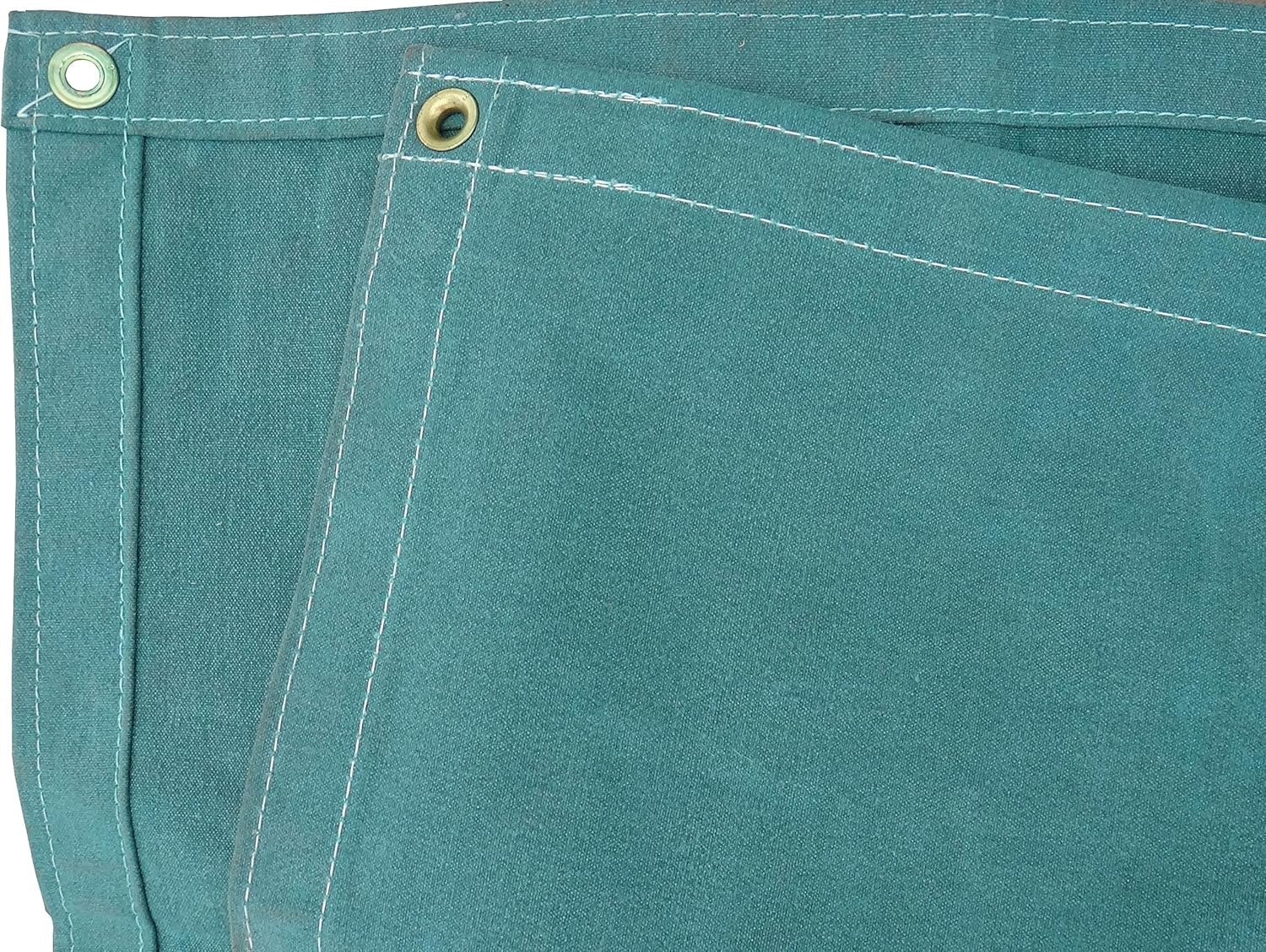
TarpDirect is an example of what NOT to get because though cotton it is coated with waterproofing substance likely to shed microplastics
Here’s how to think about the spectrum of “plastic free” options:
- Fully plastic-free (100% natural): The entire tarp—fabric, stitching, grommets, and edge binding—contains no synthetic polymers. Example: a hemp canvas tarp with brass grommets and cotton thread.
- “Plastic-light” construction: The base fabric is natural (cotton, hemp, jute) but may include minimal synthetic stitching for durability or synthetic edge binding to prevent fraying.
- “Plastic-free contact”: No plastics touch the soil, plants, or animals even if buckles, straps, or tie-down points include some plastic components. This matters most for agricultural and food-contact applications.
Labeling and marketing can be misleading. Terms like “eco-friendly” or “green” tell you nothing about actual materials. A “recycled PE tarp” is still a polyethylene tarp that will shed microplastics. Always look for explicit material composition—something like “100% hemp canvas, brass grommets, beeswax finish”—rather than vague environmental claims.
Why Avoid Conventional Plastic Tarps?
Standard polyethylene and PVC tarps dominate the market because they’re cheap. But low cost comes with significant hidden costs—to your land, your health, and the environment. Here’s what you’re dealing with when you buy traditional tarps:
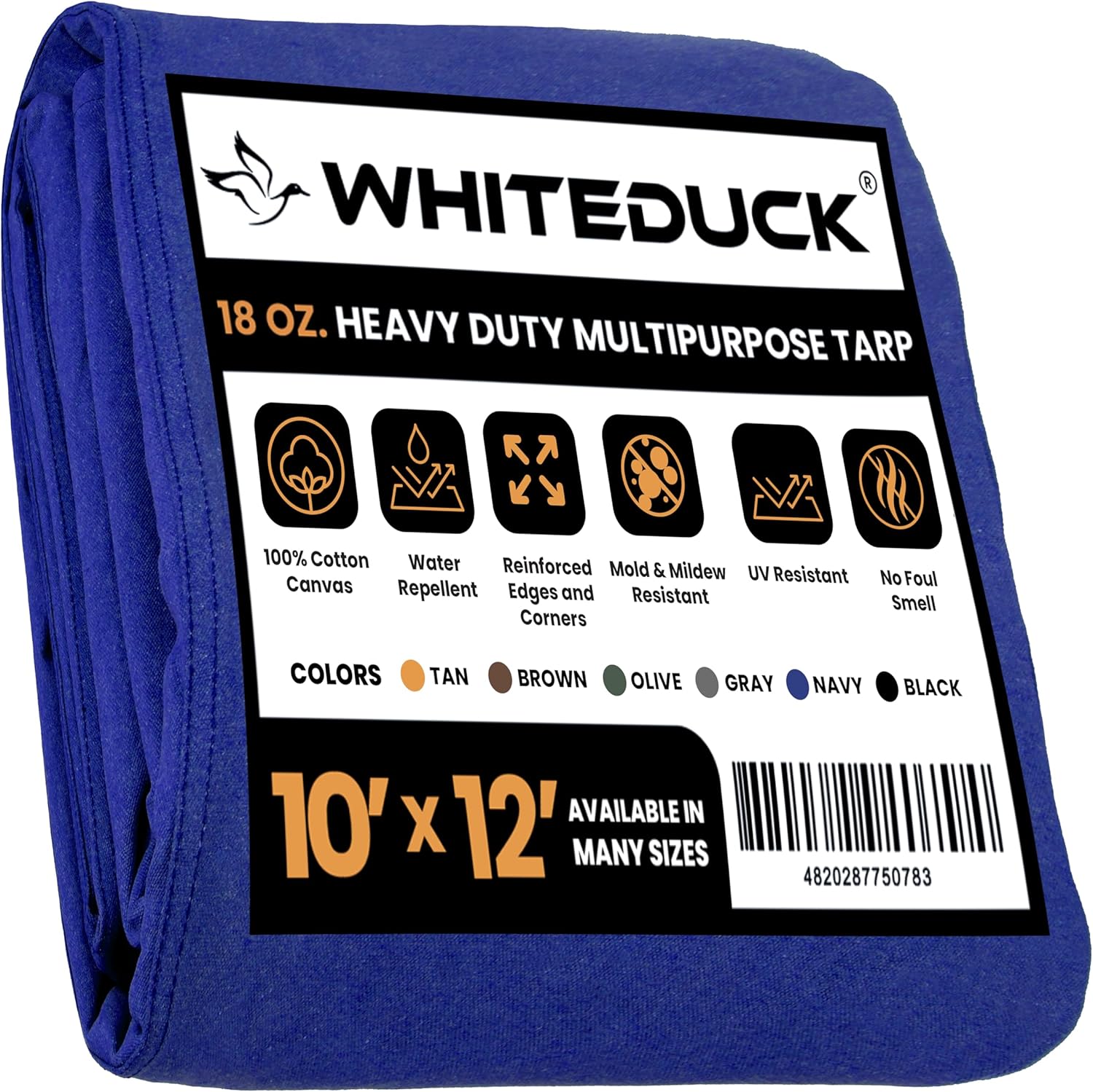
Whiteduck. 100% cotton tarp
- Microplastic shedding: The frayed edges of blue PE tarps produce visible strips and invisible particles that contaminate soil and waterways within a single season. Every time the wind whips a plastic tarp, fibers break free. These particles end up in animal bedding, garden beds, and water runoff.
- Harmful chemicals and additives: PVC tarps contain phthalates, and many plastic tarps include BPA, PFAS, and flame retardants. These chemicals can leach into soil and water over time. PVC sheeting is banned in certified organic agriculture in multiple countries specifically due to contamination risks.
- Landfill persistence: Thin PE and PVC materials take an estimated 500 to 1,000 years to decompose in landfills. During that time, they continue leaching chemical additives into groundwater.
- Soil and farm impacts: Impermeable plastic tarps create anaerobic pockets beneath them, alter soil moisture dynamics, and can negatively affect microbial communities when left in place for months. While this can be useful for weed suppression, it comes with trade-offs for soil health.
- Greenhouse gas footprint: Producing virgin polyethylene tarps is energy-intensive and tied directly to fossil fuel extraction. Emissions occur during manufacturing, and incineration at end-of-life releases additional pollutants.
Even polypropylene (PP) tarps marketed as “improved” alternatives still count as plastics and contribute to microplastic pollution. While PP is generally less toxic than PVC, it’s not a plastic-free solution—it’s simply a less worse plastic solution.
REDIBLUE Store. 100% cotton canvas
The Tarp Industry Shift
The tarp industry is experiencing a major transformation as environmental awareness grows and the drawbacks of traditional tarps become impossible to ignore. For decades, polyethylene tarps and PVC-coated covers were the default for everything from farm fields to construction sites. But mounting evidence of microplastic pollution, chemical leaching, and long-term waste has pushed manufacturers and consumers alike to seek out better solutions.
Today, canvas tarps and other natural fiber options are leading the way in this shift. These durable, weather-resistant tarps offer a low cost per use over their lifespan and are free from the harmful chemicals—like BPA and phthalates—that plague conventional plastic tarps. As more research highlights the dangers of microplastics and pollutants in soil and water, the industry is moving away from polyethylene tarps and exploring alternatives that are safer for both people and the environment.
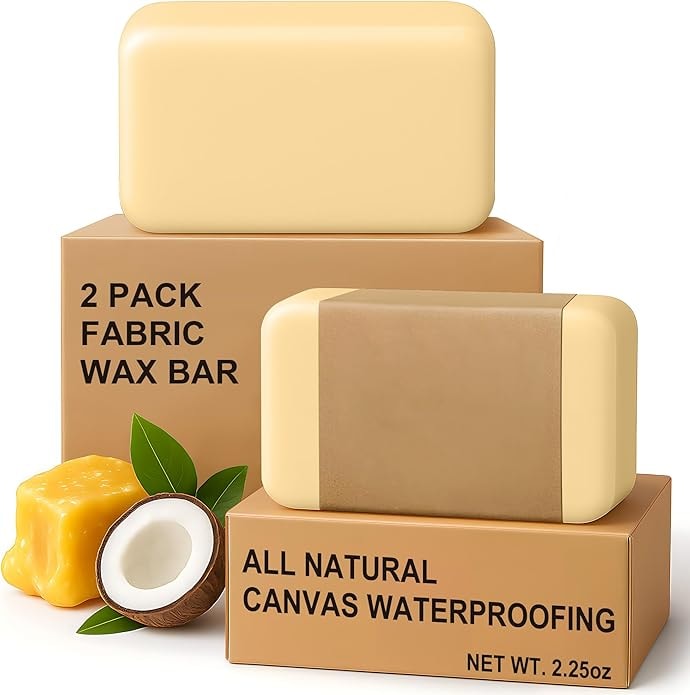
HappyAlley Natural Canvaswax to waterproof any uncoated tarp
One of the driving forces behind this change is the need for sustainable ways to terminate cover crops and manage crop residue. Farmers and gardeners have long relied on tarps to suppress weeds and prepare beds, but traditional tarps can leach chemicals into the soil, undermining soil health and increasing weed pressure over time. In contrast, canvas tarps and other plastic-free options allow growers to cover crops and protect soil without introducing new pollutants or relying on herbicides.
The demand for eco-friendly tarps isn’t limited to agriculture. Construction companies and outdoor enthusiasts are also seeking materials that combine durability and performance with a smaller environmental footprint. Canvas tarps, for example, are prized for their toughness and weather resistance, often lasting for decades with proper care. Unlike disposable plastic tarps, they can be repaired, reused, and eventually composted, reducing waste and saving money in the long run.
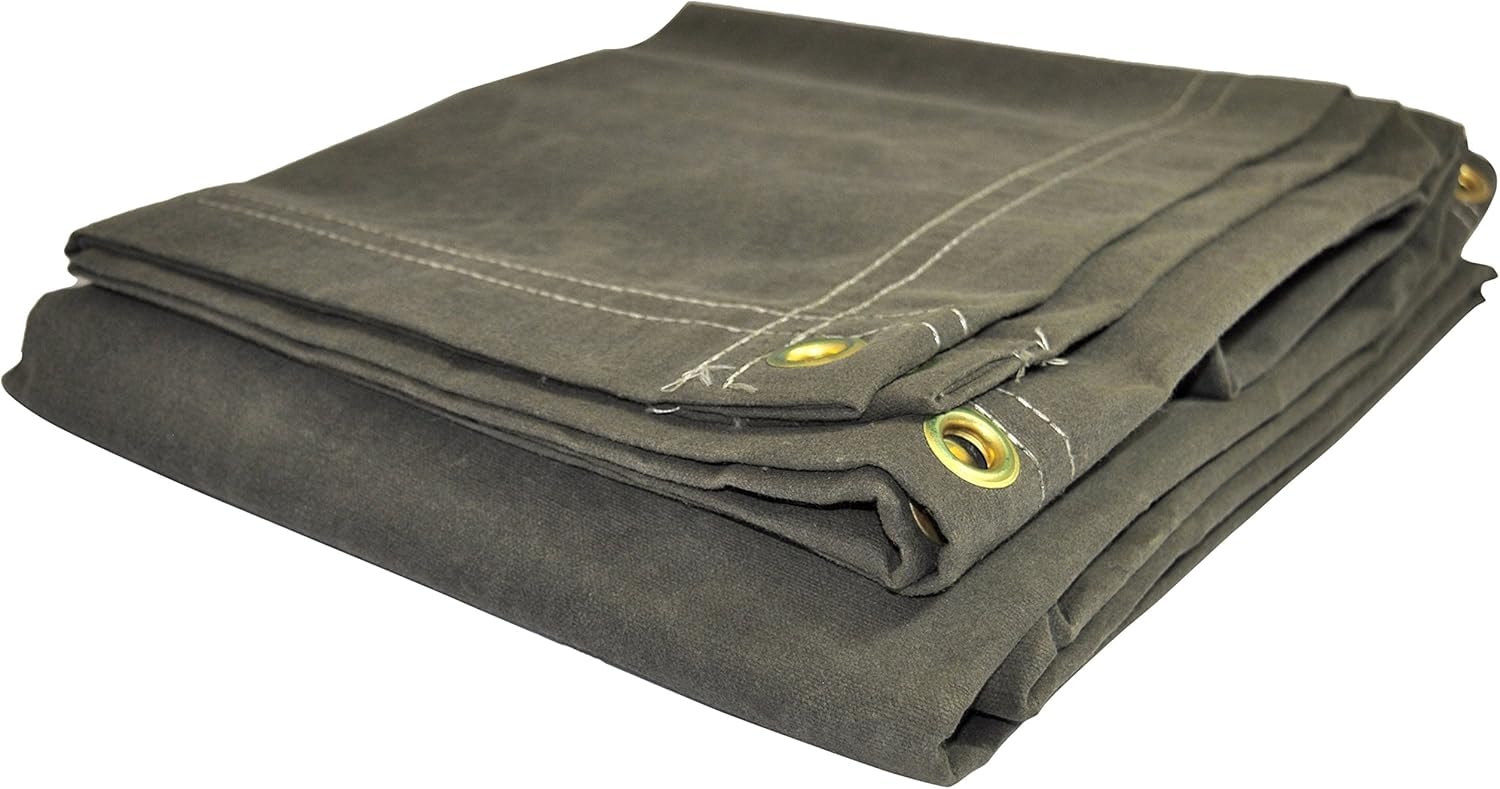
Dry Top Brand. !00% cotton canvas ducks, naturally oiled and waxed
Manufacturers are responding by developing tarps made from recycled or biodegradable materials, and by phasing out products that rely on PVC or polyethylene. Polypropylene tarps are sometimes marketed as a more environmentally friendly alternative, but the real leap forward comes from embracing natural fibers like cotton and hemp, which are both biodegradable and free from harmful additives.
If you’re looking to make the switch, expert tips include checking for tarps that are clearly labeled as BPA- and PVC-free, and prioritizing those made from canvas or other natural fibers. Look for products that disclose their full material composition and avoid vague claims about being “eco-friendly” without specifics. Consider the tarp’s expected durability, weather resistance, and repairability—these factors all contribute to a lower overall cost and a smaller environmental impact.
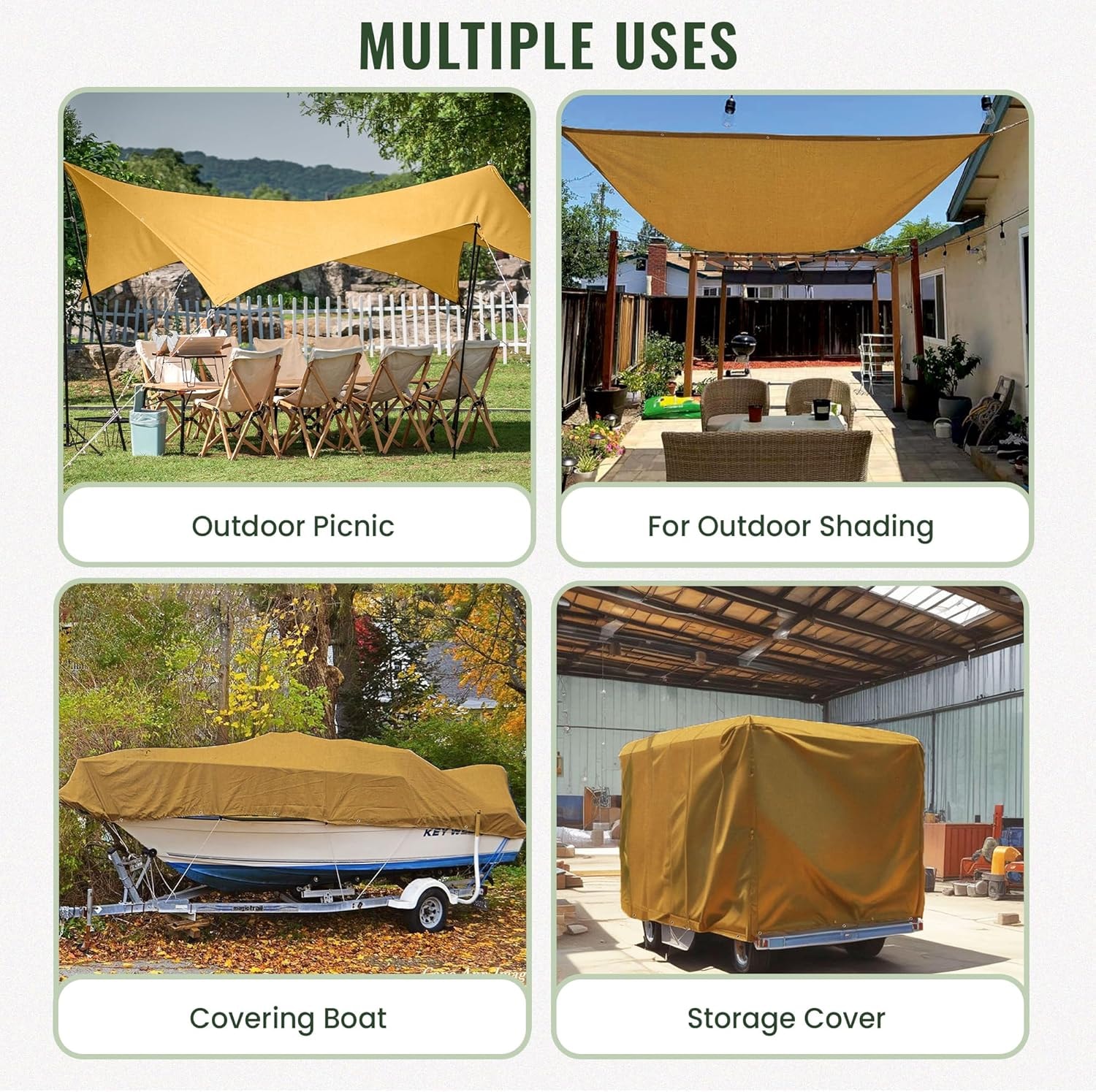
REDBLUE Store. cotton canvas with natural wax waterproofing
Ultimately, the shift in the tarp industry is about more than just materials—it’s about rethinking our relationship with the products we use to cover, protect, and manage our land. By choosing canvas tarps and other sustainable options, you’re not only reducing microplastic pollution and chemical exposure, but also supporting a healthier, more resilient ecosystem for years to come. Whether you’re managing crops, building a project, or heading outdoors, making the switch to plastic-free tarps is an essential step toward a cleaner, greener future.
Natural Fiber Options for Plastic Free Tarps
Before widespread plastics, people relied on canvas, hemp, jute, and wool covers for centuries. These materials remain viable today, especially when properly maintained. The key is understanding which fiber works for which application.
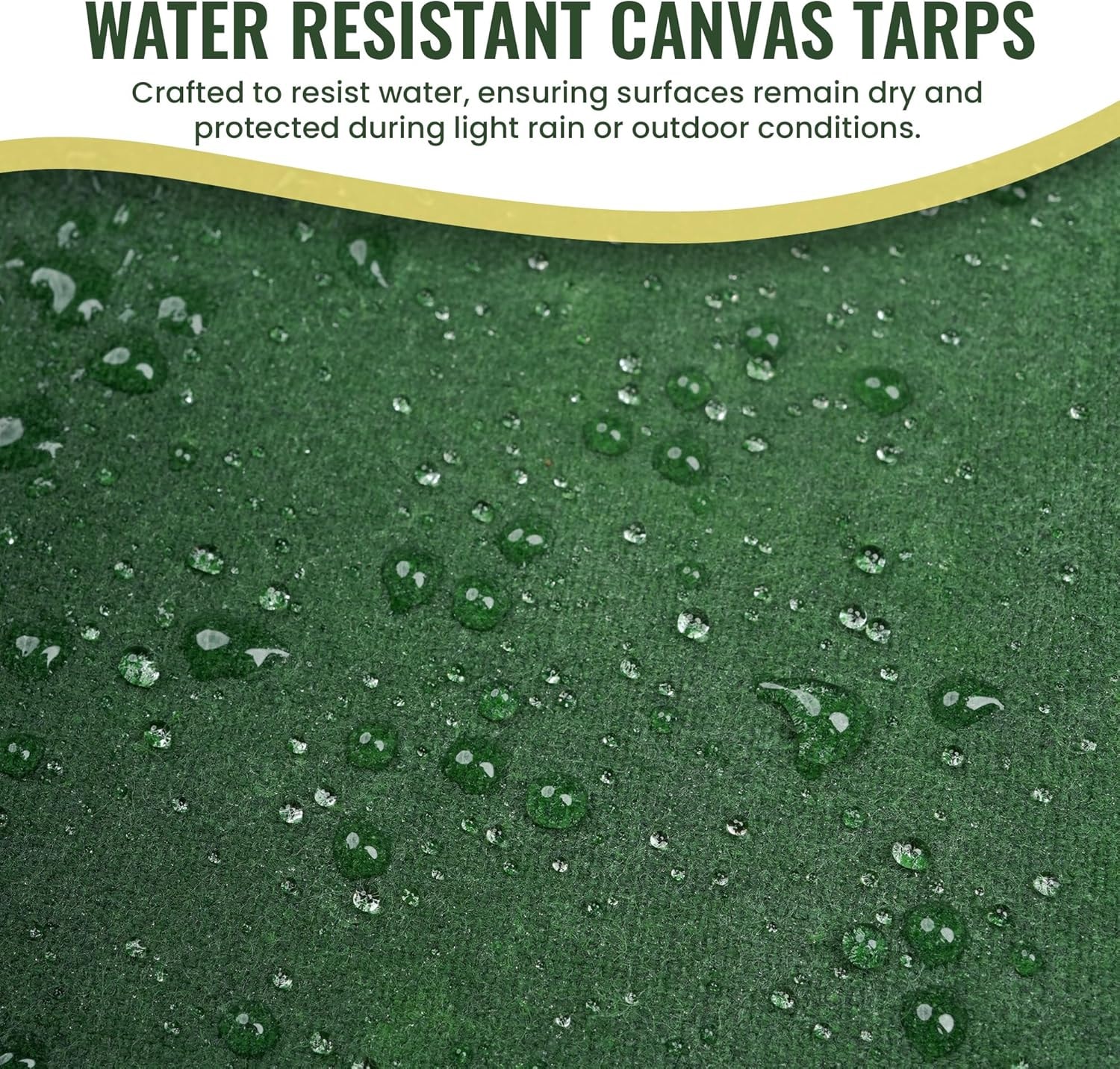
REDBLUE Store. naturally water resistant tarp
Here’s how the three main plastic-free tarp fabrics compare:
- Hemp canvas: Offers exceptional tensile strength (three to five times stronger than cotton of similar weight), excellent UV resistance, and natural mildew resistance. More expensive up front but can last two to three times longer than basic cotton in continuous outdoor use.
- Cotton canvas: Widely available, breathable, and fully biodegradable. Requires waxing or oil-based treatments for waterproofing. Choose treatments carefully—some commercial waxes contain petrochemicals that defeat the purpose of going plastic-free.
- Jute and burlap: Best suited for erosion control, slope stabilization, and short-term agricultural coverage. Less durable than hemp or cotton and not appropriate for long-term waterproof tarps, but fully biodegradable within one to three seasons.
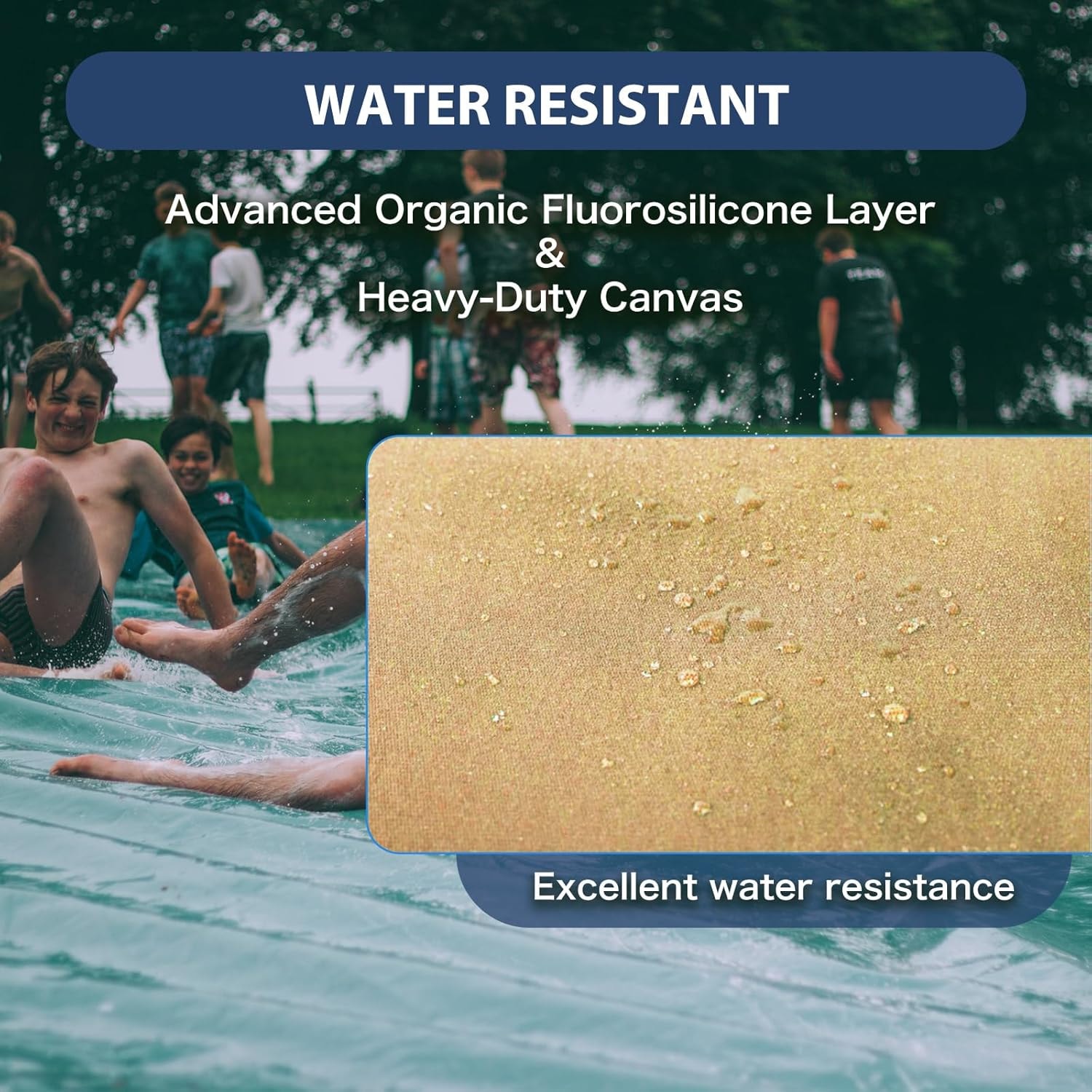
Ezcasch Store advanced organic fluorosilicone waterproofing over cotton canvas
Here’s how these natural fibers behave in outdoor conditions:
- Breathability: Natural fibers allow air exchange, reducing condensation on stored equipment compared to impermeable plastic tarps. This is essential for covering machinery, firewood, and anything prone to rust or mold.
- Biodegradation: When untreated or finished with plant-based products, natural fiber tarps break down into organic matter rather than microplastics. At end of life, they can often be composted.
- Weight and handling: Natural fiber tarps are heavier than thin plastic alternatives. This weight makes them more stable in wind and less likely to shred, tear, or blow away—a practical advantage that offsets the handling difference.
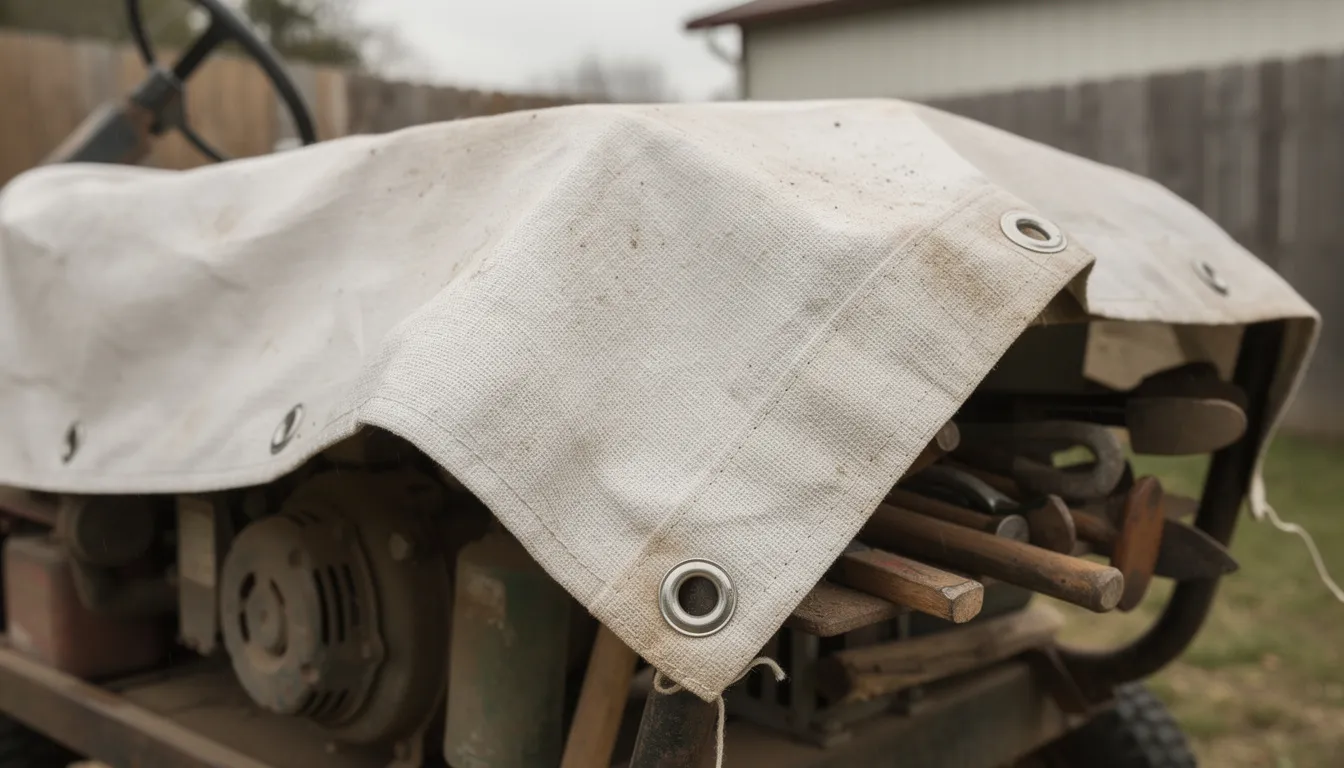
Hemp Canvas: The Workhorse Plastic Free Tarp
Hemp’s resurgence since the 2018 U.S. Farm Bill has brought renewed attention to this high-durability, low-input crop. For tarp applications, hemp canvas represents the closest thing to a direct replacement for tough polyethylene tarps—without the plastic.
You can find Sturdy and Affordable Hemp by the yard at the Hemp Go Green Store
Here’s what Hemp Stands Out
- Tensile strength: Hemp fibers are three to five times stronger than cotton of similar weight. This translates to resistance against tearing and abrasion when covering roofs, trailers, firewood stacks, and wood piles.
- UV resistance: Hemp naturally resists ultraviolet degradation, maintaining structural integrity through continuous outdoor exposure. A hemp tarp covering farm equipment from May through October each year won’t degrade the way a cotton tarp would under the same sunlight exposure.
- Environmental footprint: Hemp requires minimal pesticides, uses less water than cotton, and can improve soil structure during growth. Growing hemp actually sequesters carbon—the opposite of extracting petroleum for plastic production.
- Finishes and waterproofing: Plant-based waxes (beeswax, linseed oil blends) add weather resistance while keeping the tarp truly plastic-free. Avoid silicone-based or PFAS-containing finishes, which defeat the purpose.
- Trade-offs: Higher up-front cost and heavier weight than synthetic tarps. However, longer service life (expect two to three times the lifespan of cotton) and repairability with simple stitching make hemp economical over time.
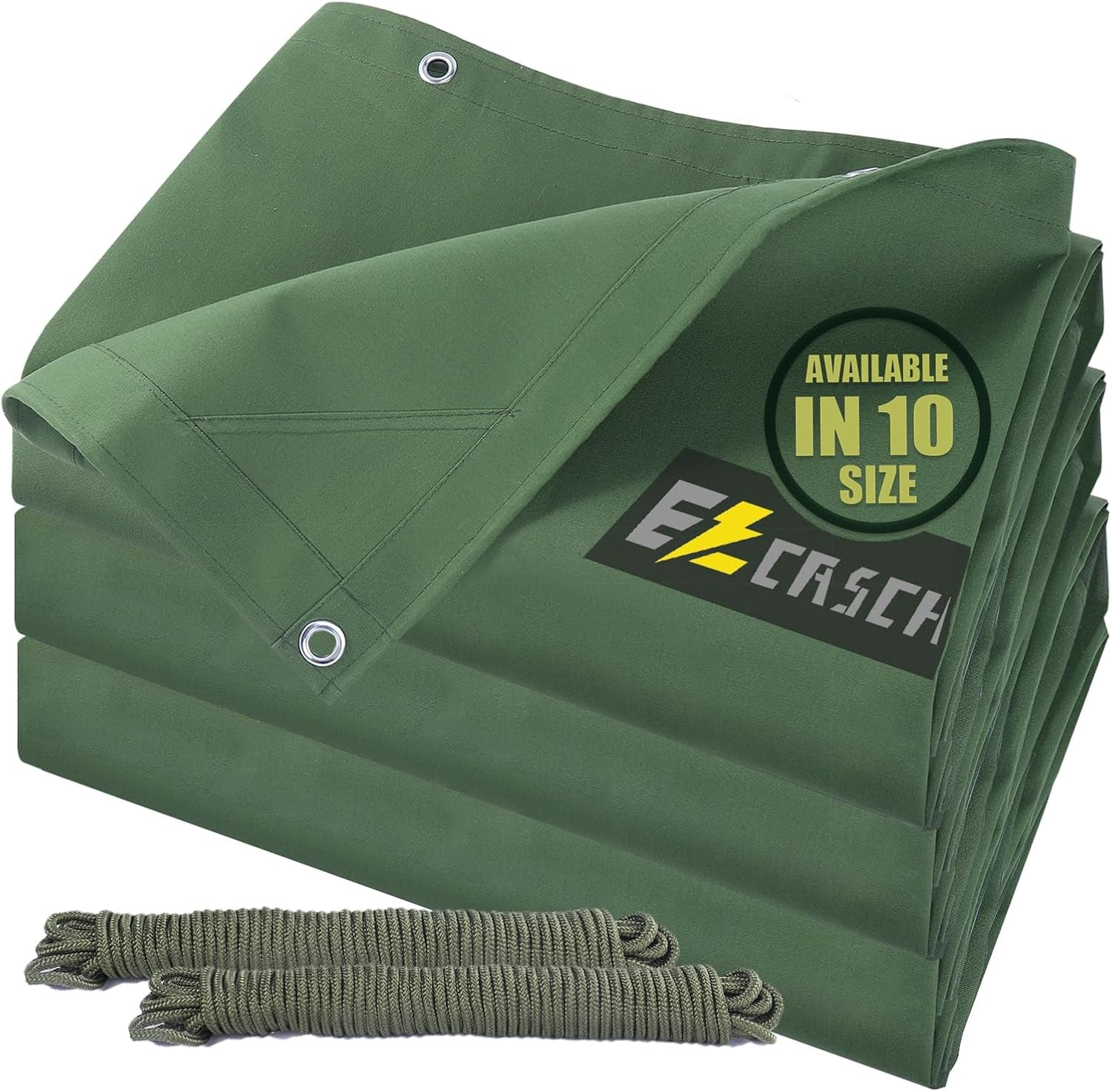
Ezcasch Store with advanced organic fluorosilicone waterproofing over cotton canvas
A small market garden using hemp canvas tarps for tool and produce crate coverage can realistically expect five or more seasons of service from a single tarp—compared to replacing cheap PE tarps every year or two.
FoundGo Store. silicone treated cotton canvas tarp
Cotton Canvas and Waxed Canvas Tarps
Cotton canvas tarps have served builders, boaters, and campers for over a century. They remain a practical plastic-free option, especially when treated with natural waxes for water resistance.
- Plain cotton canvas: Breathable and well-suited for shade structures, windbreaks, and temporary covers. Cotton absorbs water and can develop mildew if stored damp, so proper drying before storage is essential.
- Waxed canvas: Adding natural waxes (beeswax blends, linseed-based formulas) dramatically increases water resistance and longevity. Waxed canvas approaches the functionality of an “all-weather” tarp while remaining fully plastic-free.
- Environmental considerations: Cotton requires more water and inputs than hemp during cultivation, but remains fully biodegradable when untreated or finished with natural products. It’s still a significant improvement over petroleum-based materials.
- Health and safety: Some commercial waxed canvases use petroleum-based or fluorinated compounds for waterproofing. Look specifically for plant- or beeswax-based formulas with clear ingredient lists to avoid introducing the same chemicals you’re trying to escape.
- Ideal use cases: Homestead chicken runs, garden structures, and vehicle covers where non-toxic runoff matters. Replacing a flaking blue plastic tarp over a chicken coop with waxed cotton canvas eliminates micro-litter in the run and removes potential chemical exposure for your birds.
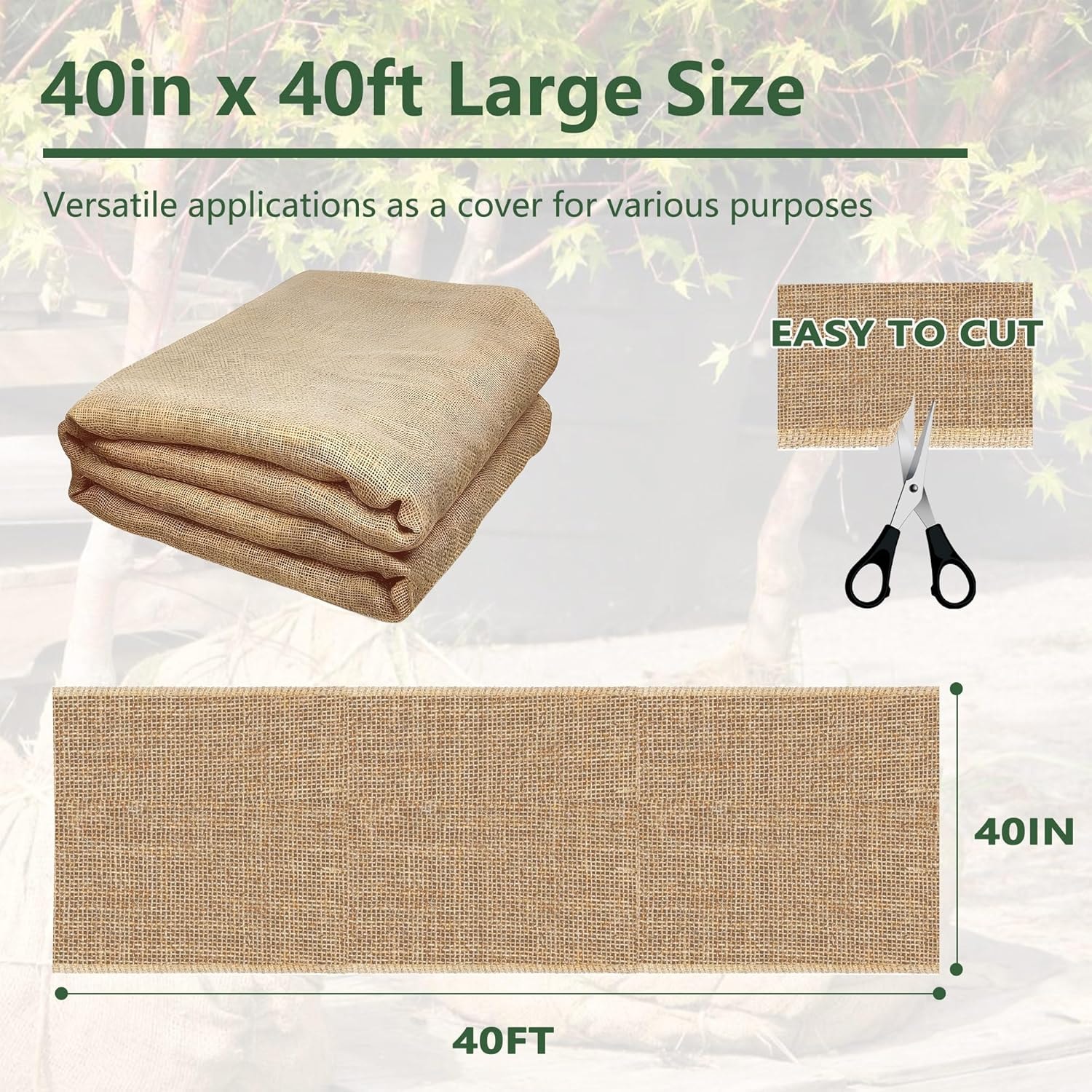
Koretech Brand. high density jute fiber
Jute, Burlap, and Wool-Based Covers
These materials serve more specialized, short- to medium-term coverage needs rather than functioning as direct tarp substitutes. They excel in applications where biodegradation is a feature, not a bug.
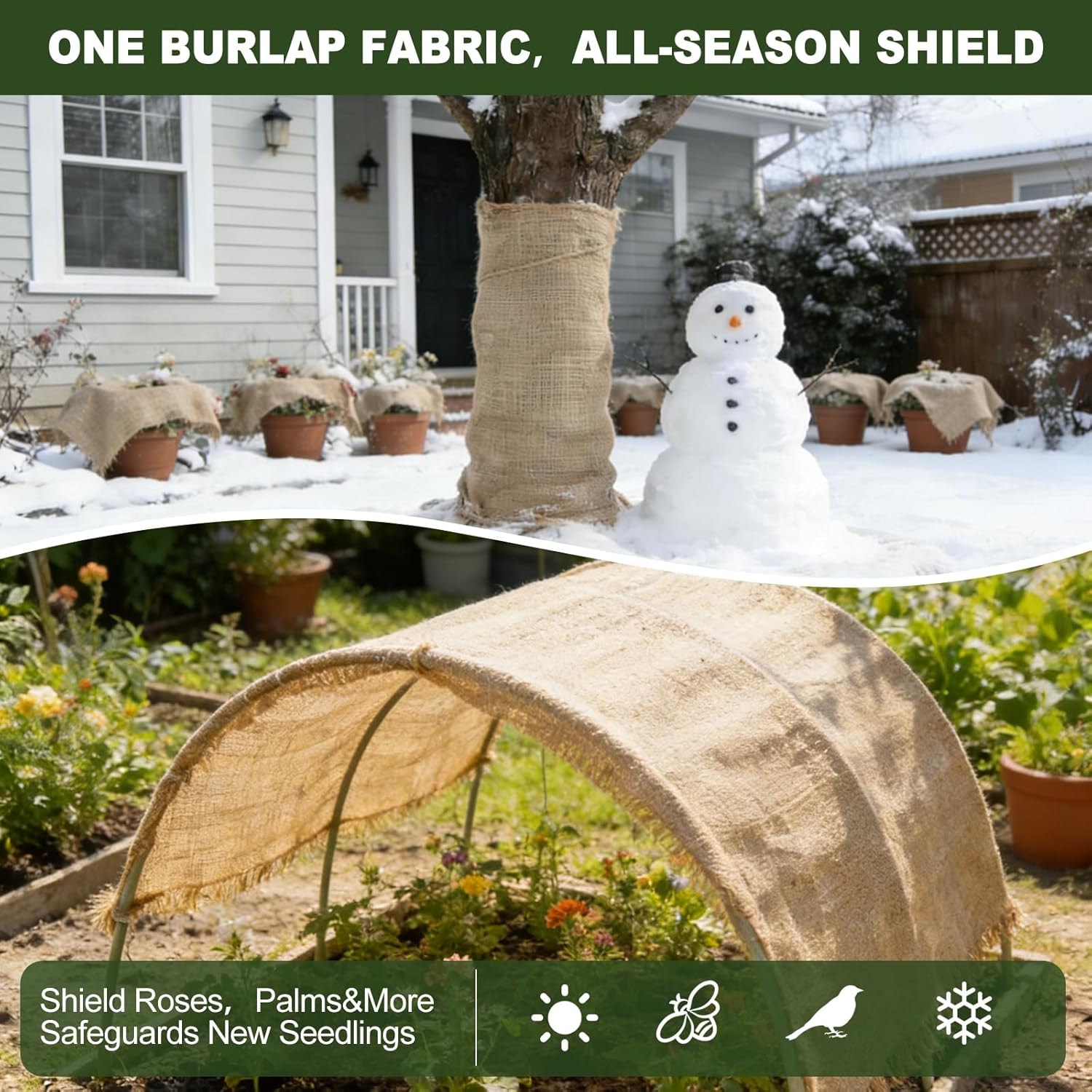
- Jute and burlap: Ideal for erosion control blankets on newly seeded slopes, tree and shrub protection, and shading seedlings. Fully biodegradable within one to three seasons depending on climate, making them useful where you want the cover to decompose in place.
- Wool and felted fleece: Regional wool (including otherwise low-value coarse fleece) can serve as windbreaks, frost blankets, or shade covers. Consider whether your application involves direct animal contact—chickens, for example, may peck at and ingest wool fibers.
- Agricultural benefits: Jute and wool break down into organic matter, providing cover while slowly feeding soil microbes. This makes them farmers friend materials for temporary applications where the cover eventually becomes soil amendment.
- Limitations: Limited waterproofing capability, shorter lifespan under constant sun and rain, and lower tear resistance compared to hemp or heavy cotton canvas. These are situational materials, not general-purpose tarp replacements.
Concrete applications include hillside stabilization with jute netting, under-tree coverings in orchards, and temporary shade for transplant beds during establishment.
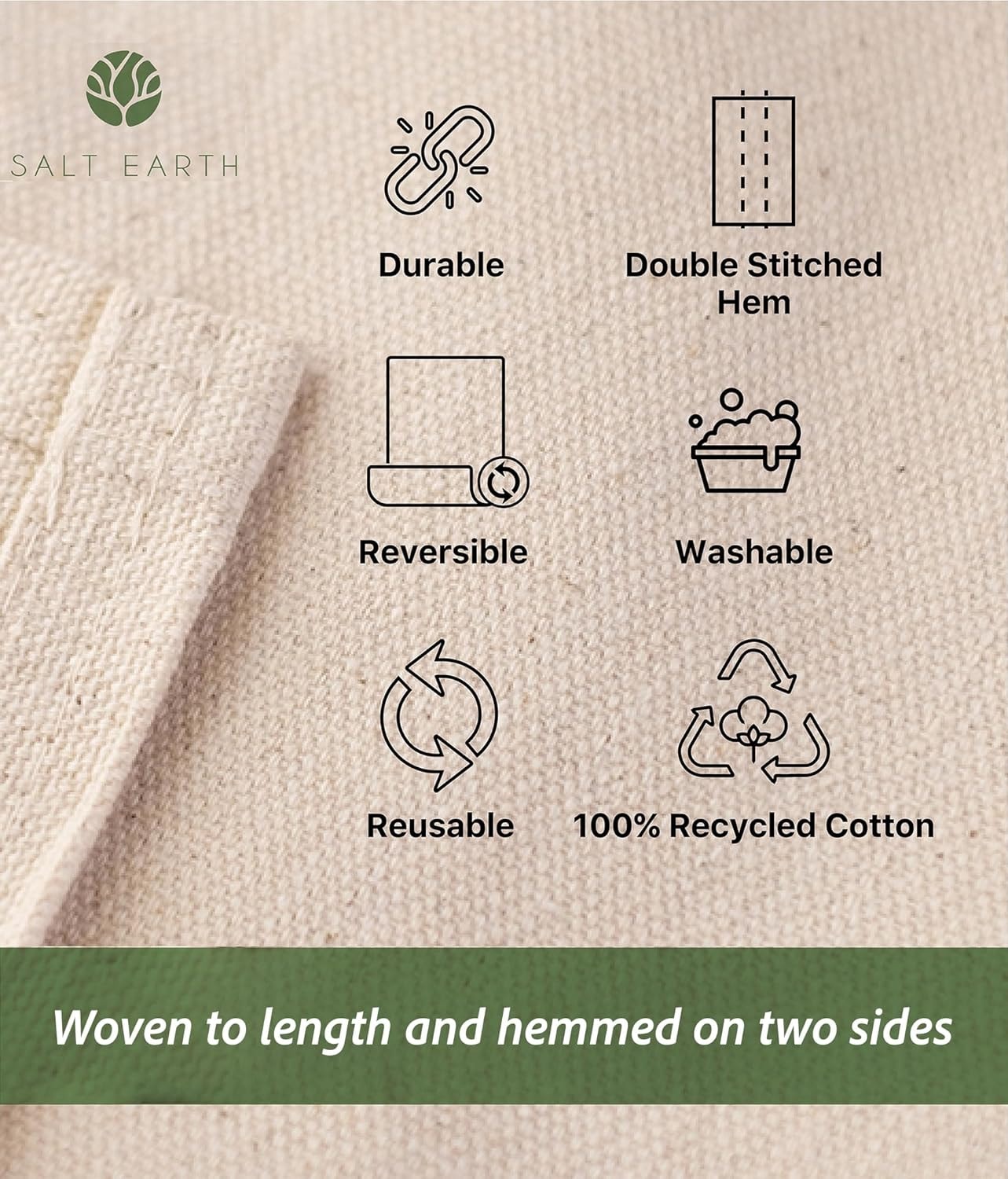
Salt Earth. 100% recycled cotton tarp
Use Cases: Plastic Free Tarps for Gardens, Farms, and Homesteads
Plastic tarps have become standard in many systems—no-till beds, animal housing, small farms—because they’re cheap and effective. But plastic-free alternatives can fill most of these roles with some adjustments to management practices.
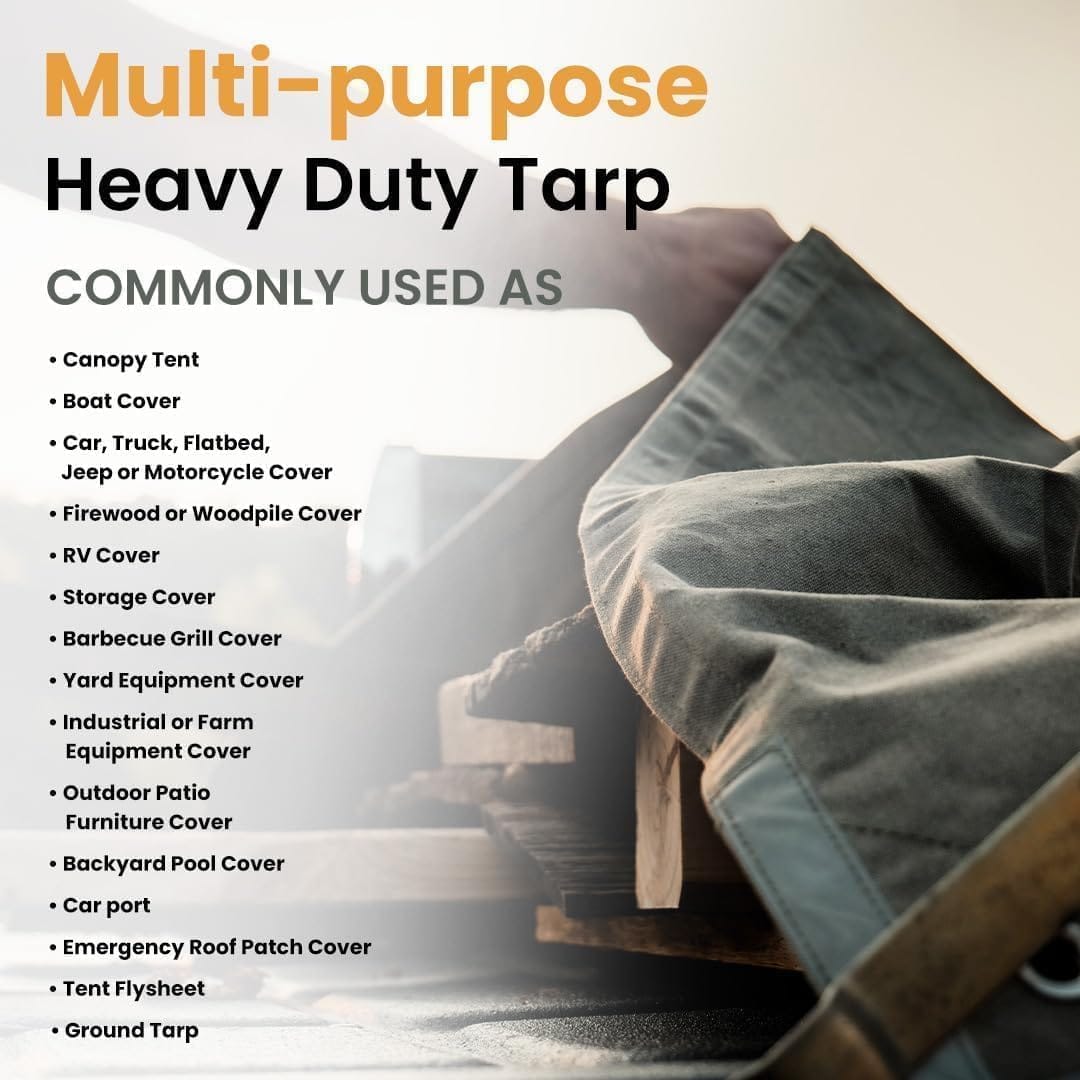
WHITEDUCK. 100% cotton canvas tarp
Here are specific scenarios where natural fiber tarps work well:
- No-till and low-till beds: Natural fiber tarps can substitute for plastic in short-term shading and frost protection. They’re less suited for long-term occultation in very wet climates where continuous waterproofing is essential, but work well for seasonal coverage and weed suppression during shoulder seasons.
- Animal housing and runs: Canvas tarps over chicken runs, goat shelters, or pig arcs eliminate the risk of birds ingesting plastic shreds or PFAS-laced runoff from deteriorating plastic roofing. Breathability also reduces condensation and improves air quality in enclosed spaces.
- Equipment and hay storage: Hemp or heavy cotton covers protect tractors, firewood, hay bales, and small machinery. The breathability of natural fabrics reduces rust on metal and mold on organic materials—a significant advantage over plastic.
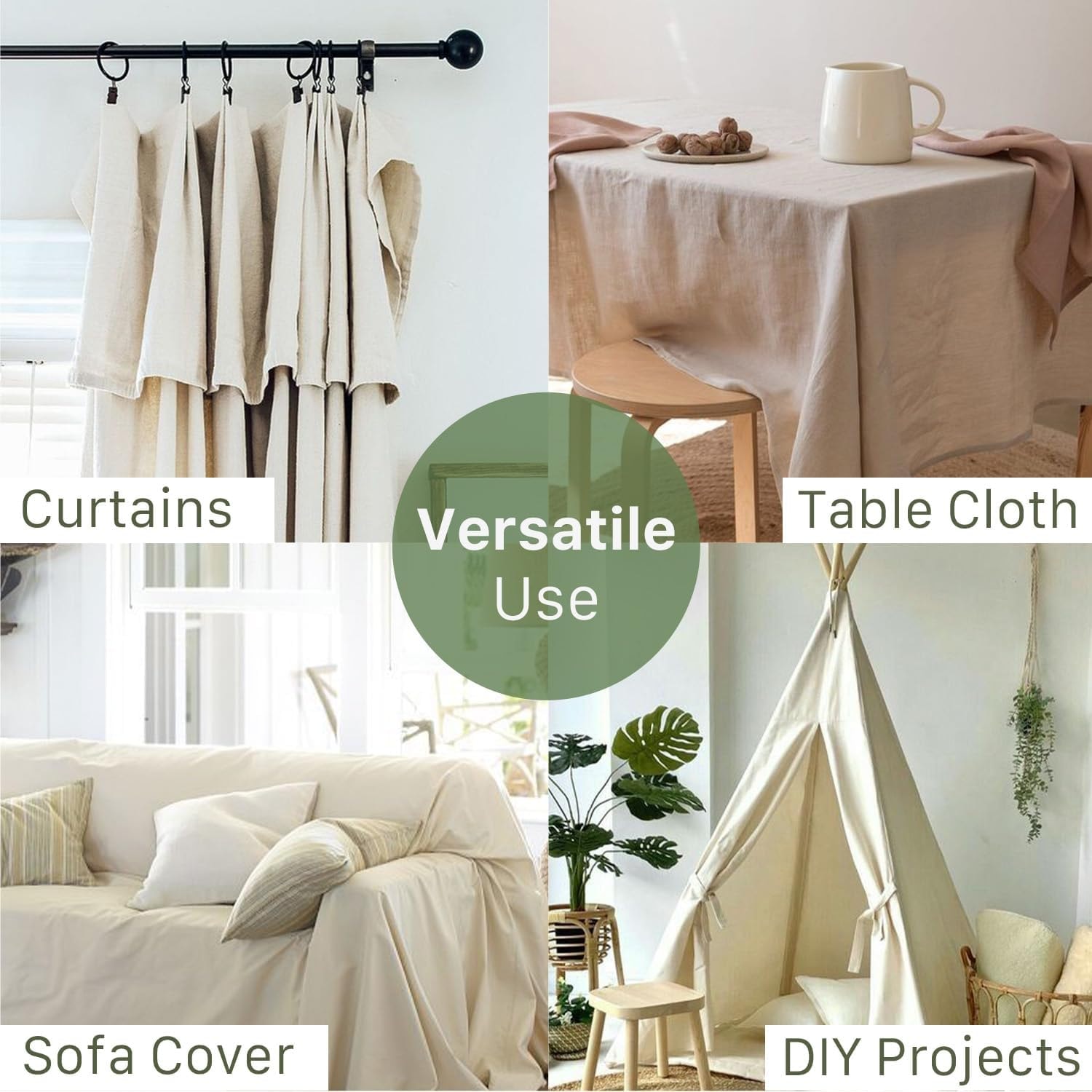
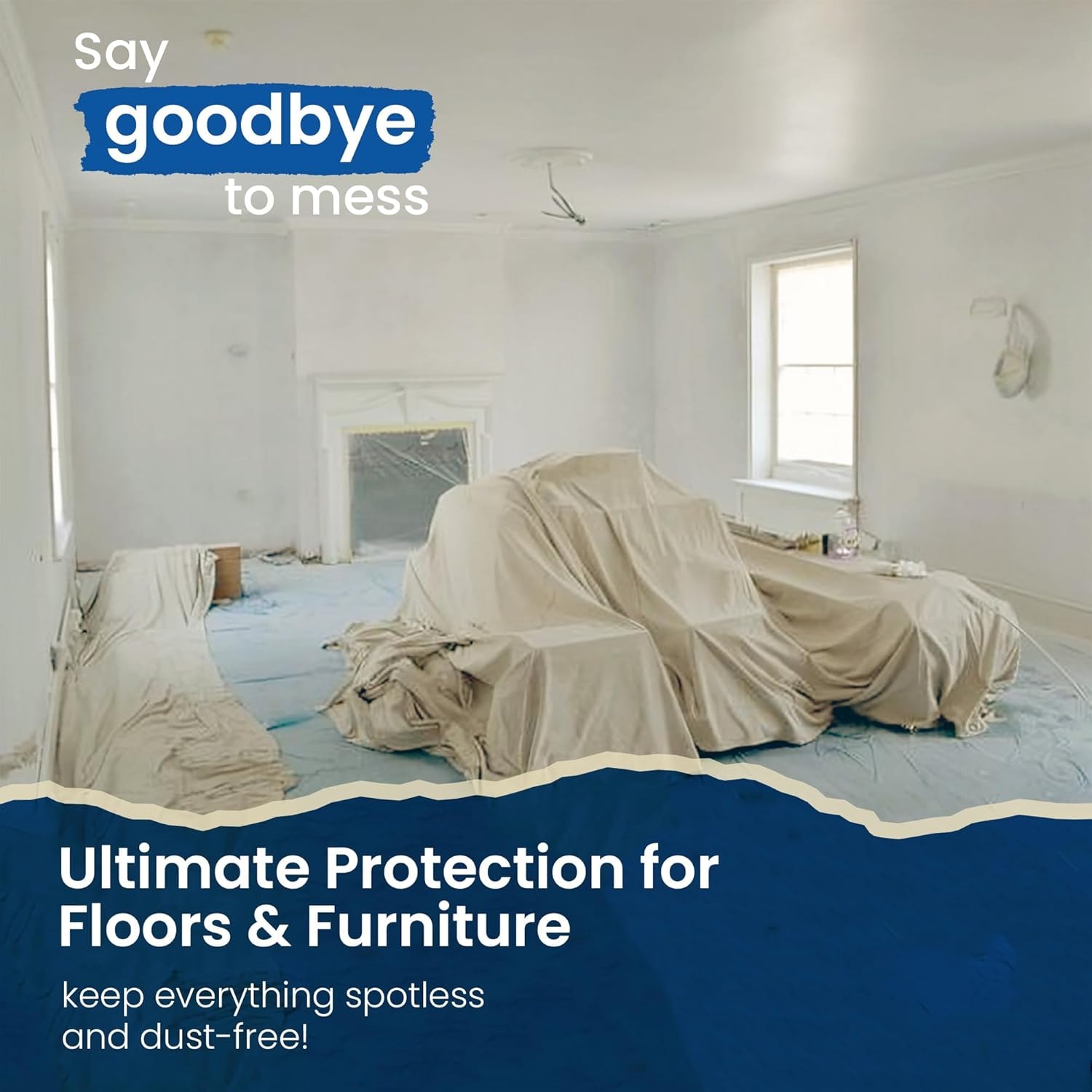
- Construction and renovation: Reusable canvas drop cloths and tarps replace disposable plastic sheeting for covering materials and protecting floors. One quality canvas tarp can outlast dozens of disposable plastic sheets while creating zero waste.
- Camping and backcountry use: Plastic-free shelter flies, shade sails, and gear covers serve users trying to minimize waste in remote areas. Weight is a consideration, but durability often compensates for the added ounces.
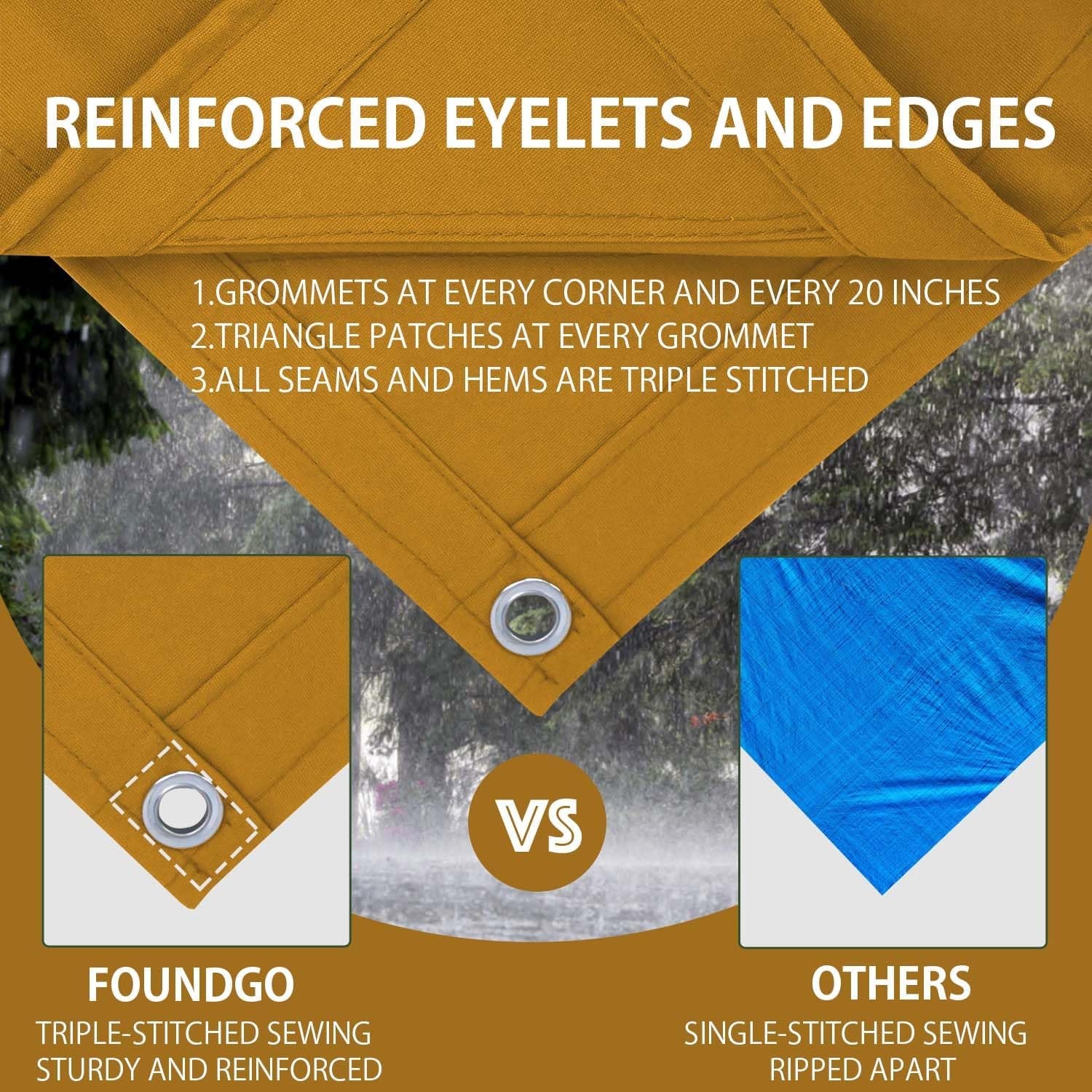
FoundGo Store. cotton canvas, water resistant, UV resistant, fluoro silicone coating
Seasonality matters in all these applications. A canvas tarp covering beds from October through March, or protecting animals through winter storms, may see four to six months of continuous outdoor exposure per year. Quality natural fiber tarps handle this kind of cyclical use for many seasons when properly maintained.
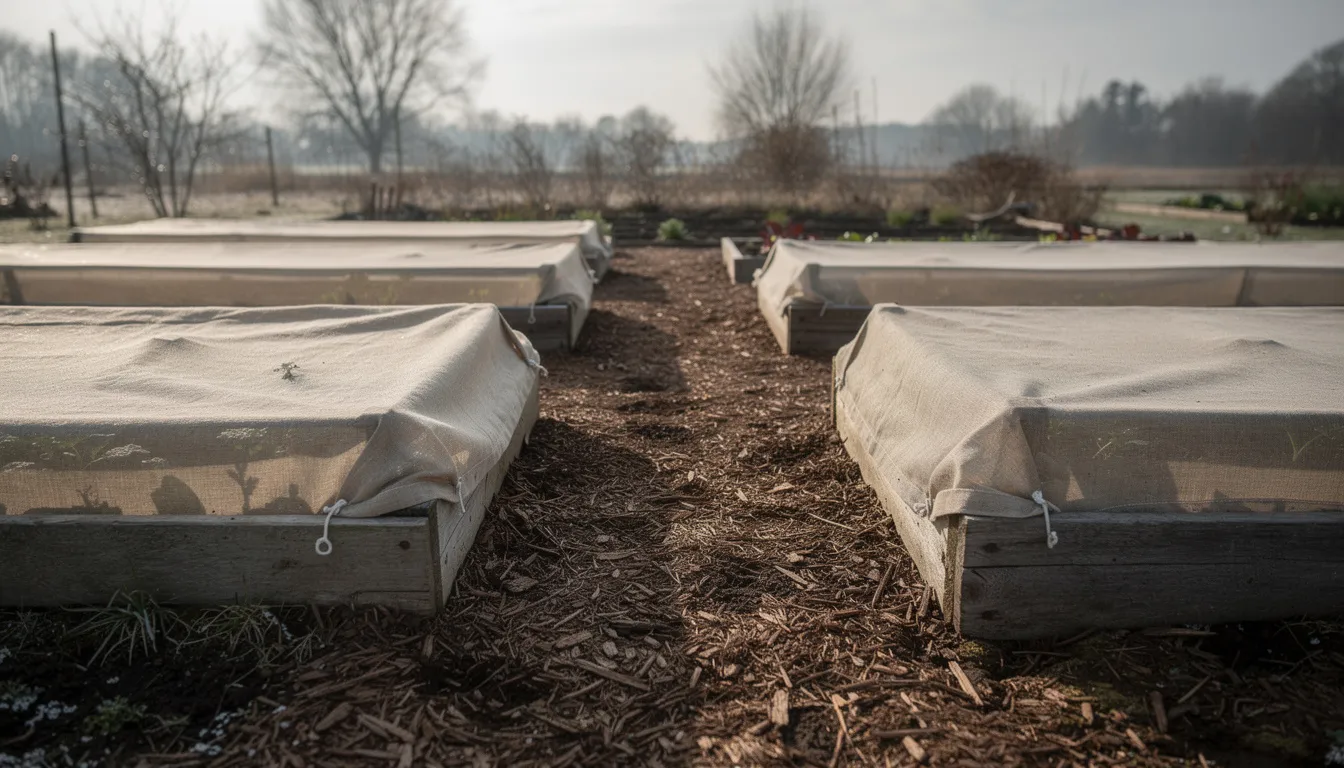
Plastic Free Approaches for No-Till Without Silage Tarps
Black plastic silage tarps have become increasingly popular in bio-intensive and market gardening since roughly the 2010s. They’re effective at terminating cover crops and suppressing weeds, but they’re still plastic. Here are strategies that accomplish similar goals without synthetic sheets:
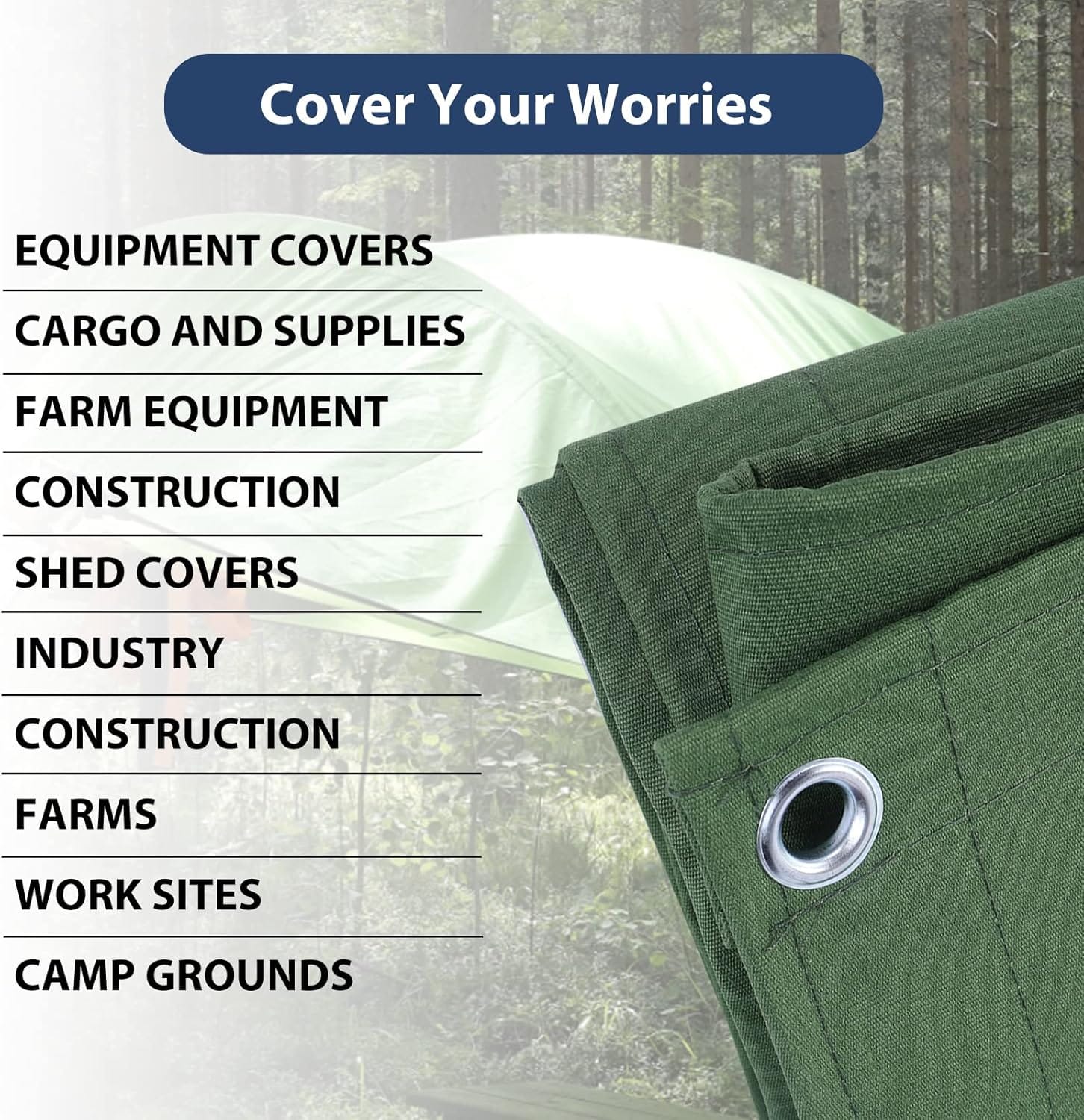
Ezcasch Store. silicone waterproofing
- Deep mulching: Wood chips, straw, or hay applied in thick layers (four to eight inches) suppress weeds and build soil over time. The key is using seed-free or well-composted material to avoid introducing weed explosions. Crop residue from previous plantings can supplement purchased mulch.
- Cover crop termination: Mow or roll young rye, clover, or buckwheat before seed set, then transplant directly into the residue. This method requires timing—terminate cover crops when they’ve produced biomass but before they set viable seed.
- Cardboard and paper layers: Heavy, uncoated cardboard or kraft paper smothers weeds effectively. Source food-grade, minimal-print materials where possible to avoid PFAS and inks. Cardboard breaks down within one season, adding organic matter to beds.
- Intensive compost applications: Adding two to four inches of finished compost on beds and wood chips in paths builds soil and suppresses weeds without plastic sheets. This approach accelerates the no-till transition by feeding soil biology.
- Managed tillage for new ground: A limited series of shallow tills combined with organic matter additions can reduce perennial weed pressure before transitioning fully to no-till. This is especially useful when dealing with aggressive weeds like bindweed or quackgrass.
Compared to these options, landscape fabric is another common weed control method. While it can be effective for suppressing weeds, landscape fabric is typically made from synthetic materials and does not break down like natural mulches or cardboard. Its environmental impact is similar to plastic tarps, making it less desirable for those seeking truly plastic-free solutions.
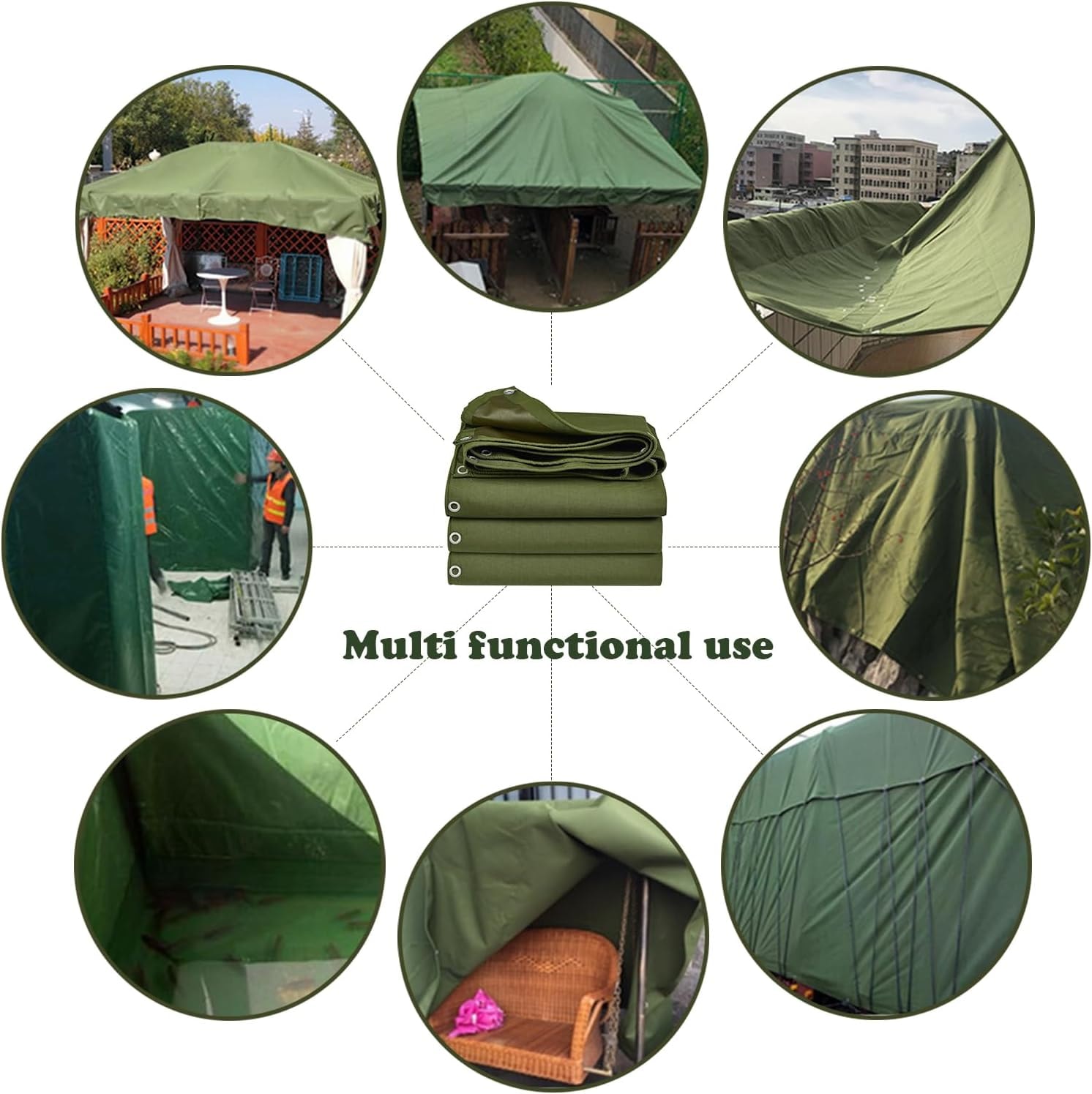
Rocutus Eco Friendly Tarp** made with organic, biodegradable materials, silicone coated**
These methods may require more labor or organic matter up front than simply throwing a silage tarp over a bed. But they avoid introducing more plastic into your soil system—and the weed pressure typically declines over multiple seasons as soil health improves and weed seed banks deplete.
Key Buying Criteria for a Truly Plastic Free Tarp
Not all “eco” or “green” tarps are plastic-free. Many products marketed as sustainable are simply recycled PE or PVC-free formulations that still contribute to microplastic pollution. Here’s what to look for on spec sheets and product pages:
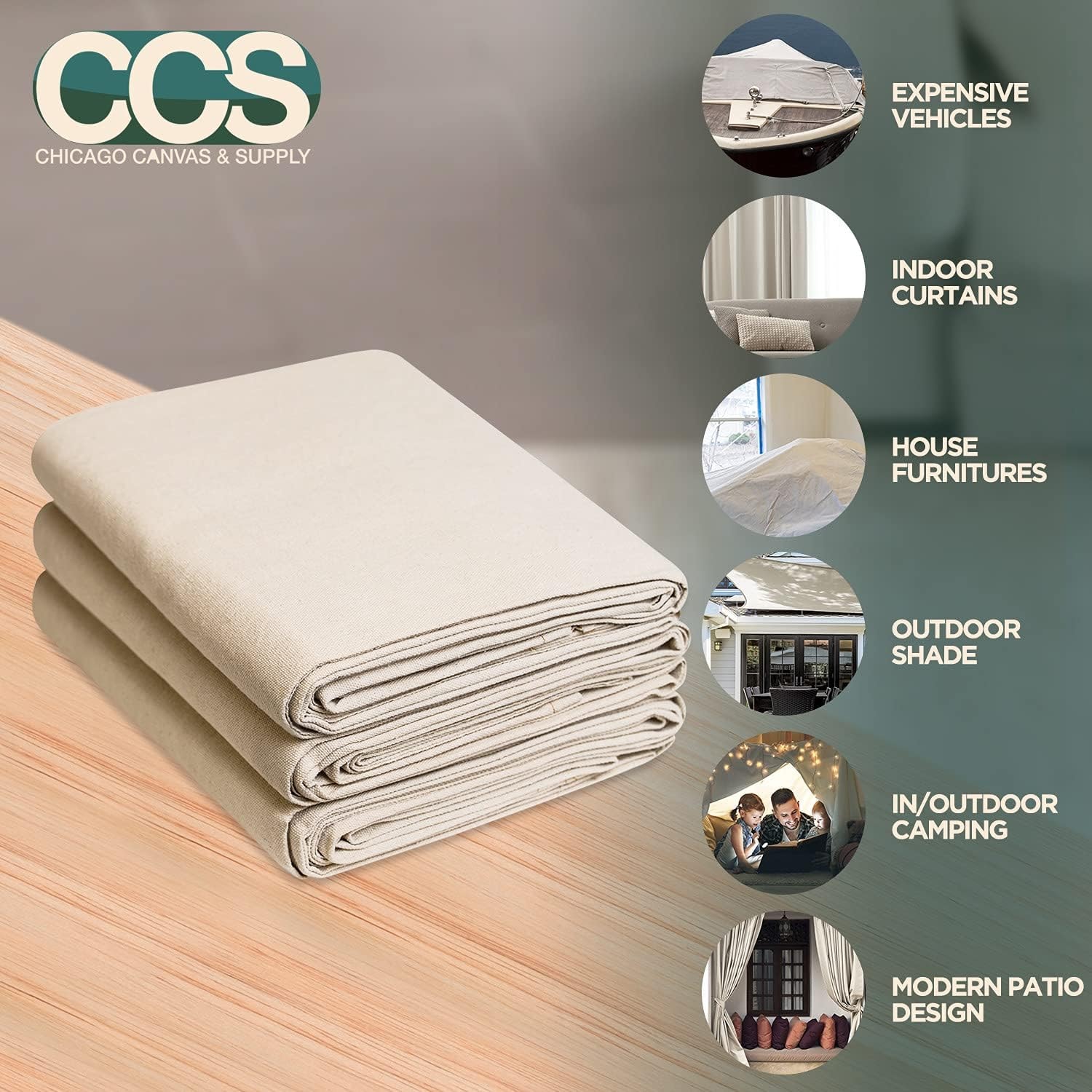
CCS Chicago Canvas & Supply. 100% uncoated cotton
- Material disclosure: Look for explicit statements like “100% hemp canvas,” “100% cotton canvas,” or “100% jute.” Avoid vague descriptions. If a product doesn’t clearly state what it’s made from, expect it contains materials the manufacturer doesn’t want to highlight.
- Hardware specifications: Prefer brass, stainless steel, or galvanized steel grommets. Wooden or metal toggles instead of plastic clips where possible. Hardware is a common place manufacturers cut costs with plastic components.
- Coatings and finishes: Seek detailed descriptions of waxes or waterproofing agents—beeswax, linseed-based blends, tung oil. Look for explicit “no PFAS, no PVC, no silicone” statements. If a product doesn’t specify what’s in the finish, assume it contains something problematic.
- Origin and manufacturing transparency: Products that disclose where fabric is woven and where the tarp is assembled (example: “woven in India, sewn in the U.S.”) generally indicate better accountability. This also helps assess labor standards and transport footprint.
- Repairability and spare parts: The ability to patch with simple sewing, replace grommets, or re-wax at home extends tarp life dramatically. Look for products designed for repair rather than replacement.
- Certifications when relevant: Third-party standards like organic fiber certifications or OEKO-TEX testing for chemical limits provide verification. These aren’t essential but add credibility to manufacturer claims.
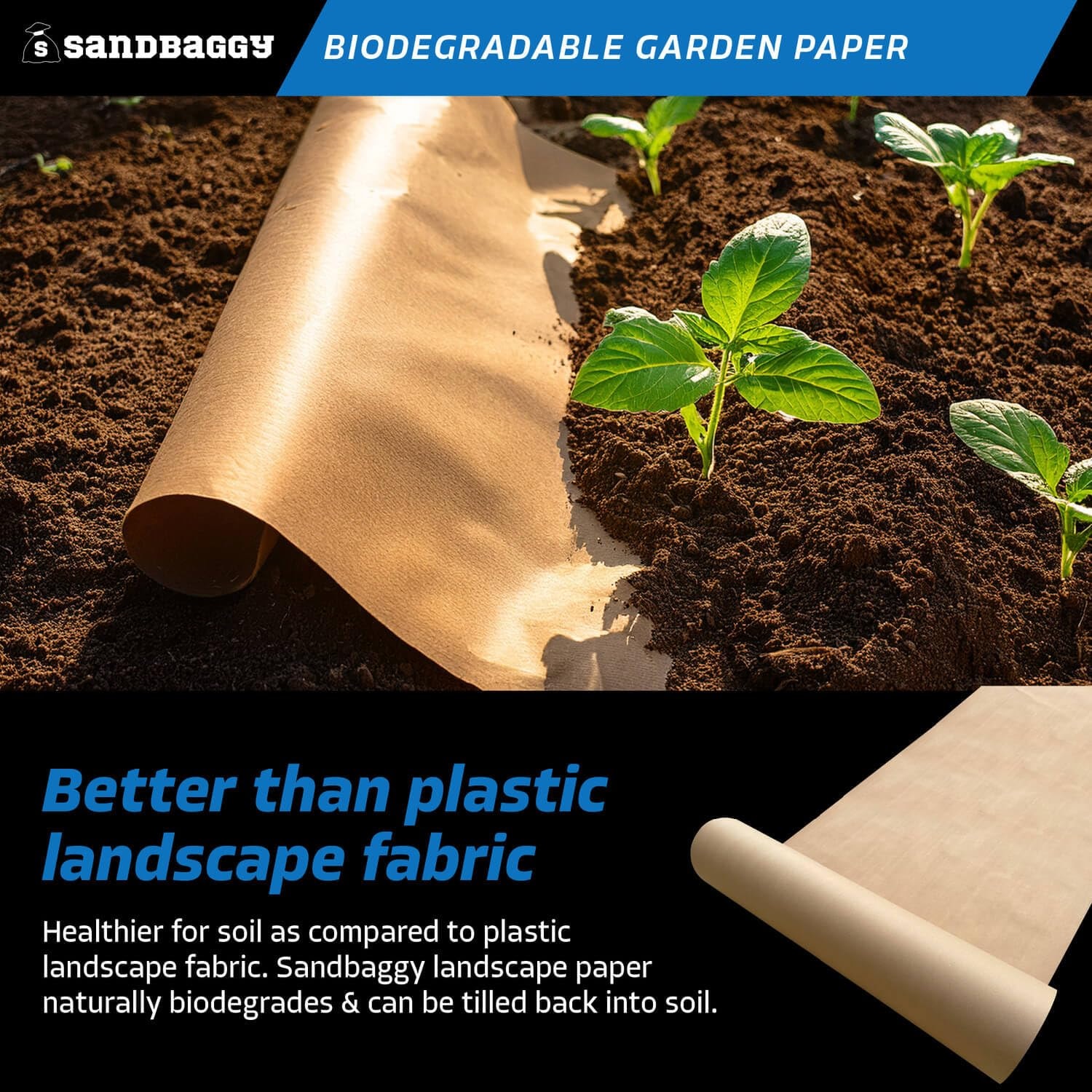
Sandbaggy Store. superior plastic free landscaping fabric
Consider screenshotting or printing this checklist before shopping. The difference between a truly plastic-free tarp and a greenwashed plastic product often comes down to these details.
Care, Maintenance, and End-of-Life for Plastic Free Tarps
Correct use and storage can easily double the lifespan of a natural fiber tarp. This makes quality natural tarps more economical than multiple cheap plastic replacements—but only if you maintain them properly.
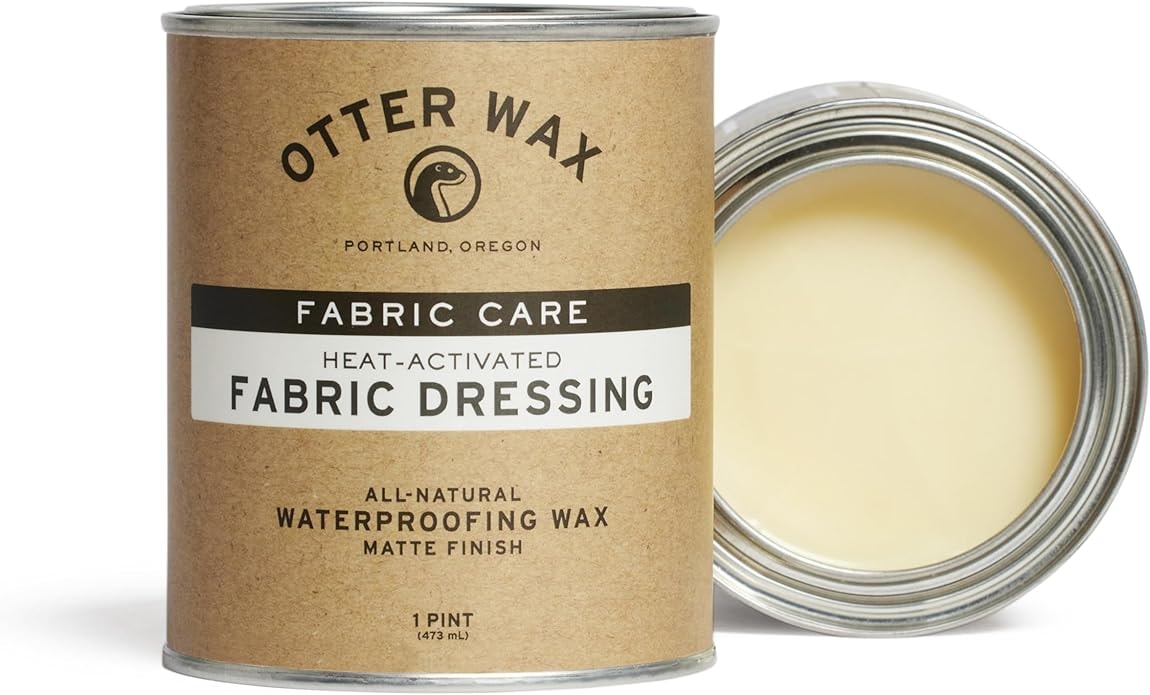
Otter Wax Store. natural wax for treatment for any oncoated canvas
- Cleaning: Use mild, biodegradable soaps and soft brushes. Avoid harsh solvents that strip waxes or damage fibers. Most dirt brushes off when dry; serious cleaning is rarely needed more than once per season.
- Drying and storage: Always dry tarps thoroughly before folding. Store in a cool, ventilated, rodent-resistant space—a labeled canvas bag on a shelf works well. Never store tarps on bare concrete, which wicks moisture and promotes mildew.
- Re-waxing and retreatment: Hemp and cotton tarps need periodic wax or oil-based treatments every one to three years depending on exposure. This is a simple process: warm the wax, apply with a brush or rag, and let it cure. The tarp performs better after each treatment.
- Repair: Stitch small tears immediately before they spread. Patch with matching fabric. Replace metal grommets when they loosen or corrode. A repaired tarp is still a functional tarp—don’t discard quality materials over minor damage.
- Repurposing: When a tarp is too worn for primary duty, cut it into smaller covers, garden kneeling pads, or frost cloth reinforcements. Natural fibers have many second-life uses.
- Composting or disposal: Untreated or naturally finished hemp, cotton, and jute canvases can be shredded and composted in many situations. Decomposition happens within one to two seasons under active composting conditions. Heavily treated fabrics may need specialized disposal—check what’s in the finish before composting.
Inspect tarps every spring and fall. A well-maintained hemp or cotton canvas tarp can realistically last five to ten years of seasonal outdoor use—dramatically longer than the one to three seasons you’d expect from low cost polyethylene tarps.
Conclusion: Transitioning Away from Plastic Tarps
Moving to plastic free tarps—especially hemp and cotton canvas—cuts microplastic pollution, avoids harmful chemicals like BPA and PFAS, and fits better with regenerative gardening and farming practices. The materials exist, the performance is proven, and the long-term economics favor durability over disposability.
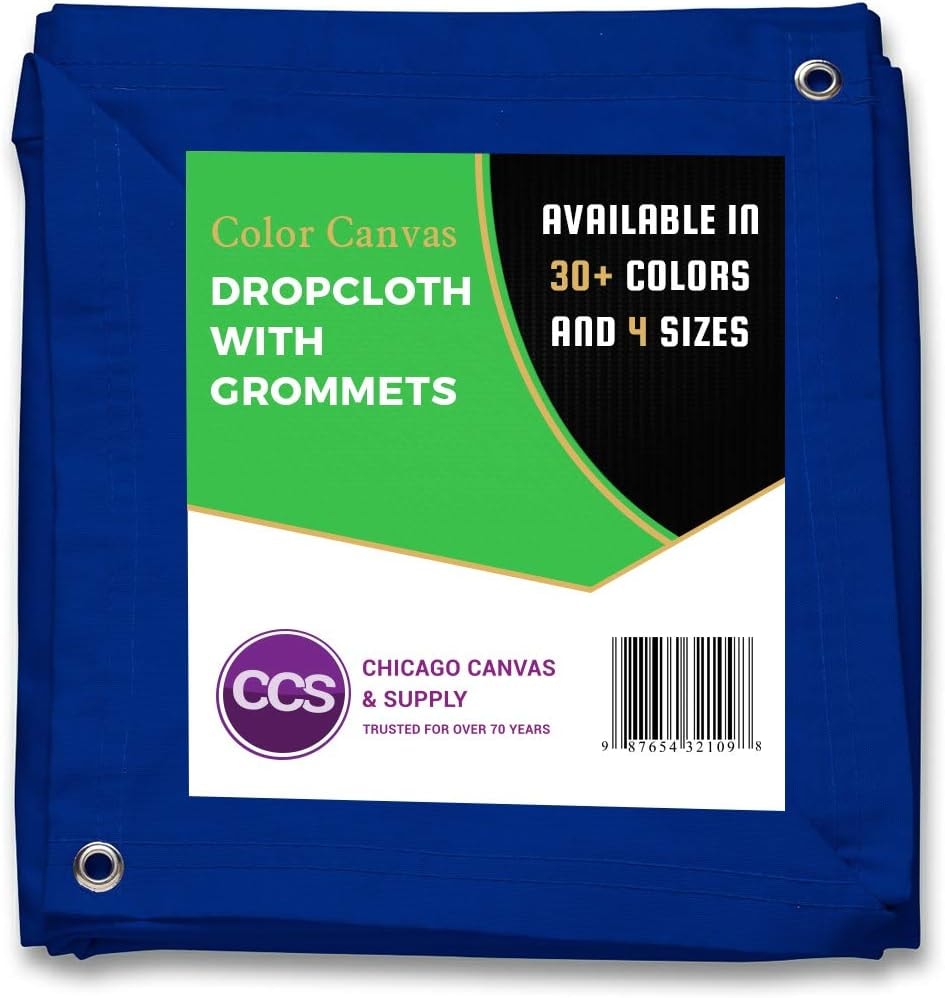
CCS Chicago Canvas $ Supply** all cotton, brand states water resistant because of a tight weave, no outer treatment**
- Start with your most damaged tarps. Replace the cracking, shredding plastic covers you’re already frustrated with rather than waiting for a perfect all-at-once switch. One quality tarp at a time makes the transition manageable.
- Pair plastic-free tarps with good land management. Cover crops, mulches, and compost reduce your dependence on tarps for weed control. Use tarps strategically rather than as a crutch.
- Track your results. Note how long your natural fiber tarps last versus previous plastic tarps. Many people find they’re spending less money over three to five years while generating zero waste—that research matters for future decisions.
- Demand better options. Consumer demand for plastic-free products pushes manufacturers to expand offerings, improve coatings, and invest in circular, repair-friendly designs. Your purchasing decisions shape what becomes available.
A truly plastic-free tarp strategy is achievable today with existing materials and thoughtful management—and each step away from plastic sheeting measurably reduces pollution on your specific piece of ground.
To support long-term farm success, connect with other growers to share your experiences and learn from their journeys with plastic free tarps. Post your results, tips, or questions on community forums or online platforms to help foster discussion and support within the farming and gardening community.


FAQs
How long do plastic tarps last before they start shedding microplastics?
Questions often focus on lifespan (e.g., 5–7 years for many silage tarps) and when degradation accelerates, especially with UV exposure or thin/perforated materials that break down faster.
Is it safe to use plastic tarps in gardens, farms, or for covering compost/soil?
Gardeners and permaculture enthusiasts frequently worry about long-term soil contamination, potential uptake into plants/crops, and effects on soil health (e.g., microbiota disruption, reduced aeration, or root damage).
Do microplastics from tarps get into food/plants or affect human health?
Concerns include whether fragments leach into edible crops (e.g., via root uptake or soil accumulation), enter the food chain, or pose risks like chemical additives (phthalates) migrating into produce.
How bad is the contribution of tarps compared to other plastic sources?
Some compare tarps to broader sources (e.g., mulch films, greenhouse covers, or general agricultural plastics), asking if tarps are a major contributor to terrestrial microplastic buildup or if other factors (like tire wear or textiles) dominate.
What happens if tarps shred or degrade in place?
Practical worries include shredded pieces becoming impossible to fully remove, leading to persistent microplastic residues, or tarps leaching toxins under heat/sunlight.
For more information:
Curran Hughes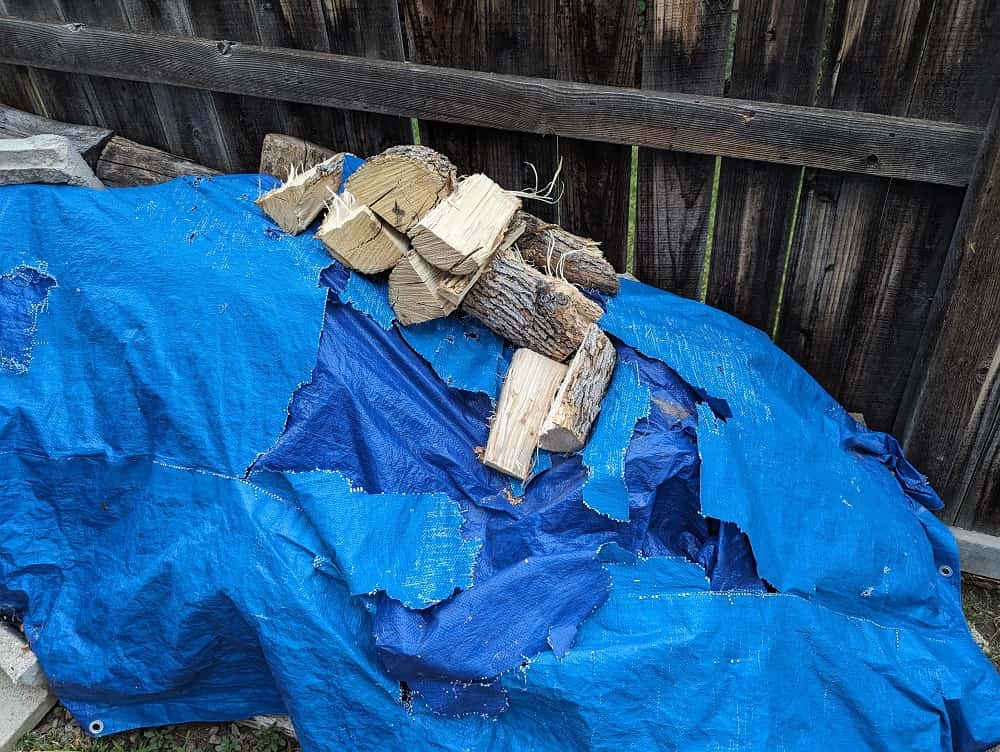
 Stephanie Dutchen
https://magazine.publichealth.jhu.edu/2024/microplastics-scourge
https://arjuntarps.com/the-environmental-impact-of-tarpaulins-are-they-eco-friendly/
https://www.weforum.org/stories/2025/02/how-microplastics-get-into-the-food-chain/